
Thomas Schrenk — In the Studio Between East and West
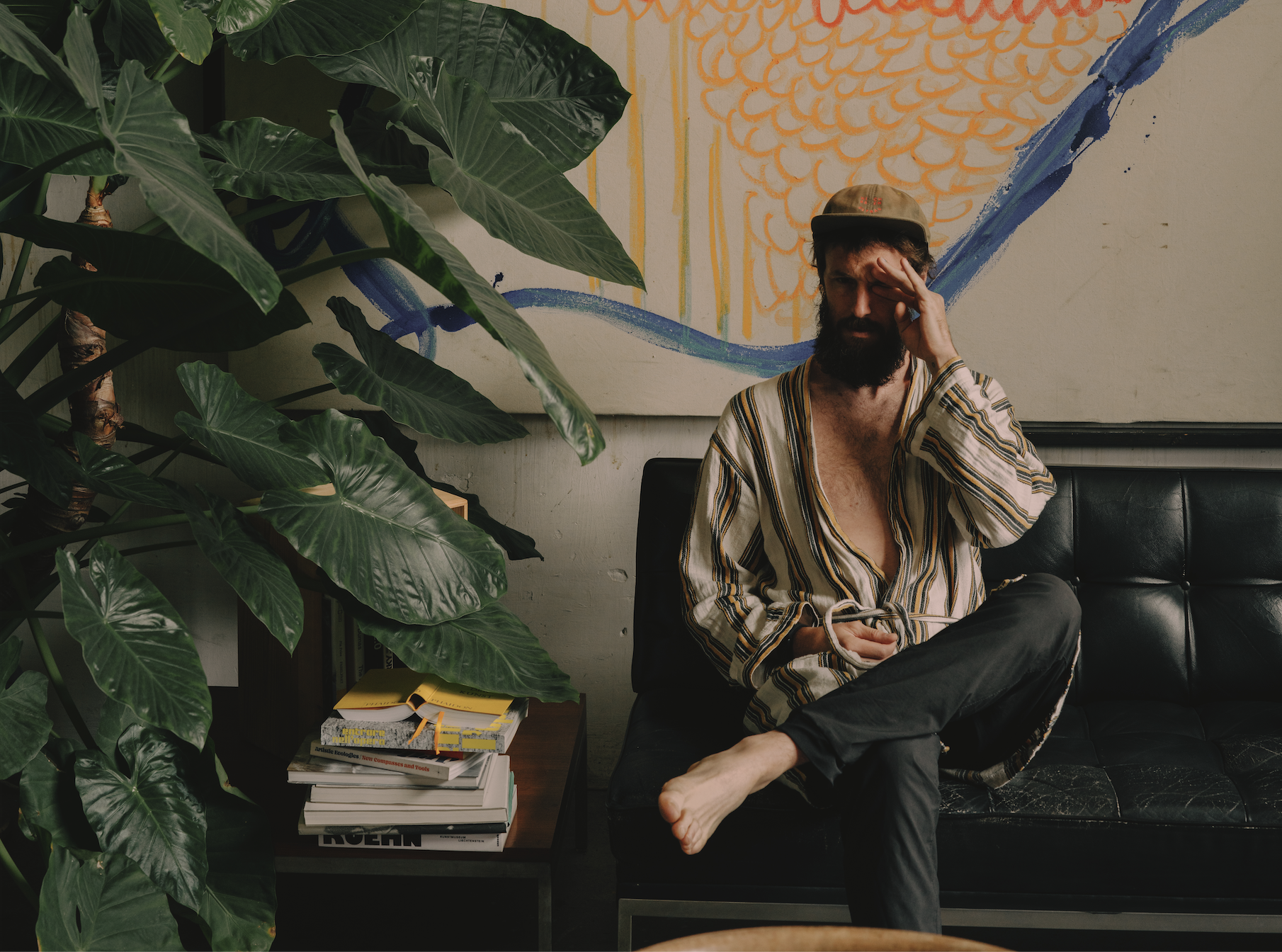
In a historic painter’s studio in Vienna, built in 1908, artist Thomas Schrenk moves between past and present, structure and chance. His life stretches across Austria — from Vienna in the east to Vorarlberg in the west — where a former residency became a second home and led to curatorial work at Hotel Hirschen Schwarzenberg.
Balancing painting with projects, partnerships, and travel, his days revolve around protecting the creative core. Between East and West, his practice is rooted in attention — transforming what he sees into something quietly enduring.
To begin simply — where are you right now, and what does an ordinary day look like for you at the moment?
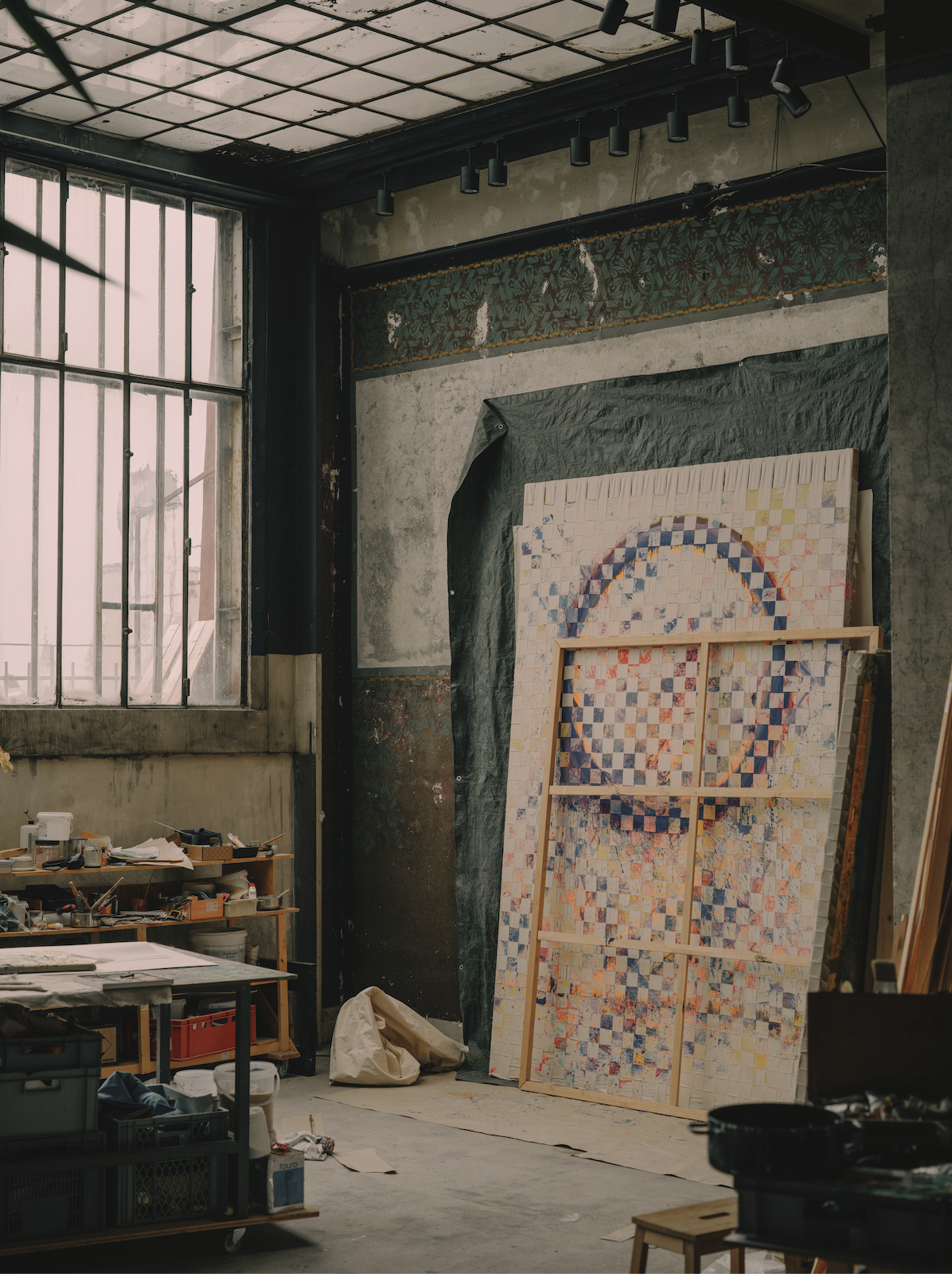
Am I still in Vienna? Yes. My studio is here — built specifically for a painter in 1908. It’s rich in history, occasionally challenging, but ultimately a remarkable pleasure to work in. Over the years, I’ve worked in many incredible places — old hotels, factories, ballrooms — but this is one of the best studios I have ever seen.'
That said, I split my time between the west and east of Austria. It’s about a seven-hour train ride between Vorarlberg in the west and Vienna in the east. What began as a residency has become a second home in Vorarlberg. I run several projects there and serve as curator for the art collection at Hotel Hirschen Schwarzenberg, alongside other collections currently taking shape.
My days? First, I try to survive. Second, I try to make sense of things. Third, I try to paint. Fourth, I try to have some fun — not necessarily in that order. In reality, it means struggling for structure while managing a business, employees, and partners, all while trying not to lose track of the creative core.
Can you tell us a bit about your journey as an artist?
For reasons I can’t fully explain, I wanted to become a painter from the very beginning. Where I come from, there simply was no art. No role models. No sense that this could be a life. And yet, my love for painting has never loosened its grip on me.
When I moved to Vienna, I deliberately crash-landed into the cliché of the young artist’s life and played that role for a while. I decided I would only paint — and be loud about it. Surprisingly, it worked. I was able to make a modest living fairly quickly, but it always felt like a live-or-die commitment.
I truly became a professional when I stopped performing the role of the artist. I isolated myself for six months in an empty hotel in the Czech Republic to be alone with my work. Looking back, knowing what I know now about anxiety and loneliness, I don’t think I could do it again. But at the time, I needed to prove a certain dedication. I returned changed — and I’ve kept changing since.
Today, my creative output extends into other fields. I’m currently designing an apartment and have just launched a magazine — both new and unbelievably exciting. But at the core, it’s always about transforming what I see.
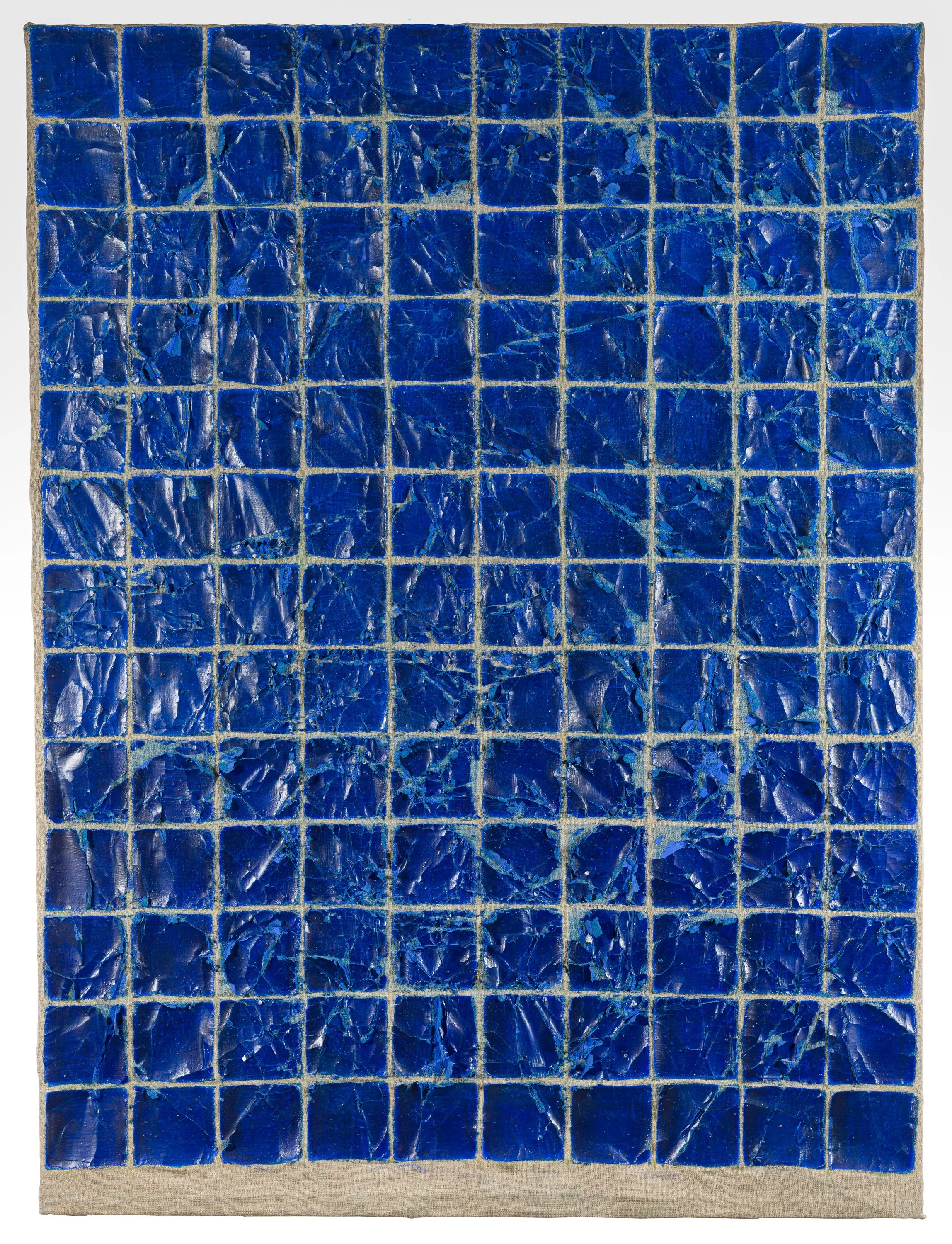
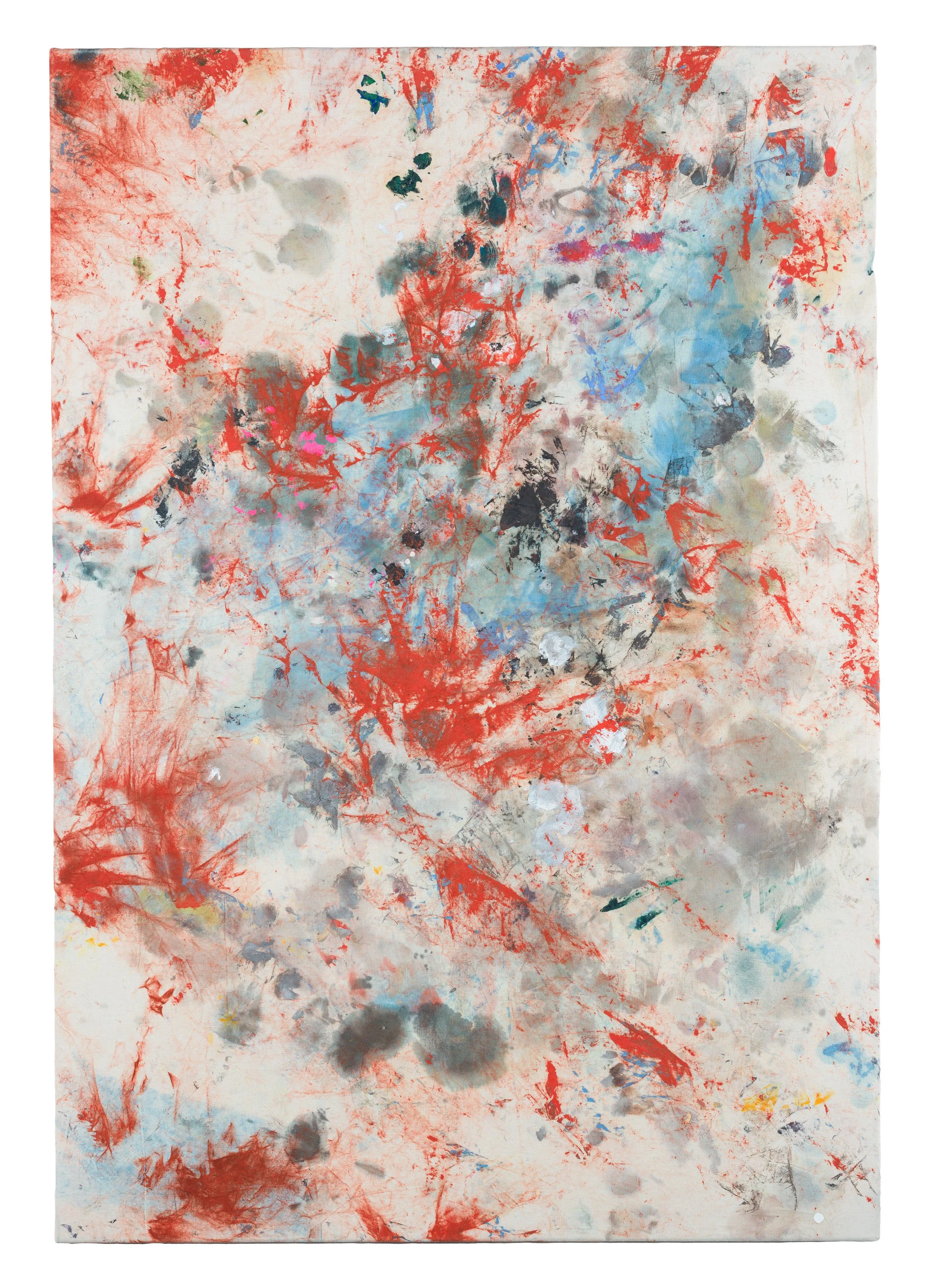
Your work feels very calm and intentional. How would you describe your philosophy in your own words?
Actually, it’s often the opposite. Calmness is something I look for, but my work isn’t always intentional — quite the contrary. I try to create systems that allow chance to become the star of the show.
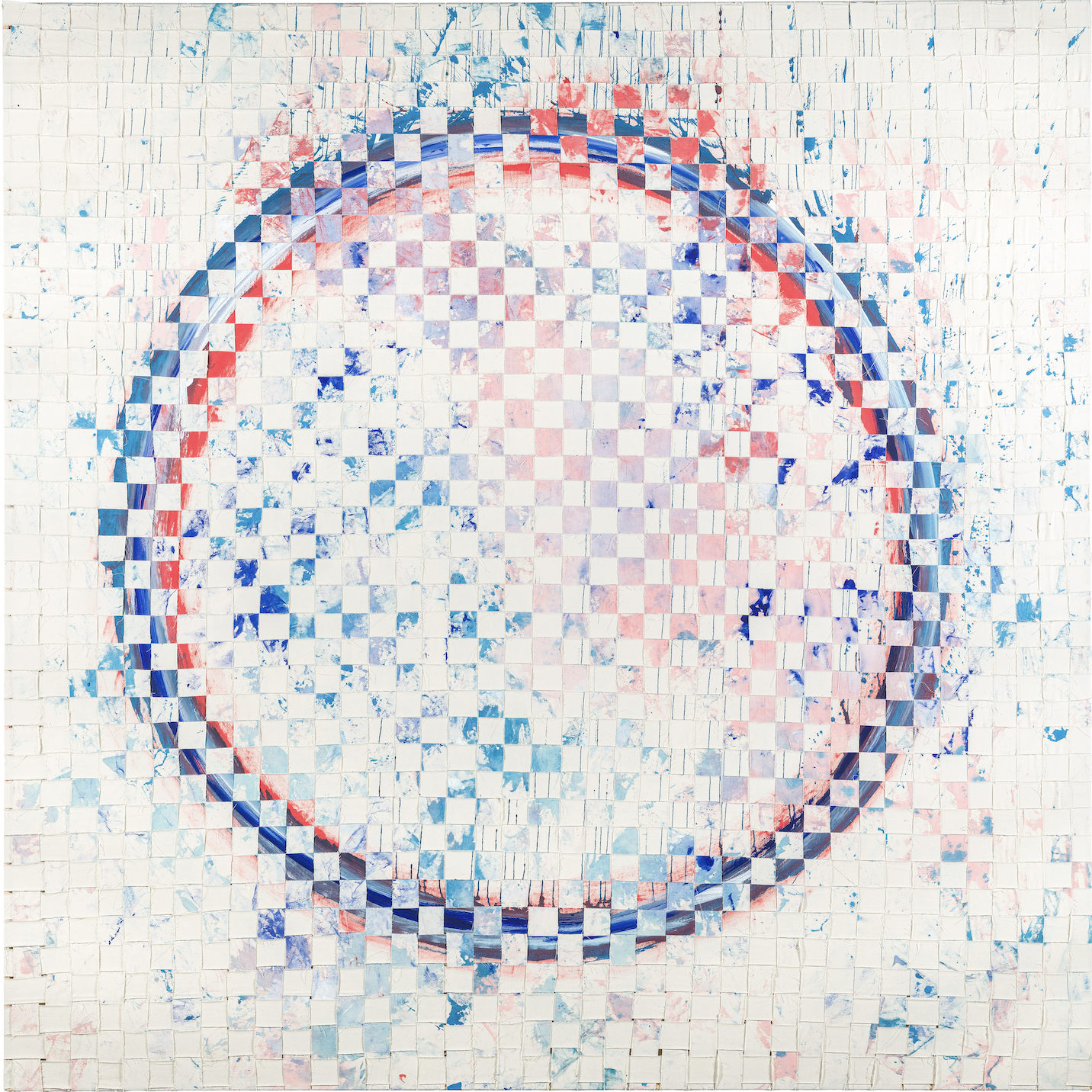
A process becomes a “found system” once I can define a set of rules that produce endless variations — similar yet entirely unique works — while still discovering something aesthetically new within the series.
You’re based in Vienna — is this where you grew up? How has the city shaped you?
I came to Vienna at around twenty. I grew up in working-class, rural Austria — and I can’t say I miss it.
Vienna is beautiful, cultured, and resistant to change. There’s a saying that whatever happens in the world arrives in Vienna at least ten years later. In the internet age that’s less true, but emotionally it still feels accurate. The city consistently ranks among those with the highest quality of life, and you feel that comfort. But comfort doesn’t necessarily foster transformation.
Are there particular places in Vienna you return to?
I walk a lot — through my neighborhood and the city. I return to cafés where nothing much happens. Places that allow repetition and anonymity.
My favorite is Alte Bäckerei on Burggasse. For lunch with my assistant, we often go to Mamamon. For dinner, usually Bruder or Azzurro.
And of course, the Kunsthistorisches Museum. Sometimes I go there just to see a single painting I feel drawn to that day.
How does travel influence your work?
I’m a painter. I’m in the seeing business. Everyday life flattens perception. After a few weeks in one place, I stop truly seeing.
Walking through cities like Paris, Berlin, Rome, or Amsterdam refreshes that perception. I mostly just walk — observing small differences.
What does “slow living” mean to you?
It means taking power away from what one should do and listening to what one actually wants to do.
For example, I could constantly open my studio to the public. Instead, I host four gatherings a year — on the solstices and equinoxes. On December 21st, while everyone is busy with Christmas events, I invite people to raise a glass to the fact that from tomorrow onward, the days grow longer.
Slow living is about responsibility toward time, materials, and attention. Not reacting immediately. Not producing constantly. Accepting limits. It’s not withdrawal — it’s precision.
How do you cultivate presence in daily life?
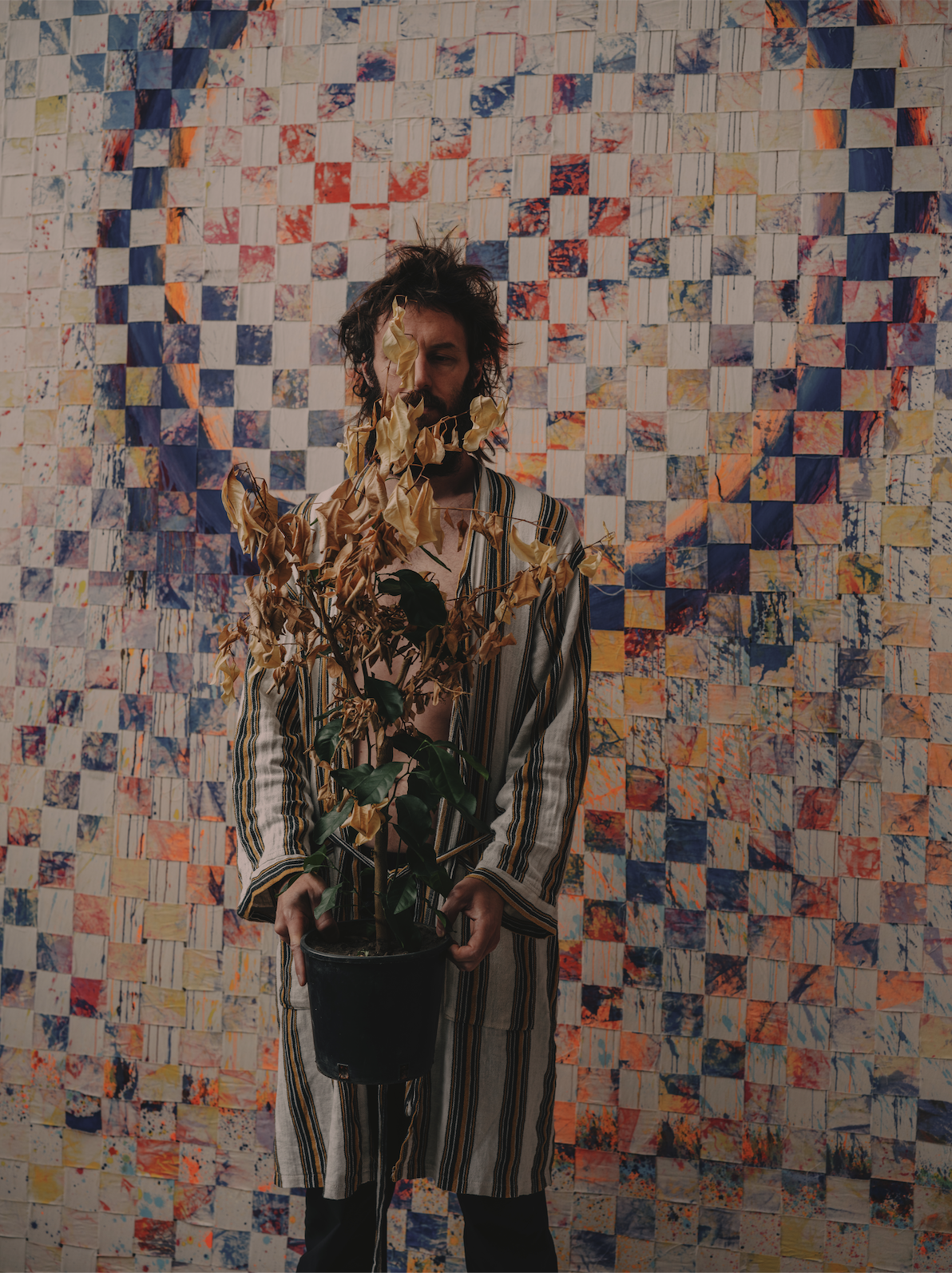
Cooking is essential. Preparing meals for friends and collectors creates calm. Meditation has been important for years. So has living with plants — observing another form of life.
My studio itself reflects that philosophy. It’s about care and giving.
What does sustainability look like in your practice?
For me, sustainability is material honesty. I reuse almost everything — leftovers, failed works, production residue.
In my “Abstract Rags” series, paintings consist exclusively of paint that would otherwise be discarded. My Trash Vessels are sculptures made from production waste taped into vase-like forms — time capsules of specific working phases.
Sustainability isn’t a theme; it’s a condition. Over time, I unintentionally built a zero-waste studio.
Are there techniques you feel especially drawn to?
I develop my own techniques over long periods — constructive–destructive processes in my Tiles works, wax surfaces that resemble skin, weaving as densification.
It often starts with “I can’t do this” and quickly becomes “Why can’t I?” The continuity in my work lies less in style and more in questioning what painting can be — and what it means to live with it.
Where do you turn when you feel stuck?
Often outside art: walking, architecture, music, theatre, design, conversations. I’m less interested in how other painters struggle — I already know that battle.
Sometimes the best solution is not seeking inspiration at all: cleaning the studio, going for a run, watching a film. Or simply being in the studio — it almost demands that you paint.
Is there a project that feels particularly meaningful?
I recently started a magazine. What began as a newsletter turned into a quarterly print publication in German and Korean.
It raised deeper questions: What does it mean to publish about oneself? How can it avoid narcissism? What is a contemporary, self-critical, honest form of expression?
It’s a collectible — 150 copies sold via my website, 150 sent to South Korea. Why not?
How has your definition of home evolved?
I’ve struggled with a sense of homelessness for years. I often tried to locate home in other people — which can place unfair burdens on love.
Today, home feels closer to being accepted as I am. That feeling can occur in different places. You have to learn to accept it when it appears.
Looking ahead, what are you curious about?
Creatively, I’m returning to figurative painting with a new system that translates what I see into images while fully embracing painting as a medium.
Personally, I’m interested in reducing complexity. The last years have been intense. I want to protect my creative focus while expanding my private life in relation to work.
Finally — what does the world need more of right now?
I don’t believe in simple answers. But perhaps attention — not visibility or speed, but attention. The ability to stay with complexity and the willingness to sacrifice for a better outcome.
