
Malales Martinez Canut: Rebuilding with Soul
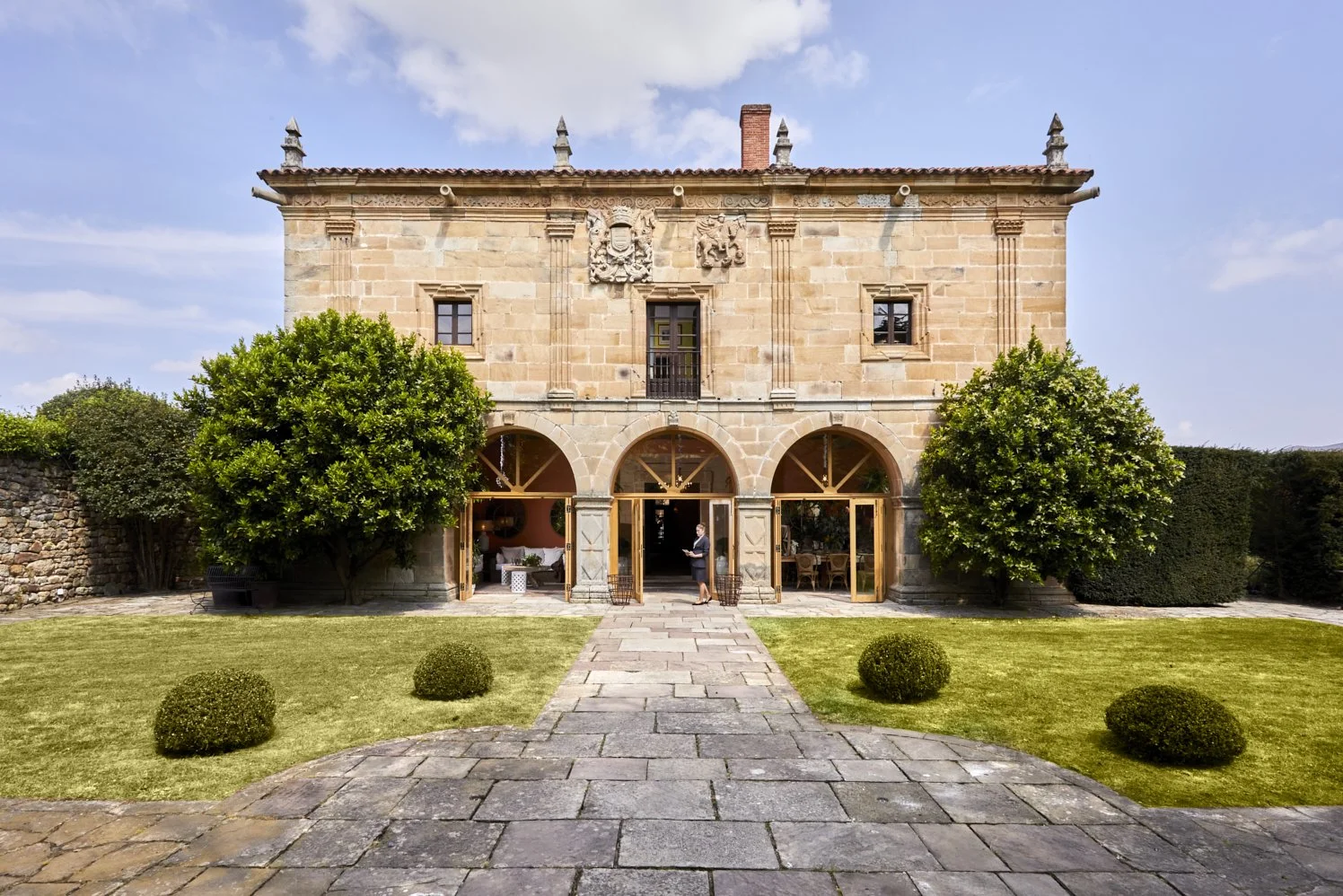
PALACIO HELGUERA BOUTIQUE & ANTIQUE, CANTABRIA, SPAIN
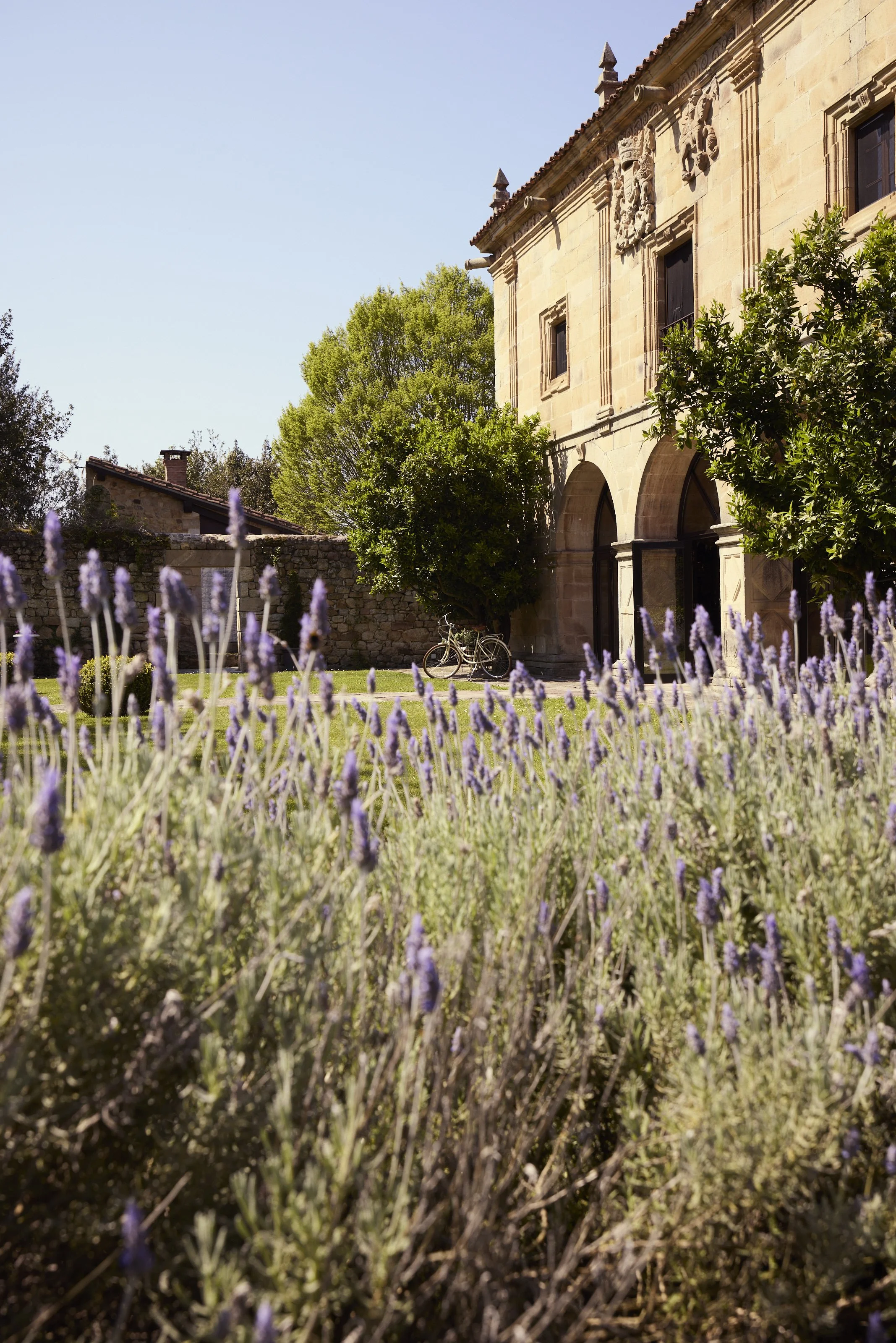
Tucked between the rolling green valleys of Cantabria, Palacio Helguera Boutique & Antique feels less like a hotel and more like a memory rediscovered. Its founder, hotelier and designer Malales Martinez Canut, first encountered the 18th-century palace with a sense of quiet astonishment, an intuition that the walls were holding stories, waiting to be heard. Built by the Count Santa Ana de las Torres during the Rococo flourish of the Enlightenment, the building carried within it a layered European past: English inflections, French ornamentation, the patina of artisans’ hands.
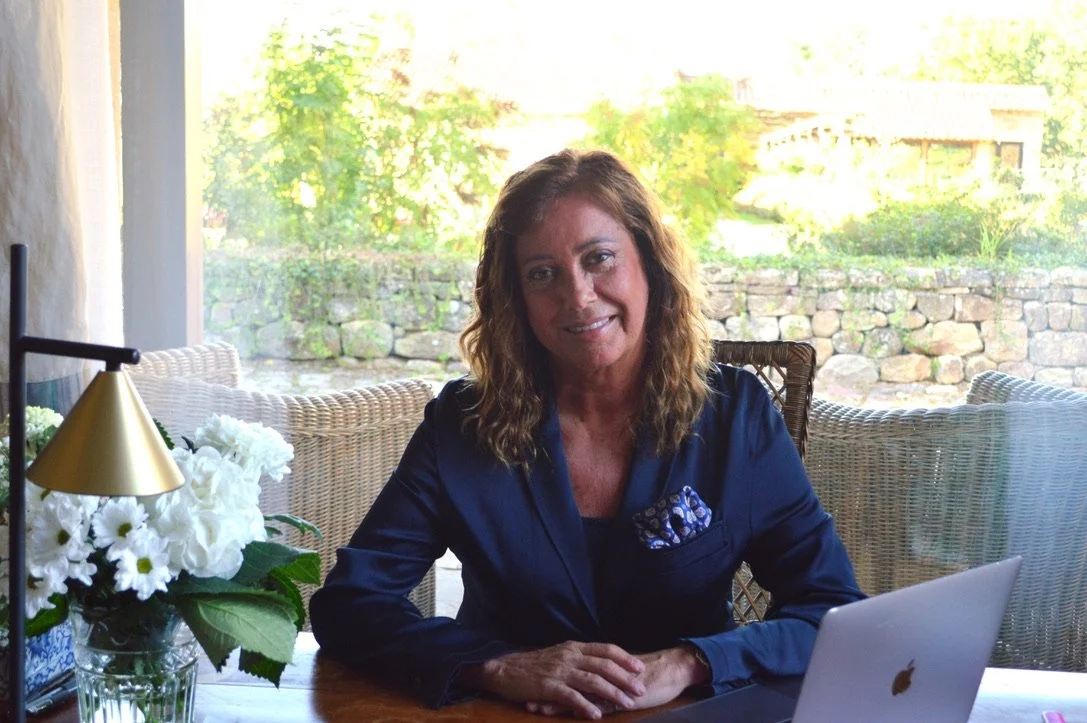
Where others might have seen decay, Canut saw tenderness: cracked stone, softened wood, and timeworn glass as gestures of beauty rather than flaws. With a sensibility shaped by years designing luminous island retreats, she approached the restoration not as a return to grandeur, but as a return to soul. The result is a place where order and emotion coexist, where tranquillity feels earned, and where every suite whispers of history, care, and the quiet radical act of doing things with love.
Every space begins with a feeling. What emotion first drew you to Palacio Helguera — and how did you know it was a place worth restoring?
My first reaction was surprise, and I thought: how many things would this building tell if it could talk? I was drawn to the idea of discovering those hidden secrets.
Your background as both designer and owner gives you a rare, holistic perspective. How do you balance creative intuition with the practical demands of running a hospitality space?
During my years of experience designing hotels, I learned that for a hotel to be productive, it's essential that its operations be well-organized.
This doesn't limit creativity in any way. For me, order, even if it's a bit chaotic, is essential to providing harmony to the whole.
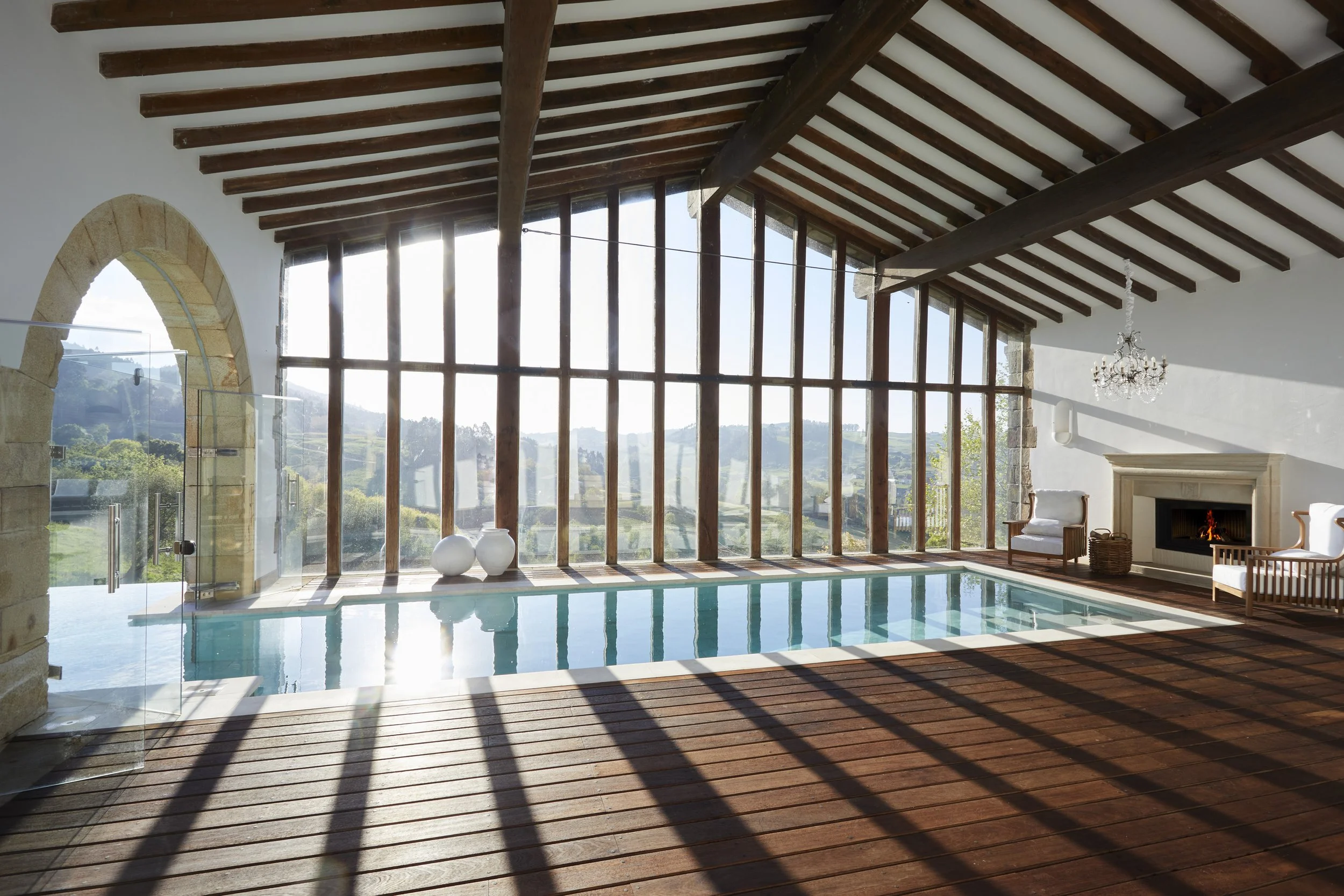
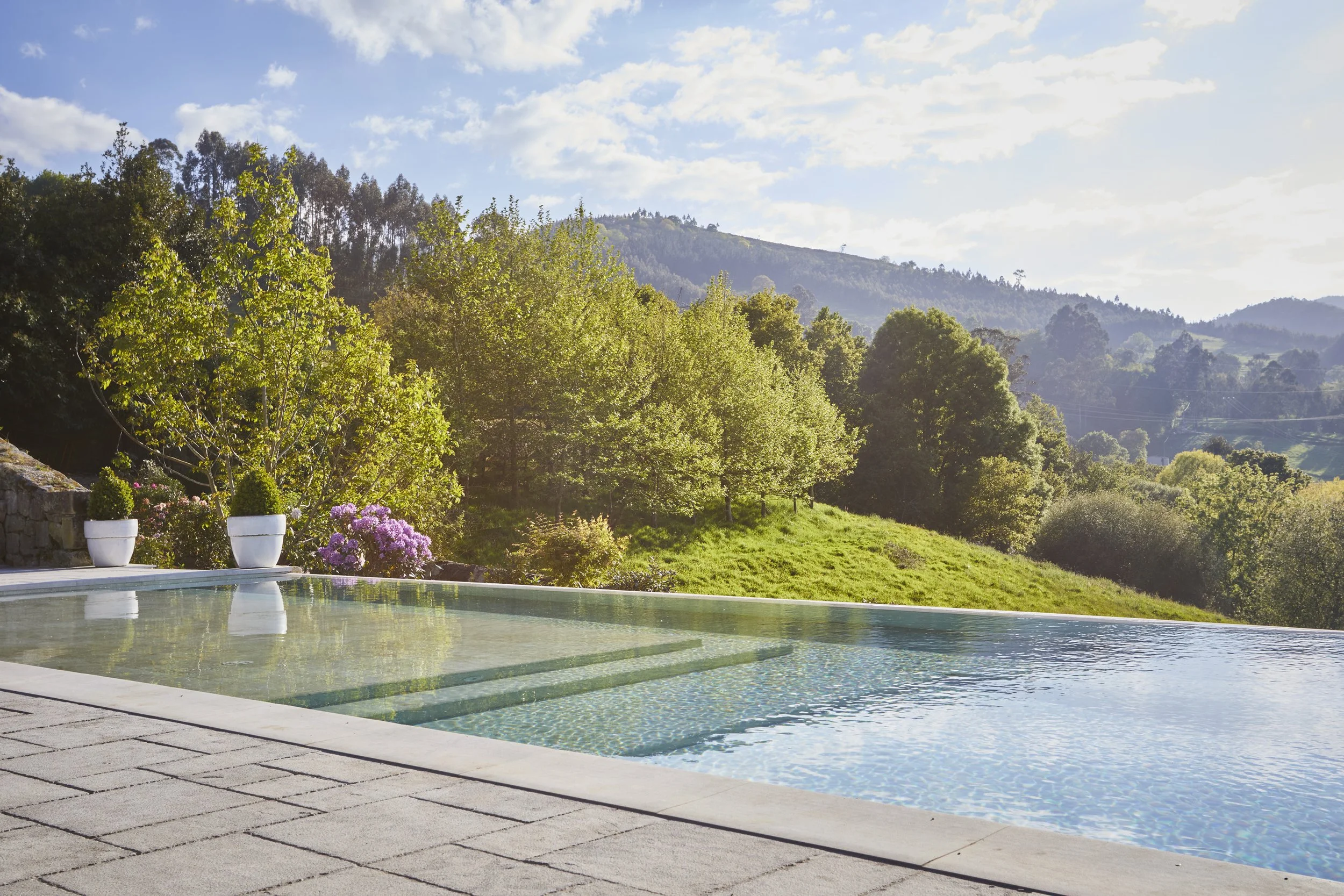
Each suite tells its own quiet story. How did you approach curating antiques, art, and design elements so that they coexist in harmony rather than compete for attention?
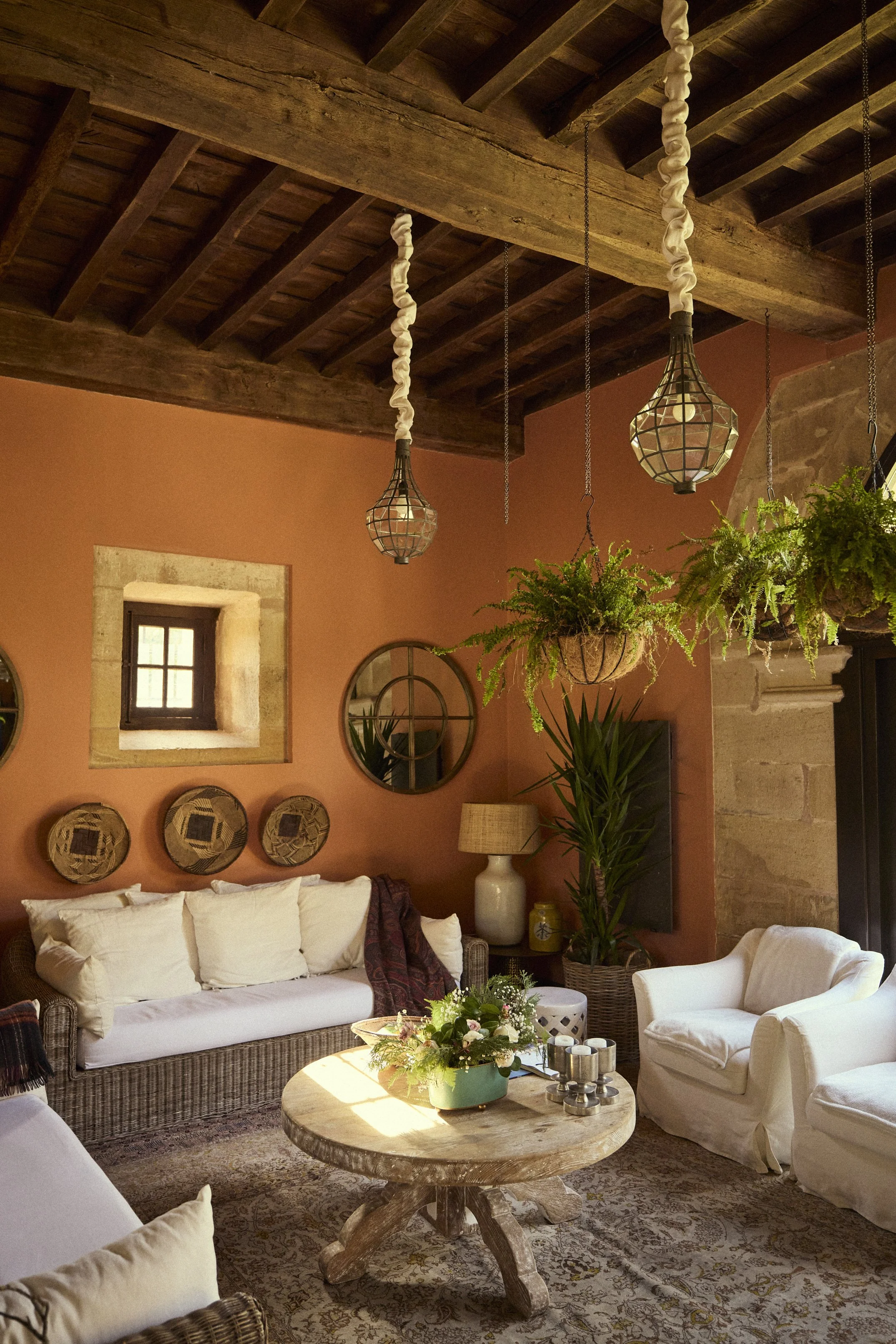
I began by studying the history of the Palace: who built it, who its inhabitants were, what role they played in the history of their time, and, above all, what decorative style prevailed in the centuries in which it was built.
At that time, during the Age of Enlightenment, the Rococo style, originating from France, dominated.
As an interior designer, I chose to restore that style to the Palace and return it to its former splendor, while keeping in mind that each of the characters who inspired the rooms also had their own stories.
All the characters who inspired the rooms were contemporaries of Count Santa Ana de las Torres, who built the Palace.
Therefore, the Duke of Wellington's room, which appears to be the one who saved the life of another of the Palace's characters, Regent Gabriel Ciscar, has a marked English accent or style.
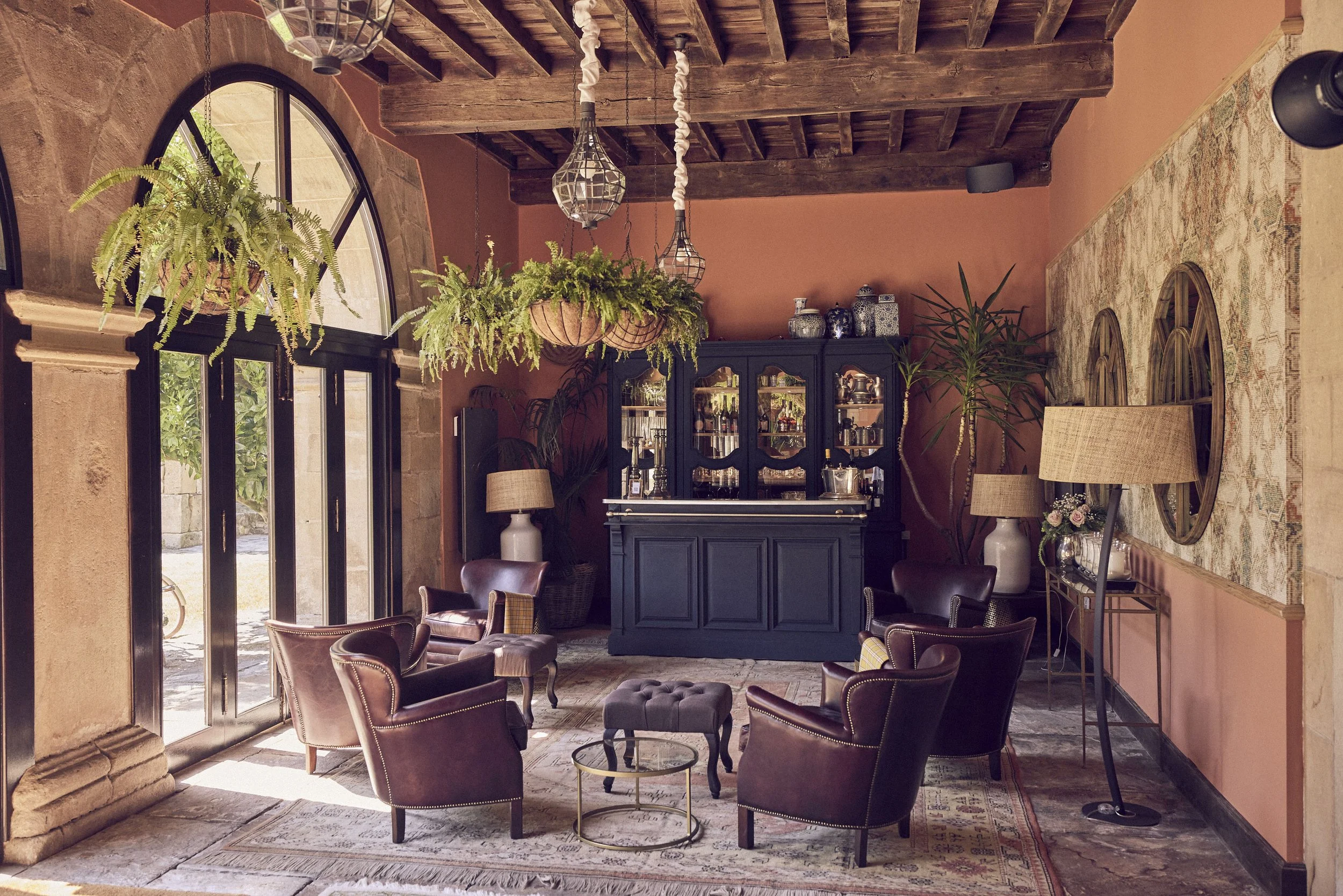
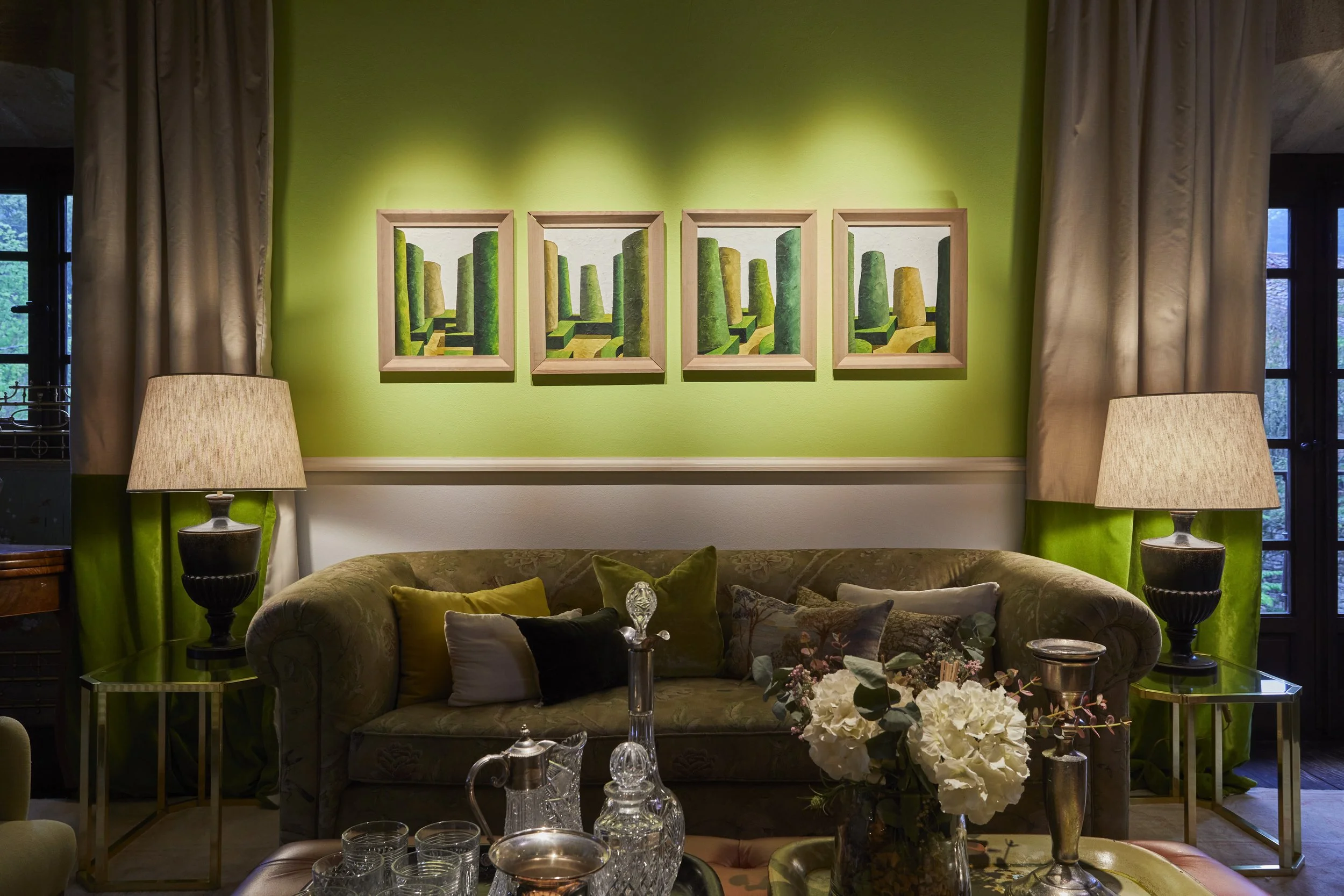
In short, there is a mix of styles from all over Europe and other continents, where every object, every piece of furniture or crystal chandelier, every detail, has its own relevance.
Your spaces seem to celebrate imperfections: the cracks, the softness, the traces of age. What does beauty mean to you, when seen through this lens of acceptance and care?
For me, beauty is found in those who are able to capture sensitivity, simplicity, and harmony.
In ancient times, artisans without extensive technological means were capable of creating true works of art with their hands. They were true artists in all different disciplines. They have left us their treasures, which have aged even more beautifully over time.
Stones, woods, glass, ceramics, paintings... that have a past tell us their story through the imperfections caused by aging.
Design often reflects the designer’s inner world. Looking back, how has this project transformed you personally — as a creator, and as a woman?
I've completed different types of projects in different countries, the last ones focusing on the island of Ibiza—imagine the difference. I came with the idea of whites, sands, turquoise, natural and organic woods. When I saw the Palace, I felt the opportunity to explore something different, and it was a challenge for me.
The project of a historic building in the middle of nature, between valleys and surrounded by different shades of incredible green, captivated me.
Doing something so different from what I was used to has perhaps made me, both as a woman and as a person, more tolerant and open. Above all, much more committed to respecting our traditions and history.
There’s a sense of stillness that lingers in every corner. Do you believe tranquillity can be designed, or does it simply emerge when things fall into place?
Nature has a natural gift for creating harmony and peace. It happens naturally. However, when we design a space, we start from scratch and must combine a multitude of different aspects.
I am extremely careful with space; a city apartment is not the same as a house on the coast, or a winter cabin. The first thing is the environment and concept of the space to be designed.
If we confuse what it truly is, no matter how much we design, we won't achieve the tranquility or peace we seek.
Indeed, everything has to fit together for us to feel at peace and harmony, because even when it seems that there is some element in disorder, in my case, that disorder is perfectly defined.
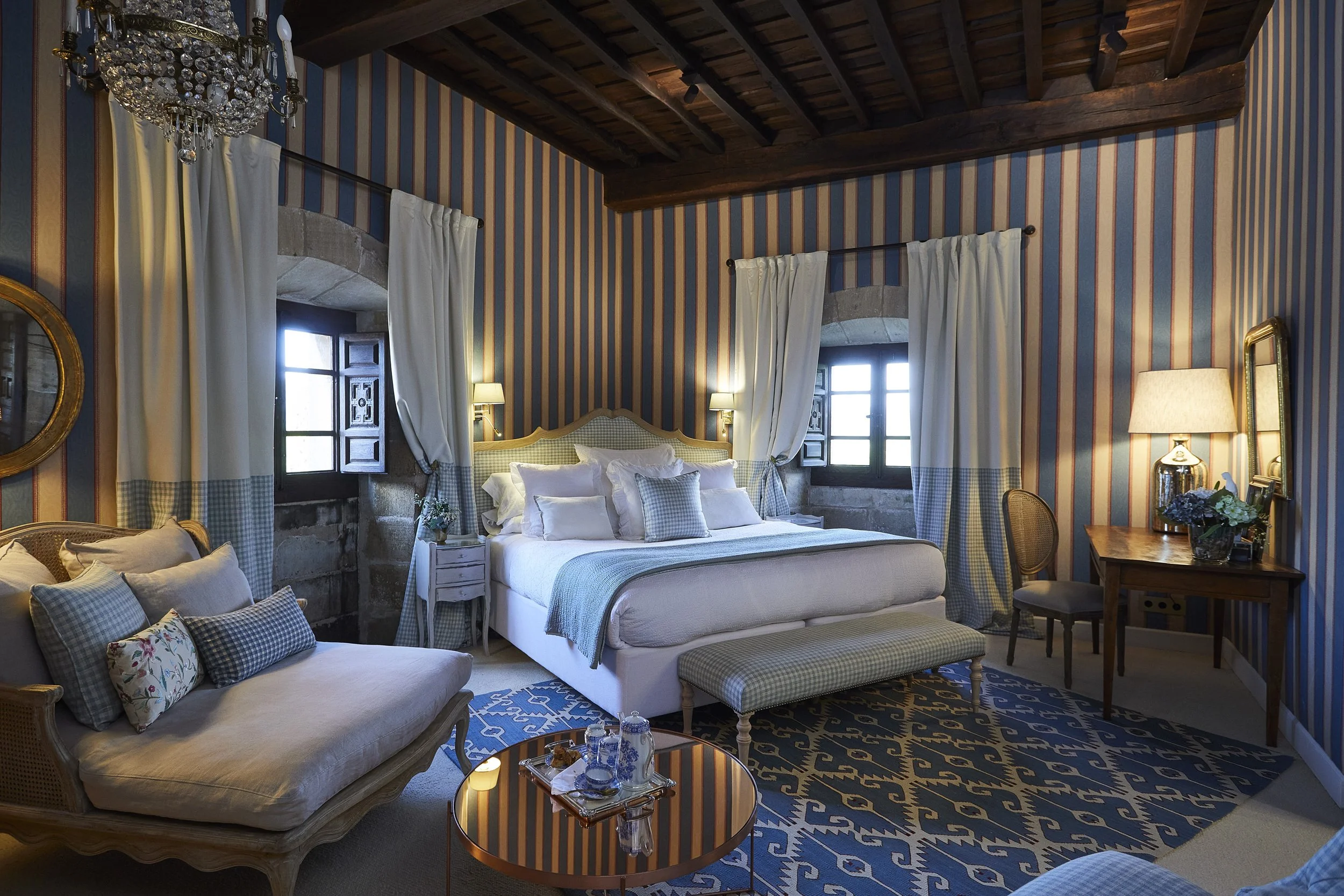
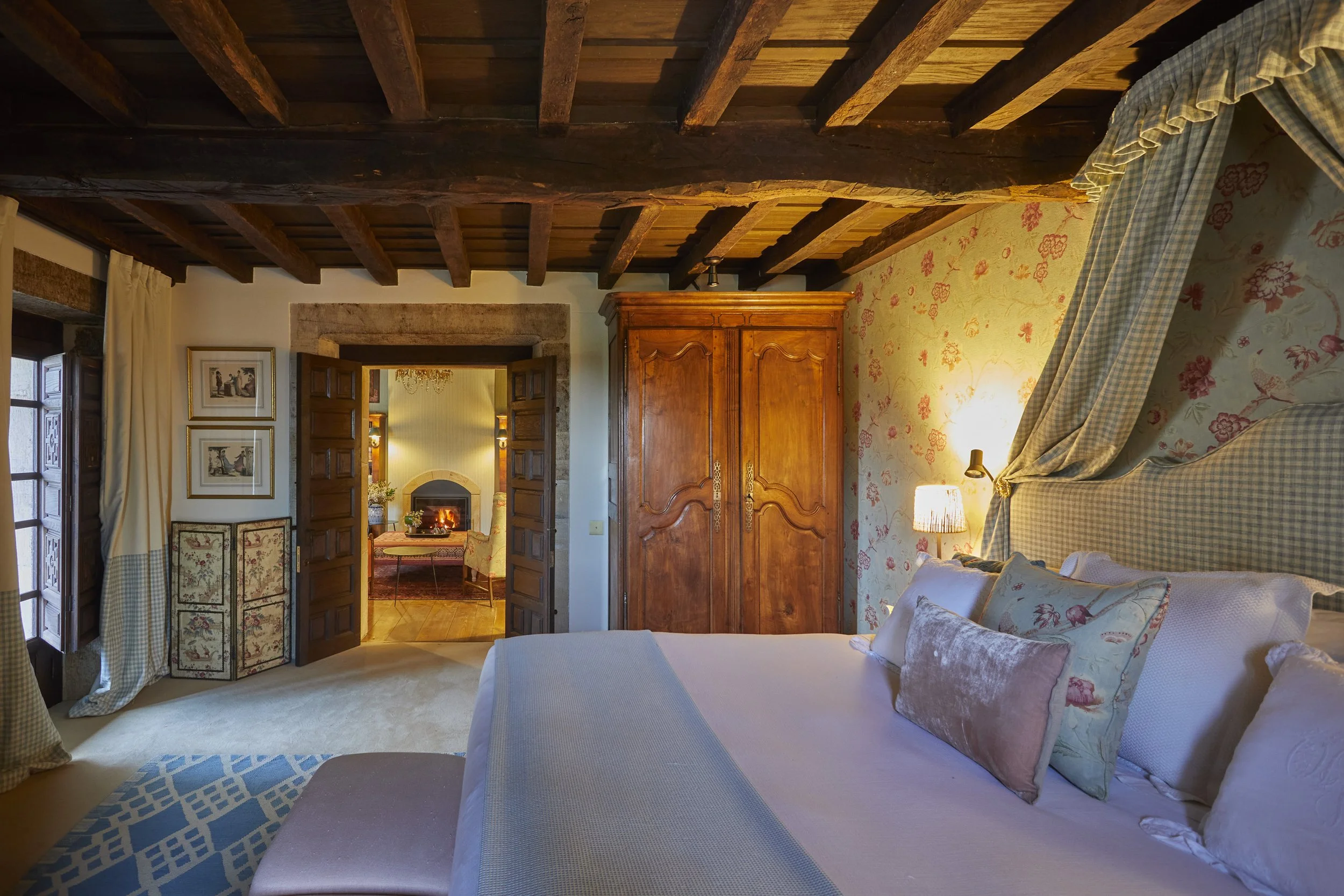
When you walk through the palace now — with its light, silence, and scent of history — what feeling stays with you most? When guests leave, what do you secretly hope stays with them — something they can’t post, can’t buy?
For me, it feels like home. There's history, design, exquisite decor, and a lot of care, but what you feel most at the Palace is the warmth of home, and a lot of it, because it's been a home for many years.
What I want above all else is for my guests, who are my guests, to feel that way too.
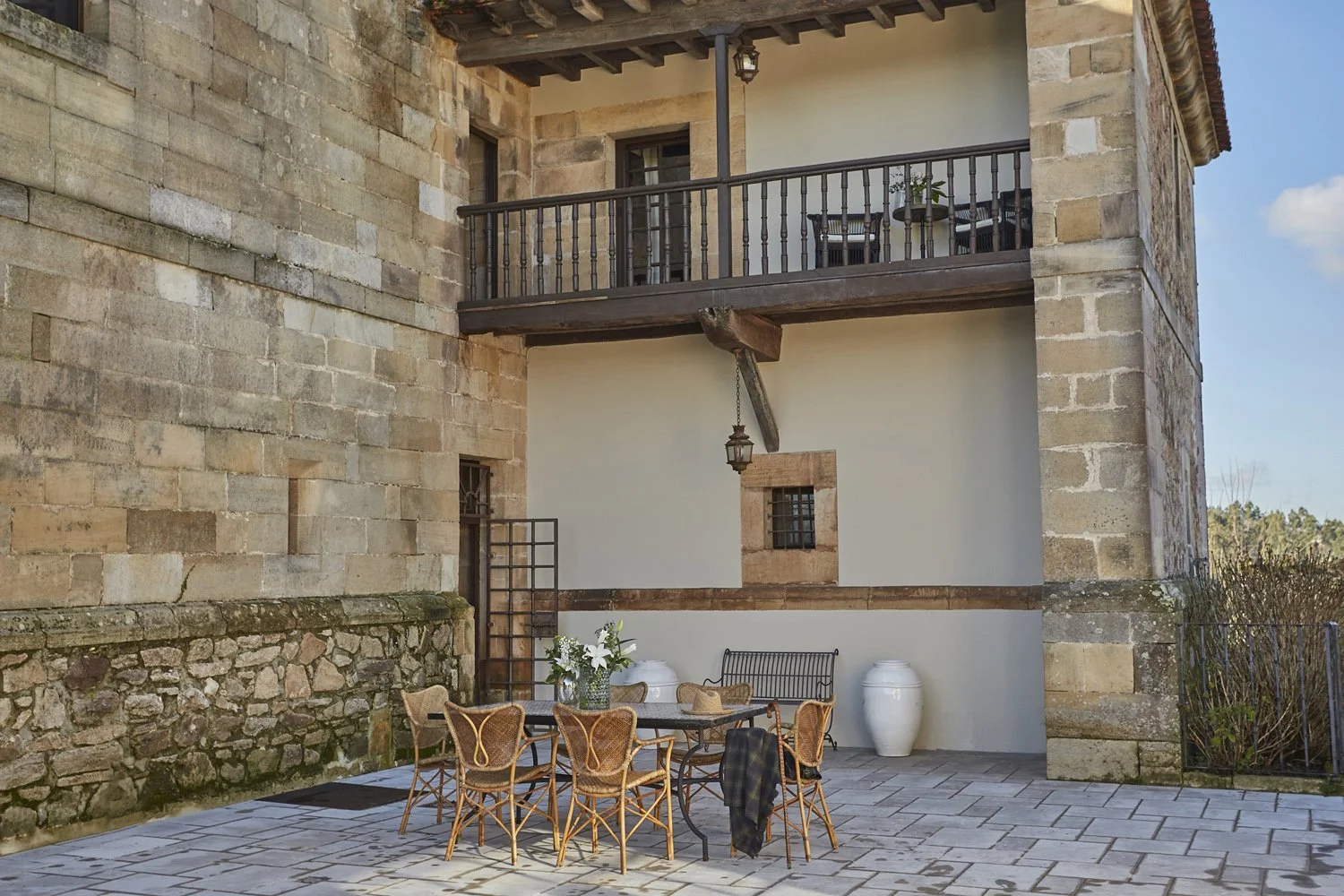
After everything you’ve lived and built, what’s the one truth you know now that you wish you’d known earlier?
In fact, I've always known it, and this project has confirmed it for me: whatever you do, do it with a lot of love.
If there's no culture, sensitivity, and tenderness, it's difficult for a project to have soul, and without soul, the space lacks personality. It's just one of many.
There can be priceless buildings of opulence and wealth that leave you cold, and there are also humble spaces that fill your senses. That's why I firmly believe that good design is one in which the creator has put a good piece of their heart, or that of the people who commissioned the project.
This is the question that we ask in every interview: what do you think the world needs more of right now?
Well, following the previous question, for me it's love.
I'm not ashamed to say that the world lacks truth, which is love, tolerance, sensitivity, tenderness, and understanding. And please, a little more culture would do us a world of good.
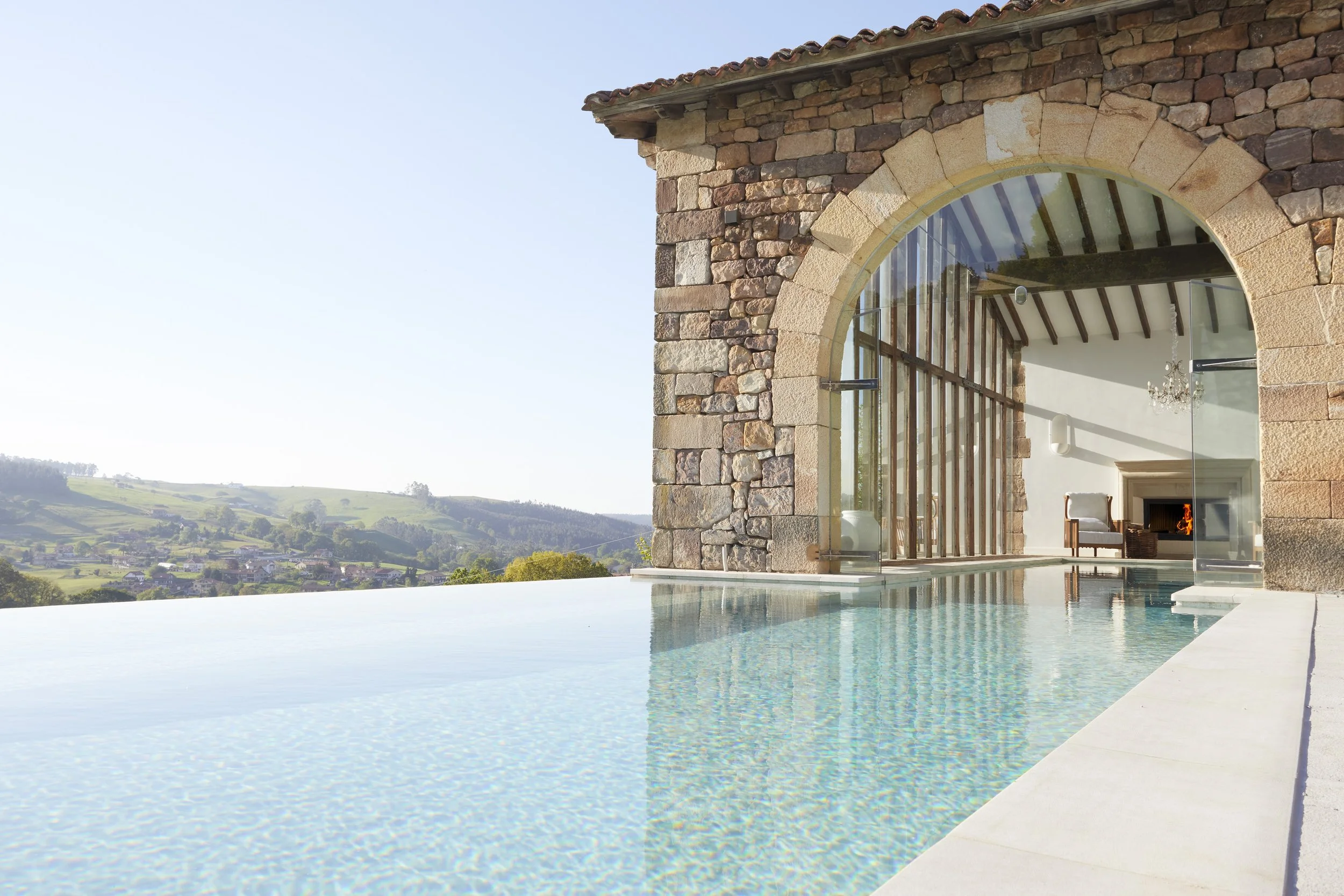
Rates at Palacio Helguera Boutique & Antique start from EU 440 per room per night including breakfast and based on two sharing. Palacio Helguera is part of the Authentic Heritage Collection, Spain's hallmark of independent luxury. www.palaciohelguera.com
