
Giulio Ghirardi: Moving Fast, Seeing Deeply
There is a particular stillness in the photographs of Giulio Ghirardi — a sense of tactility, warmth, and emotional clarity — that stands in striking contrast to the pace of the man behind the camera. A Milan-based photographer with roots in architecture and a life that moves at jet-lag speed, Ghirardi creates images that feel unhurried, instinctive, and deeply human. His work is known for capturing atmosphere over perfection, emotion over precision, presence over polish.
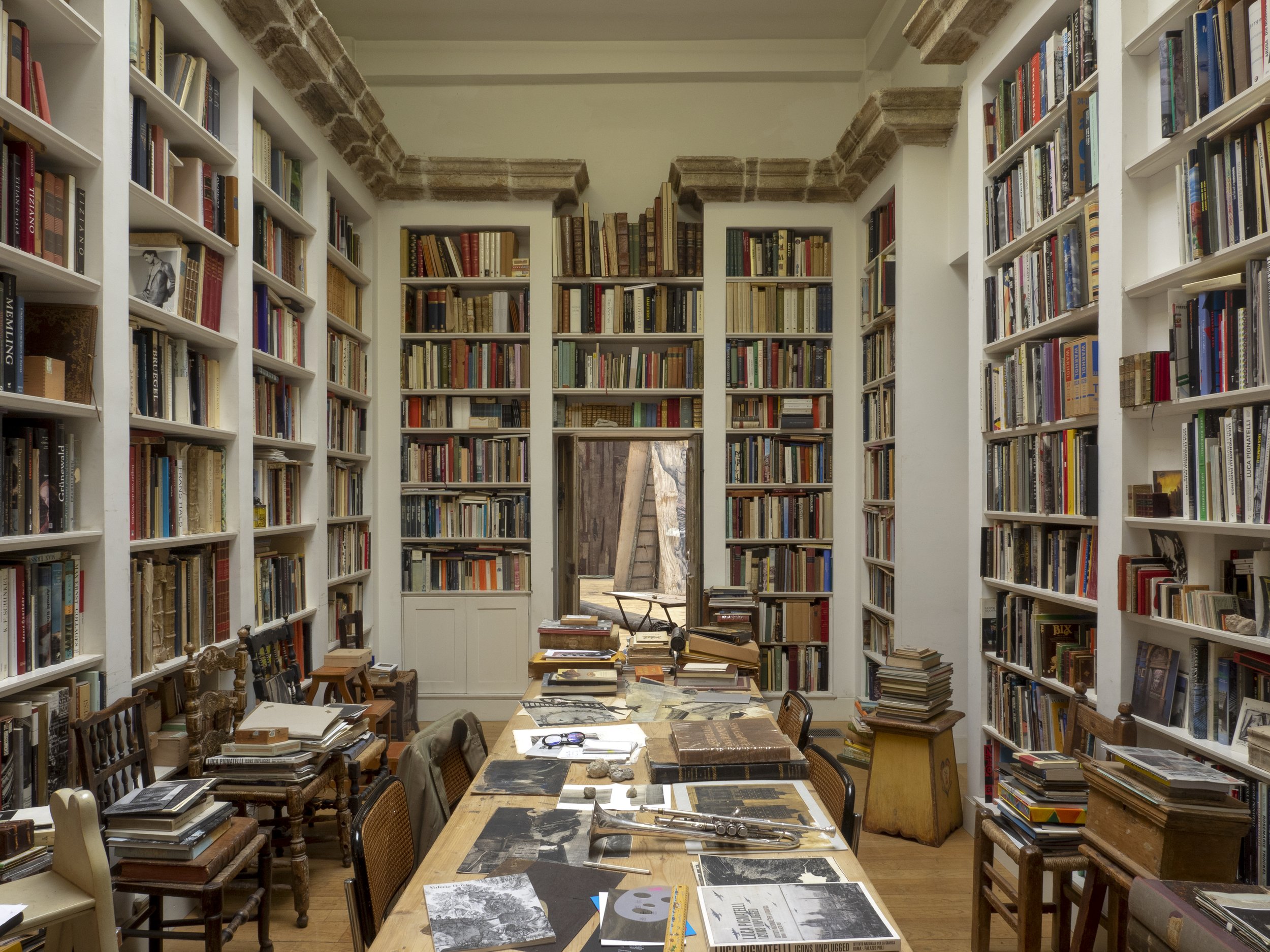
Yet his path into photography wasn’t linear. For years, he lived between two worlds: practicing architecture while quietly feeding a parallel longing to create images. “I always wanted to work in photography and be an artist,” he says, “but I ended up studying architecture and practicing it until 2020.” Eventually, his two lives converged. The decision to pivot toward photography came with clarity — and with the understanding that his love for architecture would remain integral to his eye. Much of his sensibility today is shaped by the way he once studied buildings: through light, volume, material, and lived-in presence.
His creative roots stretch back even further. Ghirardi speaks of his father, an architect himself, as the first person to guide his path — someone who passed down not just a profession, but a way of approaching work with passion and positivity. Later, the filmmaker Luca Guadagnino became a mentor, influencing his sensitivity to storytelling, texture, and cinematic atmosphere.
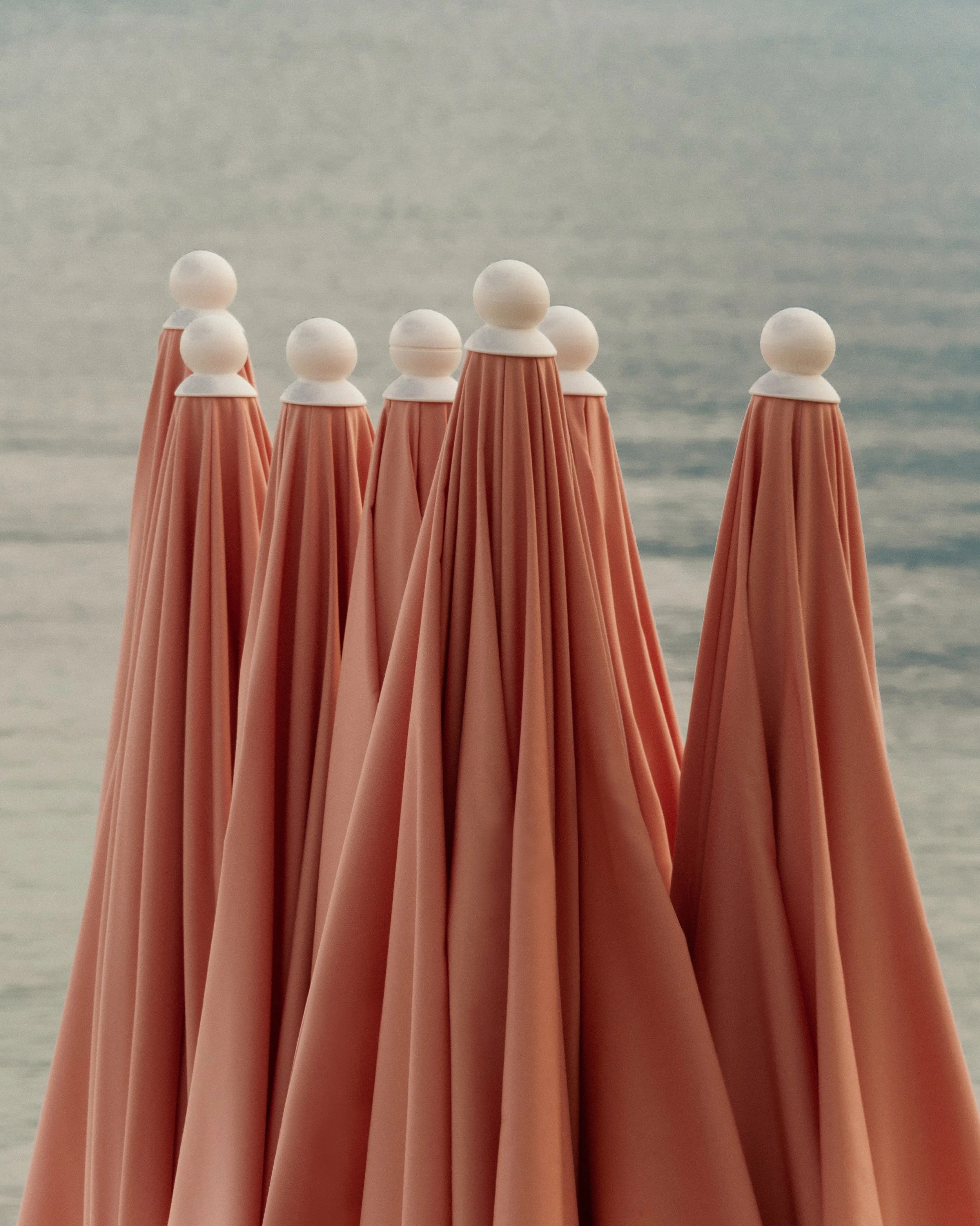
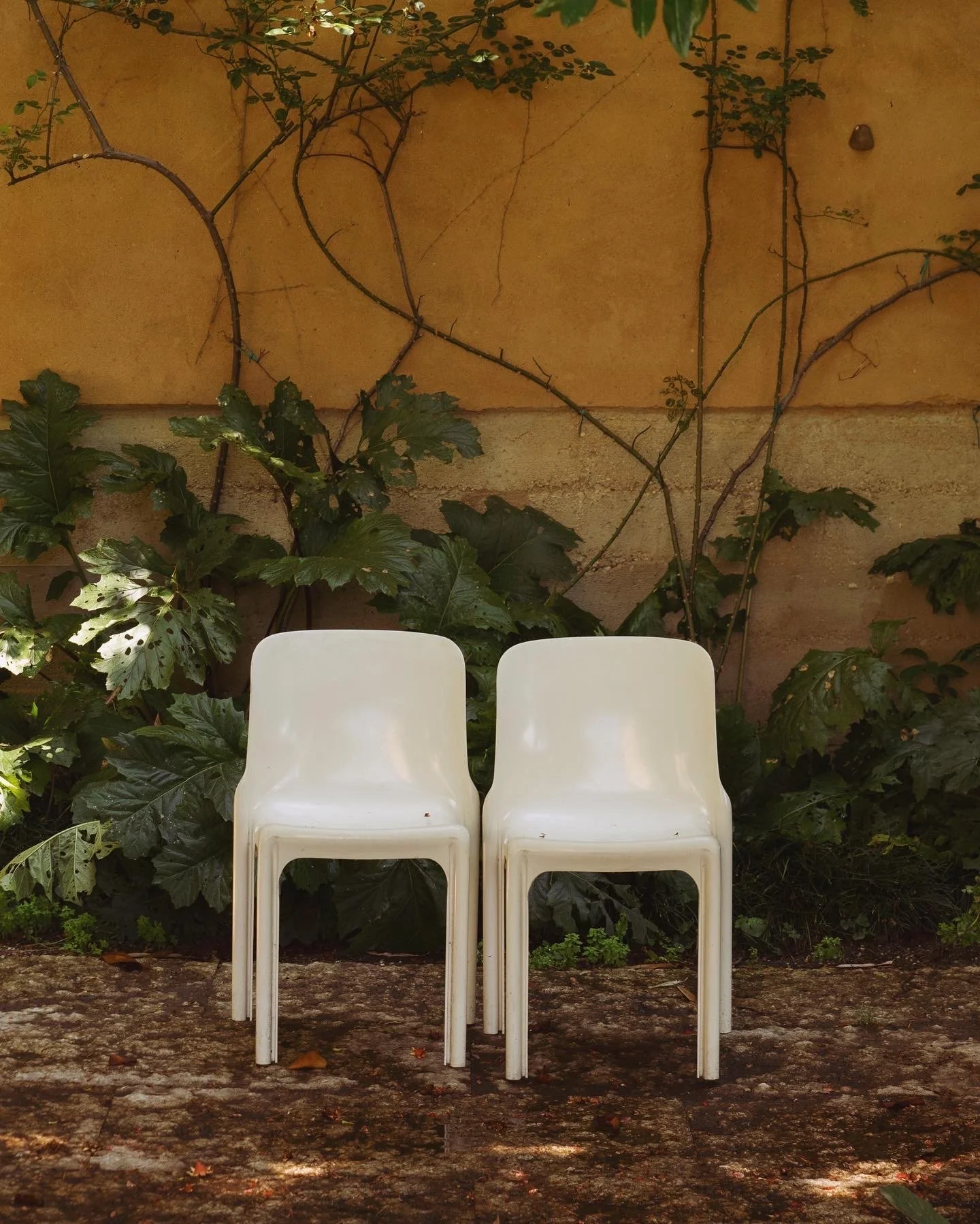
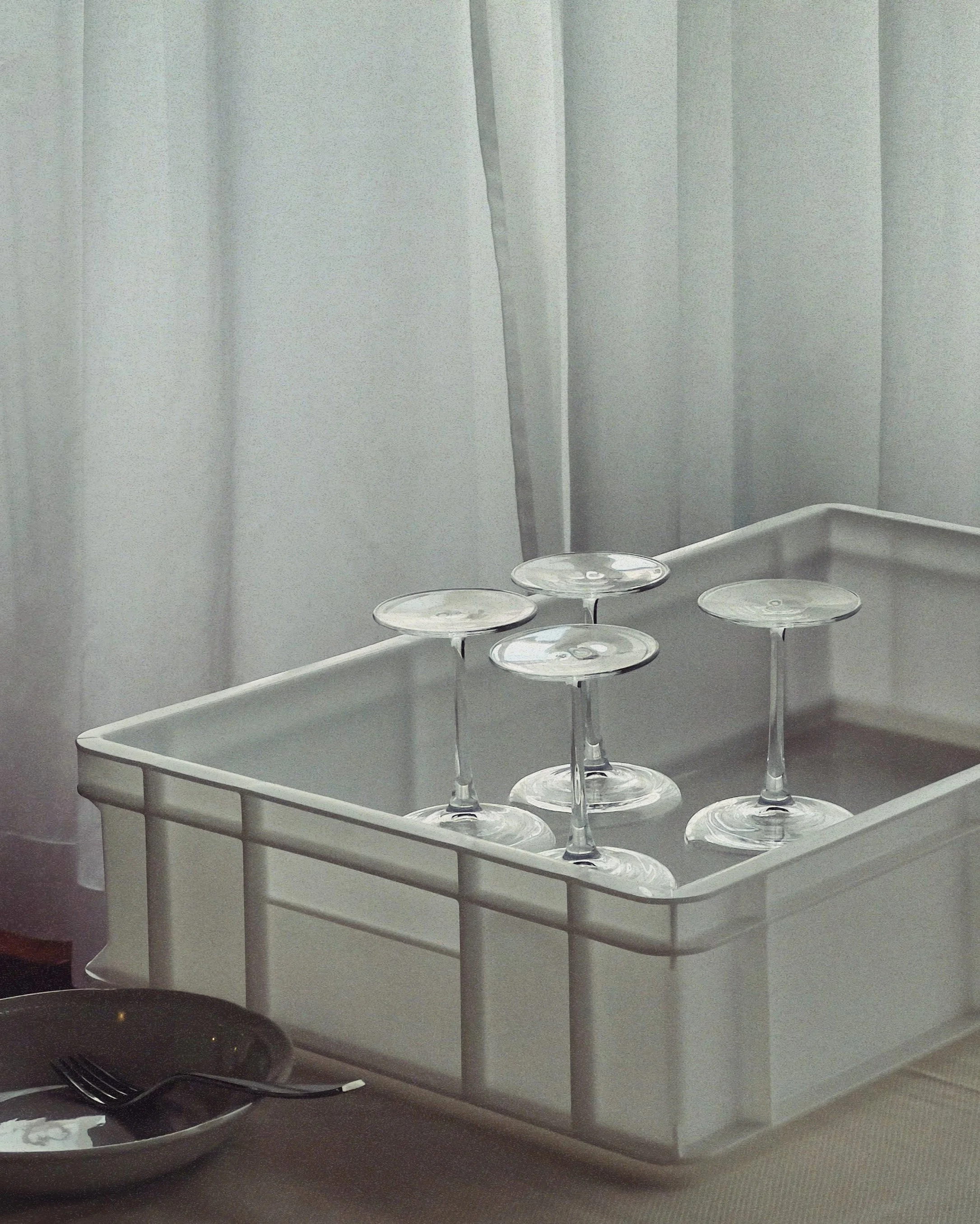
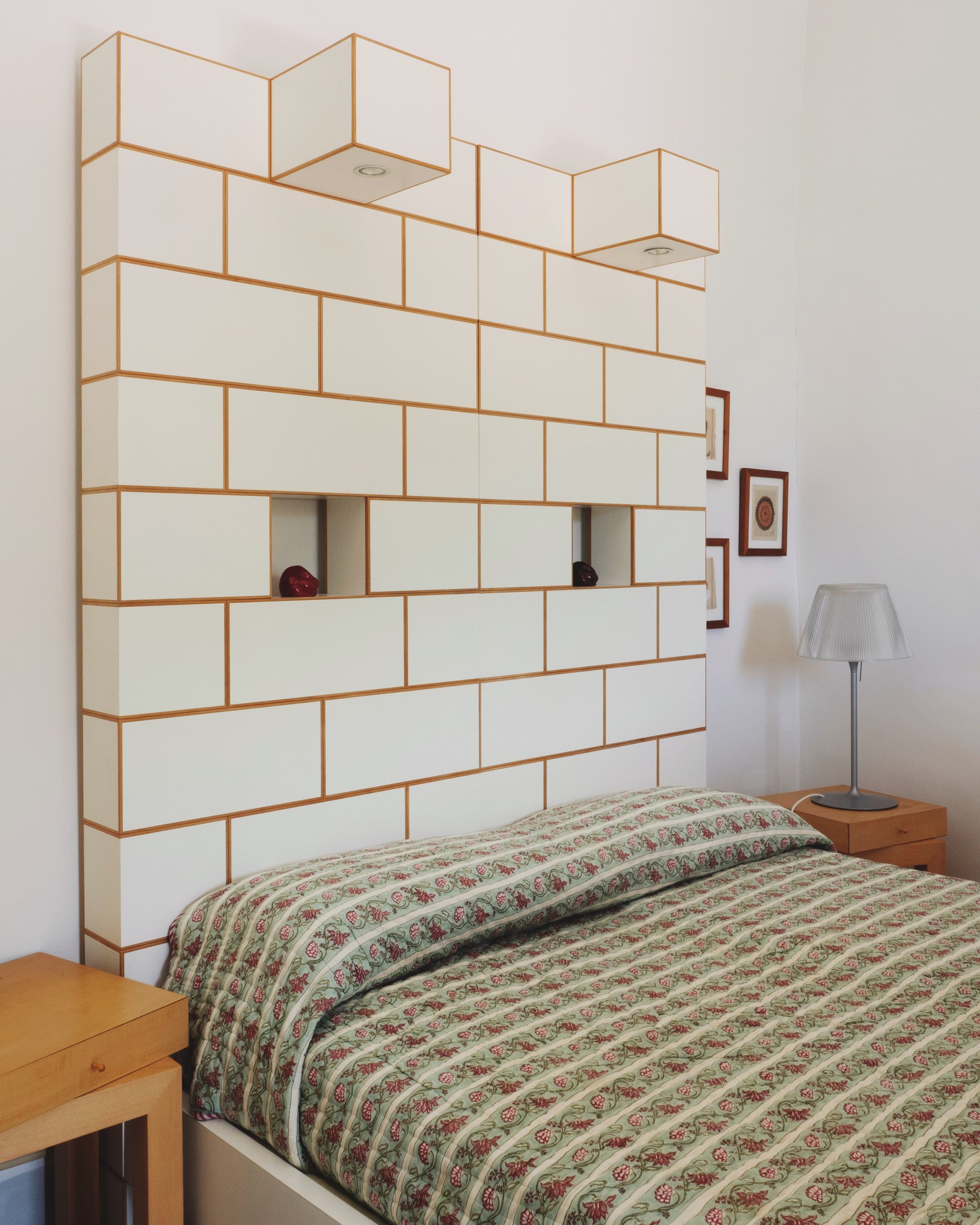
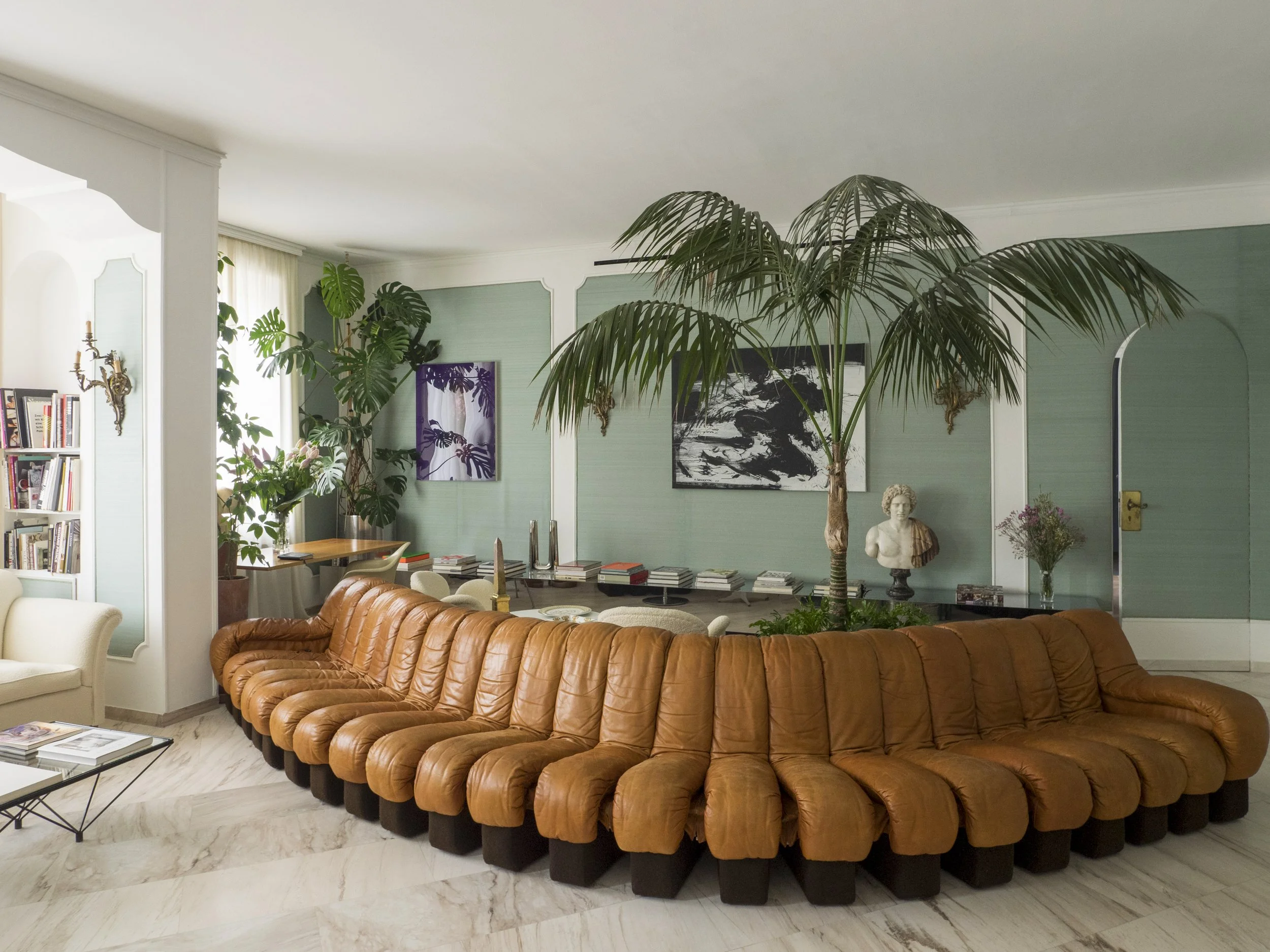
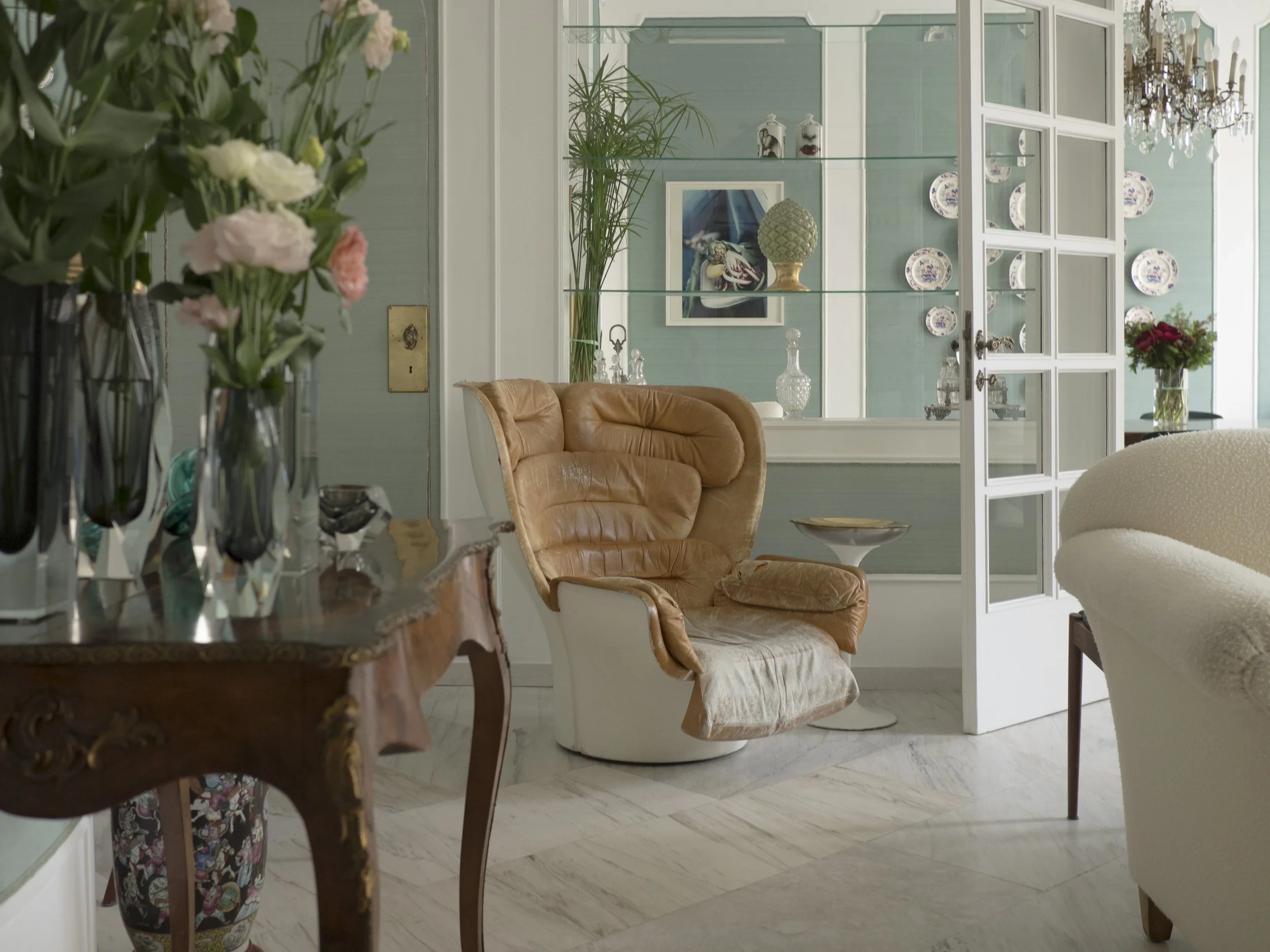
Ask Ghirardi about his philosophy, and he answers with two words that sound simple but carry the weight of an entire practice: spontaneity and effortlessness. His photographs feel tactile even on a screen — as if the viewer could trace a surface with their hands or breathe in the scent of a room. “A perfectly made picture often transmits nothing,” he says. “A soulful, perhaps flawed image can leave a lasting trace.” He gravitates toward instinct, toward the emotional undercurrent of a space, toward the imperfections that make an image feel alive.
Inspiration arrives from everywhere and nowhere — from art shows and novels, from distant travels and familiar places, from family, memory, and the subtle shifts of everyday life. For Ghirardi, it comes from the far-away and the close-at-hand with equal weight. He moves quickly, both physically and creatively. “I prefer fast living,” he admits. “I become bored when I move too slowly. I don’t pause to savor successes or mistakes.” His life often unfolds at the speed of boarding passes — more than 150 flights a year — yet he insists this intensity is right for him at this moment. During the week, he immerses himself in work; on winter weekends, he resets by skiing in the mountains with his children.
August is the one time he truly slows down, retreating to the mountains for long hikes, time with family, and the quiet clarity that only solitude in nature brings.
Though he downplays technique, materials, or conventional discipline, there is a clear intentionality that shapes his process. Sustainability, to him, is not about rules or labels but about longevity — the endurance of an image, the meaning it carries, the value it holds over time. “The longer it lasts and the more meaningful it is, the greater its value,” he says. To remain consistent, he believes a creator must stay consciously involved — yet also open enough to get lost in the process.
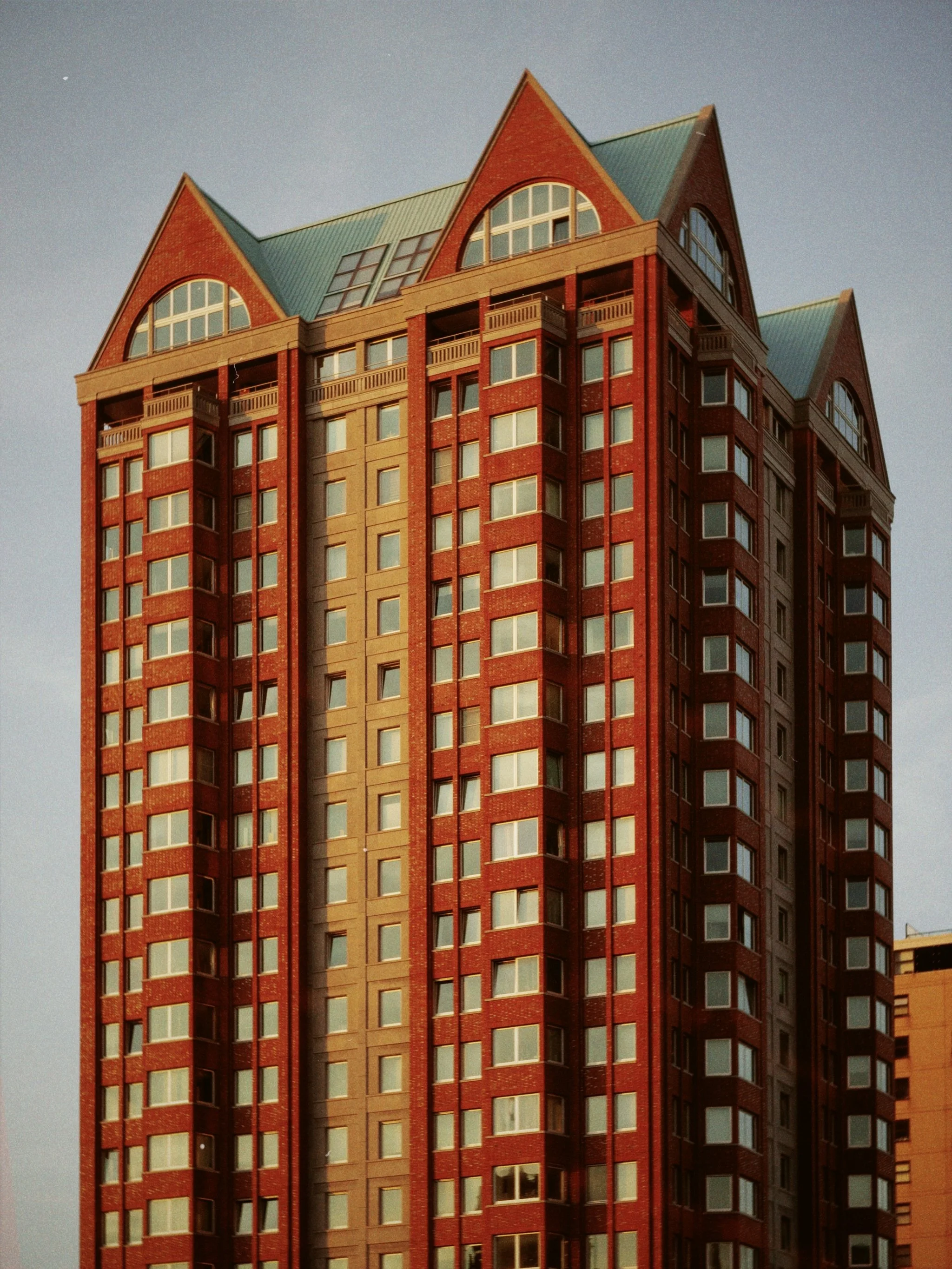
Every project is a discovery. Every home he photographs challenges him in a new way, pushing his adaptability across scales, countries, and contexts. Milan remains his base, but exploring different environments — from large architectural gestures to intimate domestic spaces abroad — keeps him sharp. Emotion always leads; form follows.
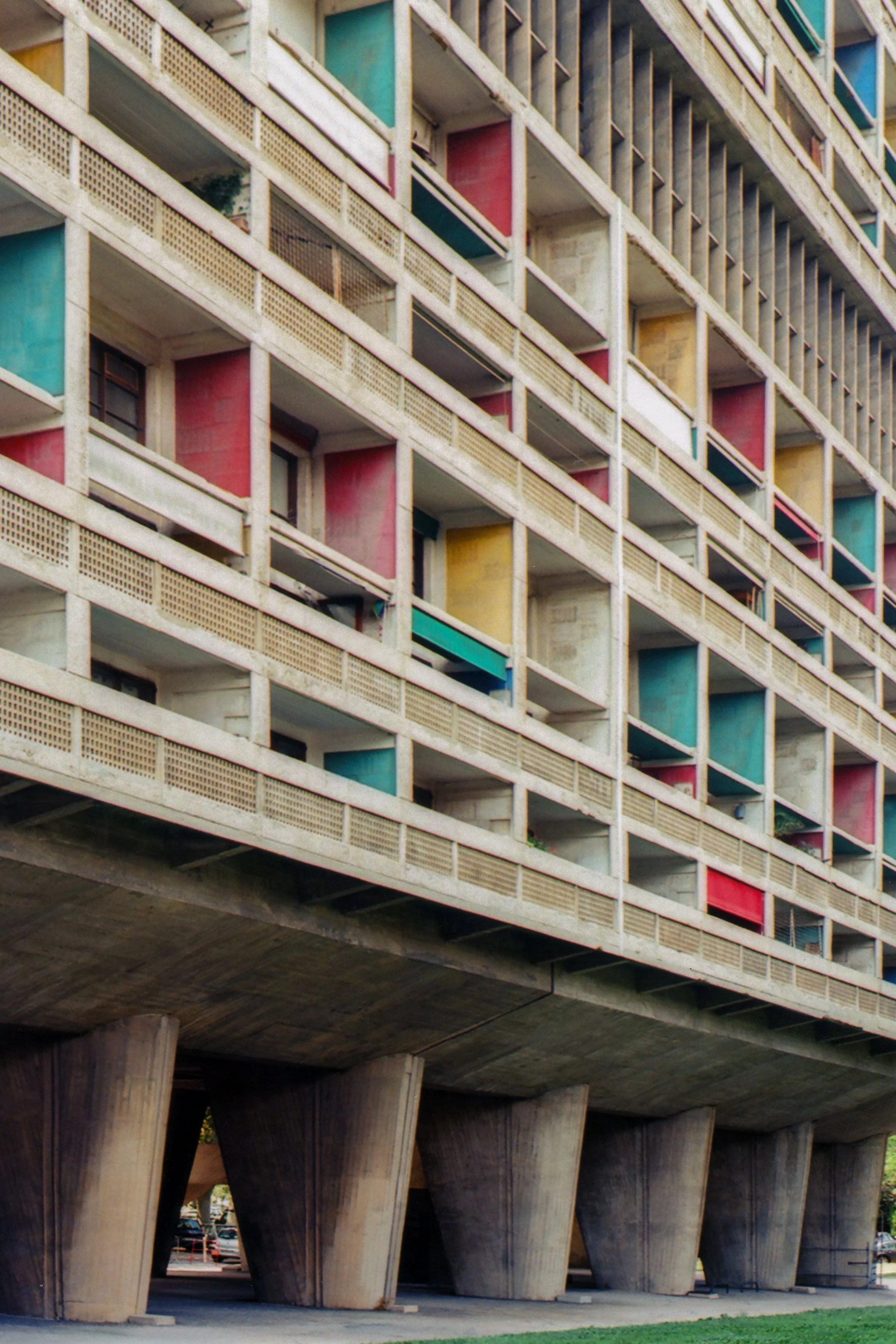
Today, Ghirardi is navigating a new shift: transitioning from a purely professional stance toward a more artistic one. “I’m thinking less about agencies and more about galleries,” he shares. What excites him most is the possibility of expanding his work into books and exhibitions — vessels that hold time rather than rush through it, allowing viewers to live with an image in a slower, more attentive way.
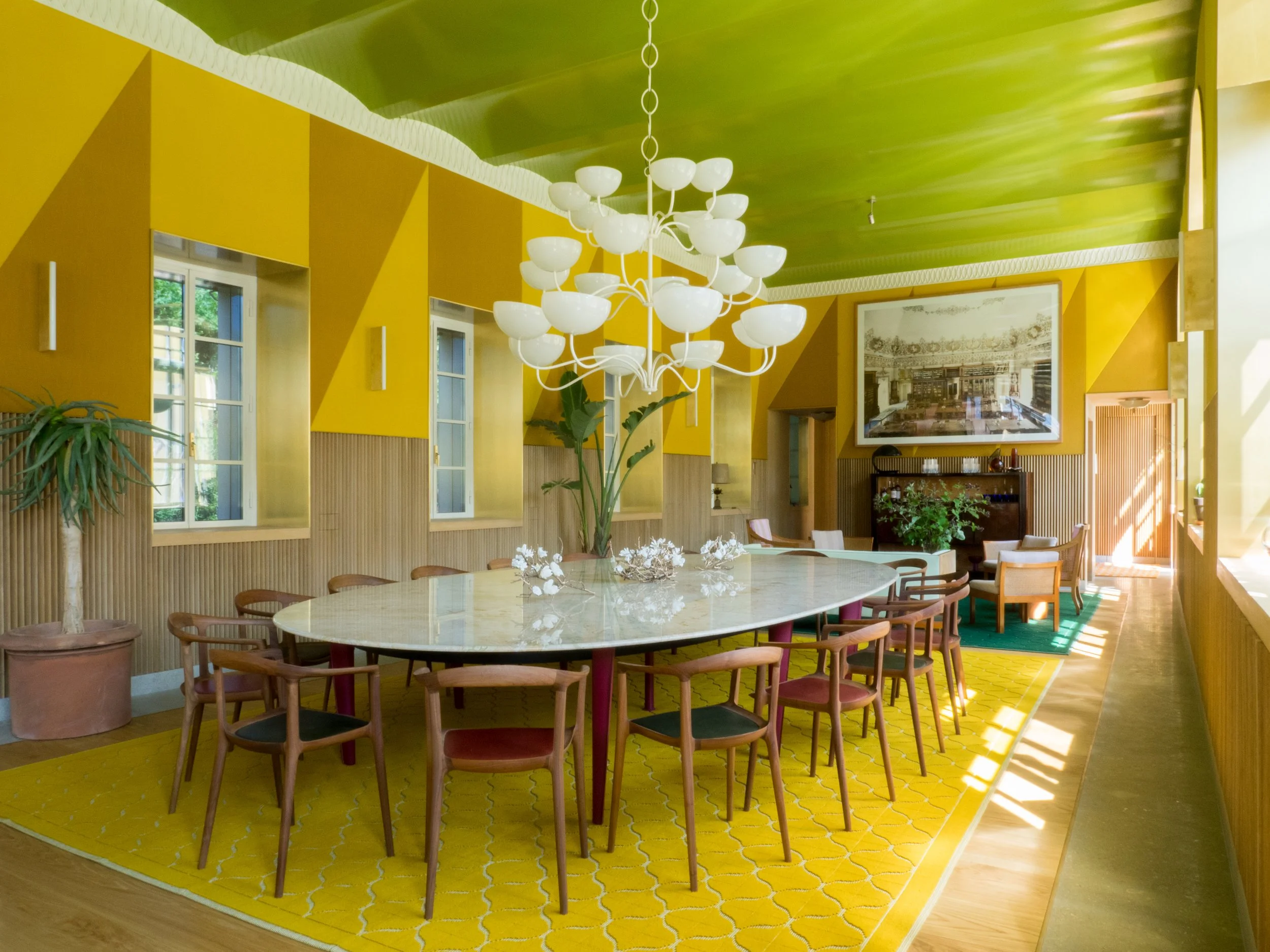
A Few Quick Ones with Giulio Ghirardi
Morning or evening?
Morning, because I like to have the whole day ahead of me.
Coffee, tea, or something else?
Coffee, coffee, coffee.
A scent or sound that feels like home?
Burned wood in the stube of my mountain home.
A place you always return to for inspiration?
London.
One object you couldn’t live without?
A piano.
