
Koto Living: Restorative, Yet Functional
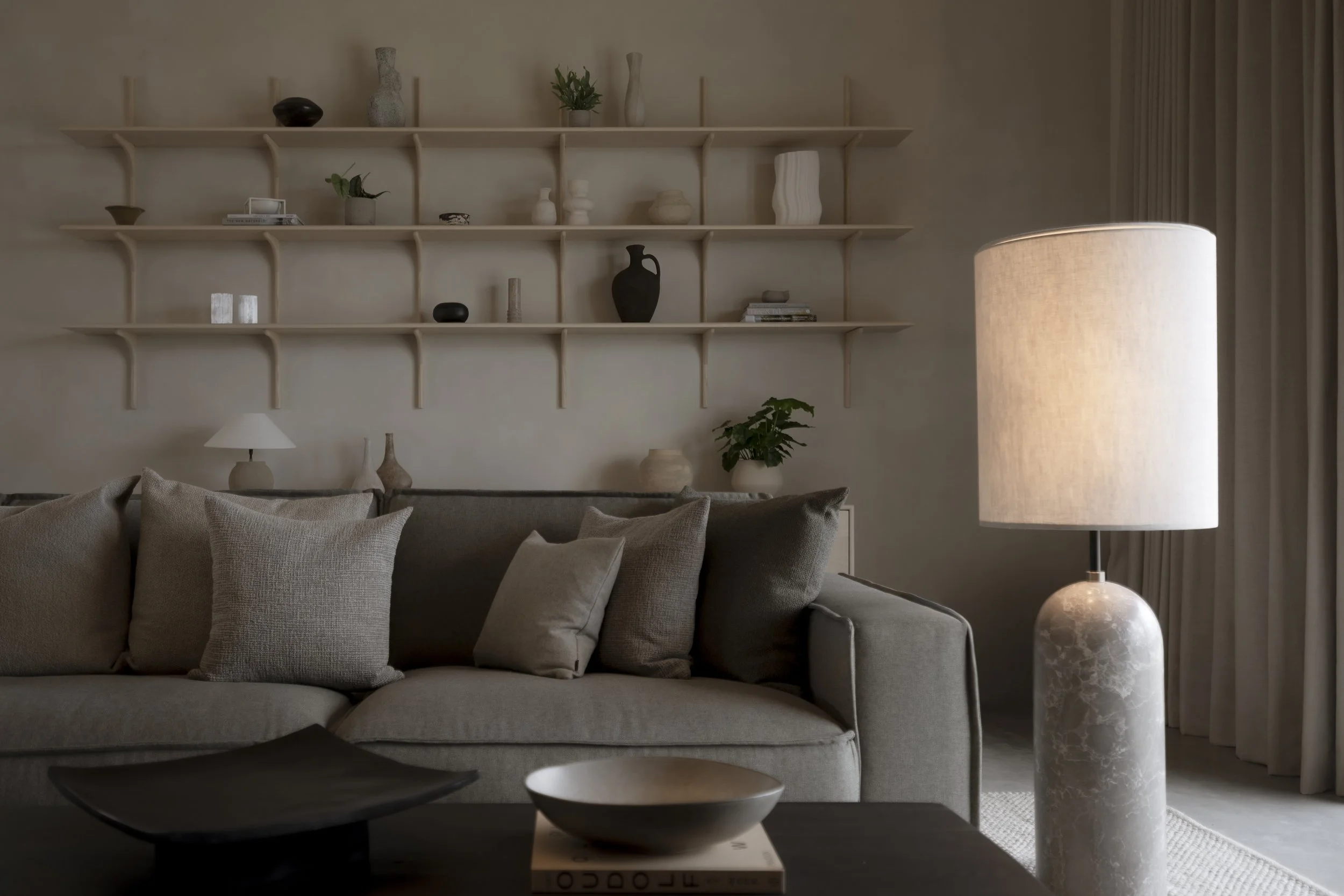
There’s a certain kind of calm you feel when stepping into a space shaped by intention — where natural materials soften the edges of everyday life, and thoughtful design reminds you to slow down. This is the world of Koto Living, the interior arm of Koto, the architecture studio celebrated for its Nordic–Japanese sensibility and serene modular homes.
Rooted in biophilic design and guided by a deep respect for nature, Koto Living creates interiors that feel quietly luxurious, timeless, and deeply human. In this conversation with Unalike Living, the team shares how the brand began, the philosophies that guide their work, and the enduring power of spaces that restore, rather than overwhelm.
Can you tell us a little about how Koto Living began? What inspired you to start the brand?
Koto Living grew organically from our architectural practice, Koto. As we designed modular homes and cabins shaped by nature, we found ourselves drawn more and more to what happens inside those spaces — how interiors can nurture calm and wellbeing.
We wanted to create interiors that reflected the same principles as our architecture: sustainable, refined, and quietly luxurious. Koto Living became a natural extension of this vision, dedicated to crafting considered, natural spaces that feel as good as they look.
What does the name “Koto” mean to you, and how did you arrive at it?
Koto is the traditional Finnish word for “cosy at home.” It perfectly captures the feeling we aim to evoke — warmth, calm, and a deep sense of connection. The name also reflects our Nordic and Japanese influences, both of which value simplicity, craftsmanship, and harmony with nature. For us, Koto is about creating that quiet, contented sense of truly being at home.
Who is behind Koto Living — and how did you all come together to create it?
Founded by the team behind Koto, Koto Living is led by a collective of interior designers brought together by a shared belief in the restorative power of nature. Our work is rooted in the same philosophy that guides Koto: creating calm, refined environments that connect people to the natural world and support a slower, more intentional way of living.
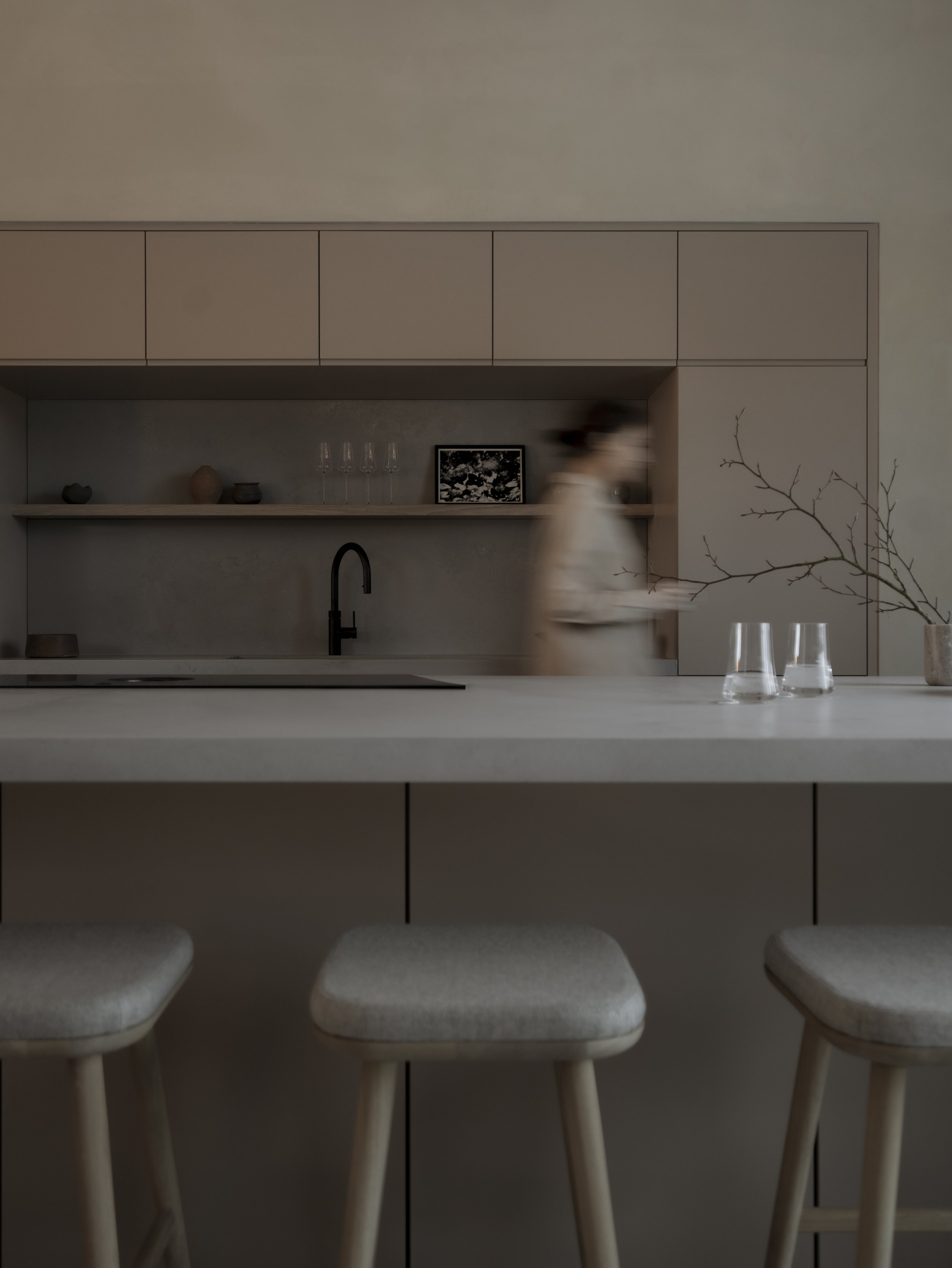
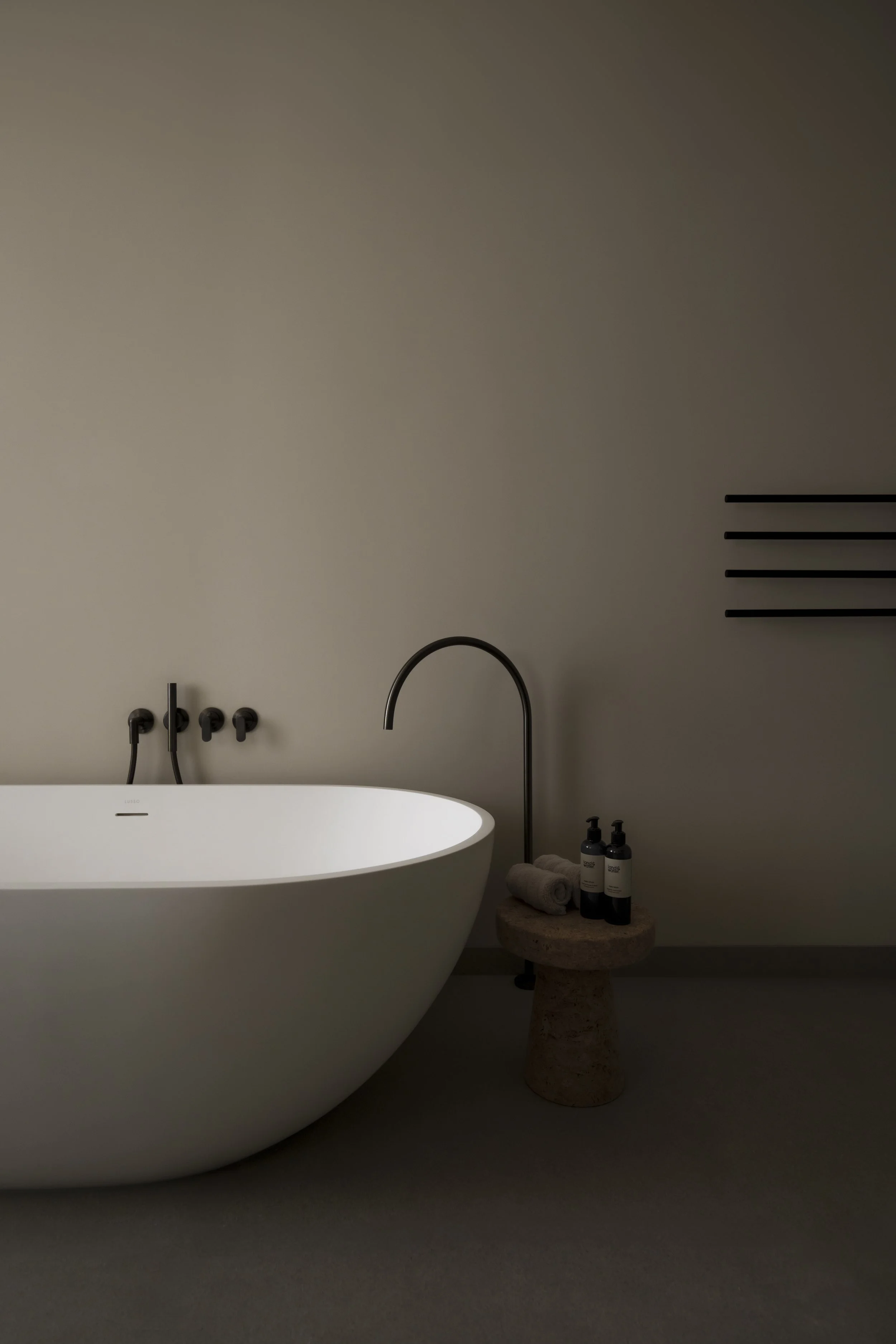
What was the very first piece or collection you created, and how did it feel to see it come to life?
One of our first interior projects was the Chelsea Cabin, showcased at the RHS Chelsea Flower Show in 2022. Seeing that intimate, nature-inspired space come together — and then being awarded a prestigious Gold Medal — was incredibly special. It captured everything we care about: interiors shaped by natural materials, light, emotion, and a sense of tranquillity.
How would you describe the essence of Koto Living’s design philosophy?
Quiet luxury. A balance of simplicity, warmth, and refinement. We believe good design enhances wellbeing and creates a genuine sense of connection to place. Every project begins with an appreciation for natural materiality, light, and the ability of space to calm and restore.
Your work has a beautiful sense of calm and warmth. What do you hope people feel when they bring Koto into their homes?
Ease. Stillness. A sense of belonging.
We hope our interiors encourage people to slow down and reconnect — with themselves, their surroundings, and the natural world. We design for comfort and clarity, but also for emotion: spaces that feel both timeless and alive.
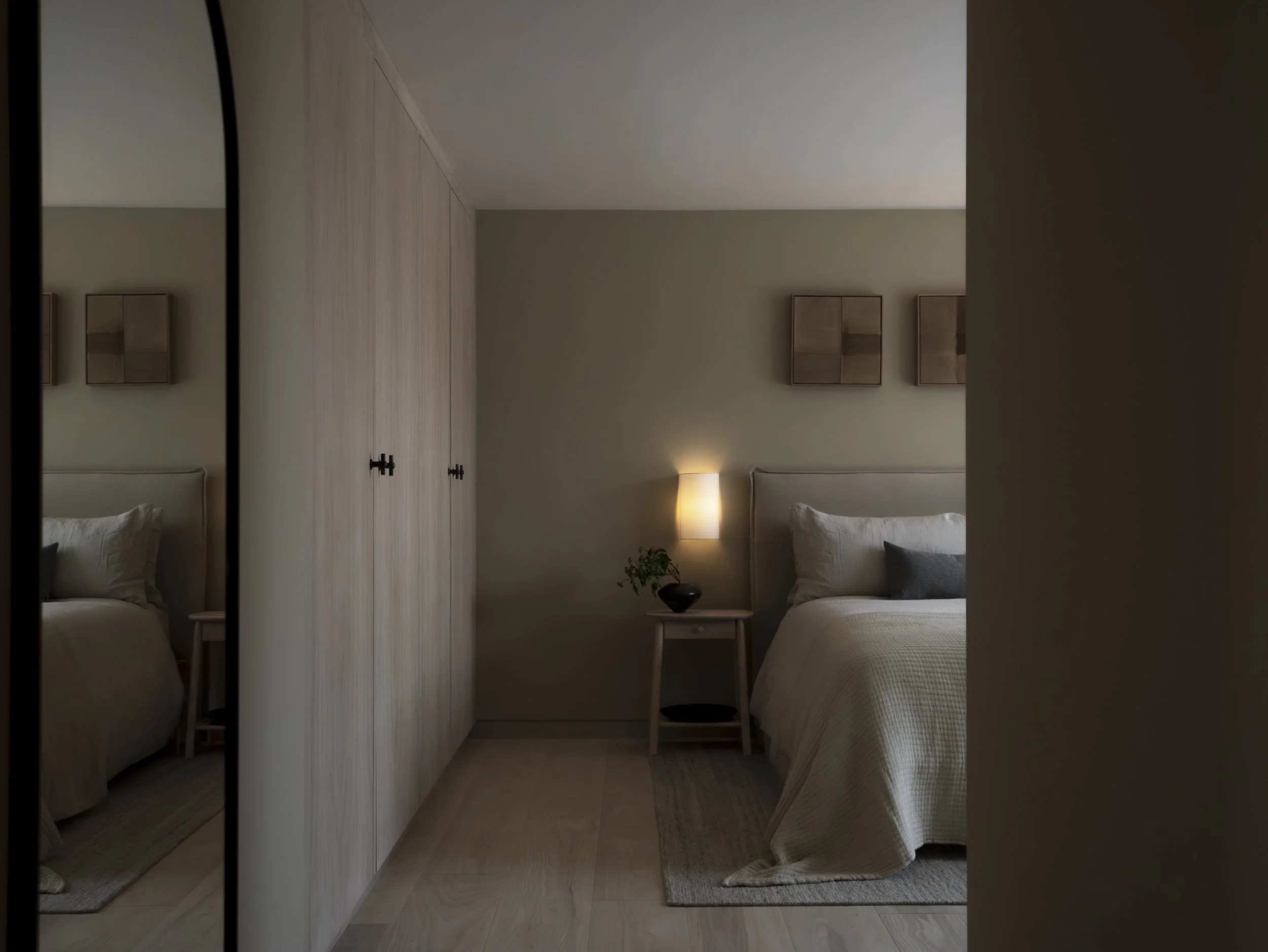
Where do you find inspiration for textures, tones, materials and forms?
Always in nature. The grain of wood, the shifting coastal light, the tactile qualities of stone — these are constant references. We’re also influenced by simplicity: Scandinavian minimalism, Japanese restraint, and the craftsmanship of the makers we collaborate with.
Sustainability is such an important part of modern design. How do you interpret it in practice at Koto Living?
For us, sustainability begins with responsibility and longevity. We favour natural, non-toxic materials and work with trusted craftspeople who share our environmental ethos. We design for endurance: timeless spaces made to last, rather than follow trends. A sustainable interior should tread lightly on the planet and feel healthy to live in.
Are there materials, processes or collaborations you’re particularly proud of from an environmental or ethical standpoint?
We’ve partnered with a number of British and Nordic makers who prioritise sustainable production — from FSC-certified timber furniture to lime and clay plasters that allow buildings to breathe. Every collaboration that values craftsmanship and care over mass production is something we’re proud to celebrate.
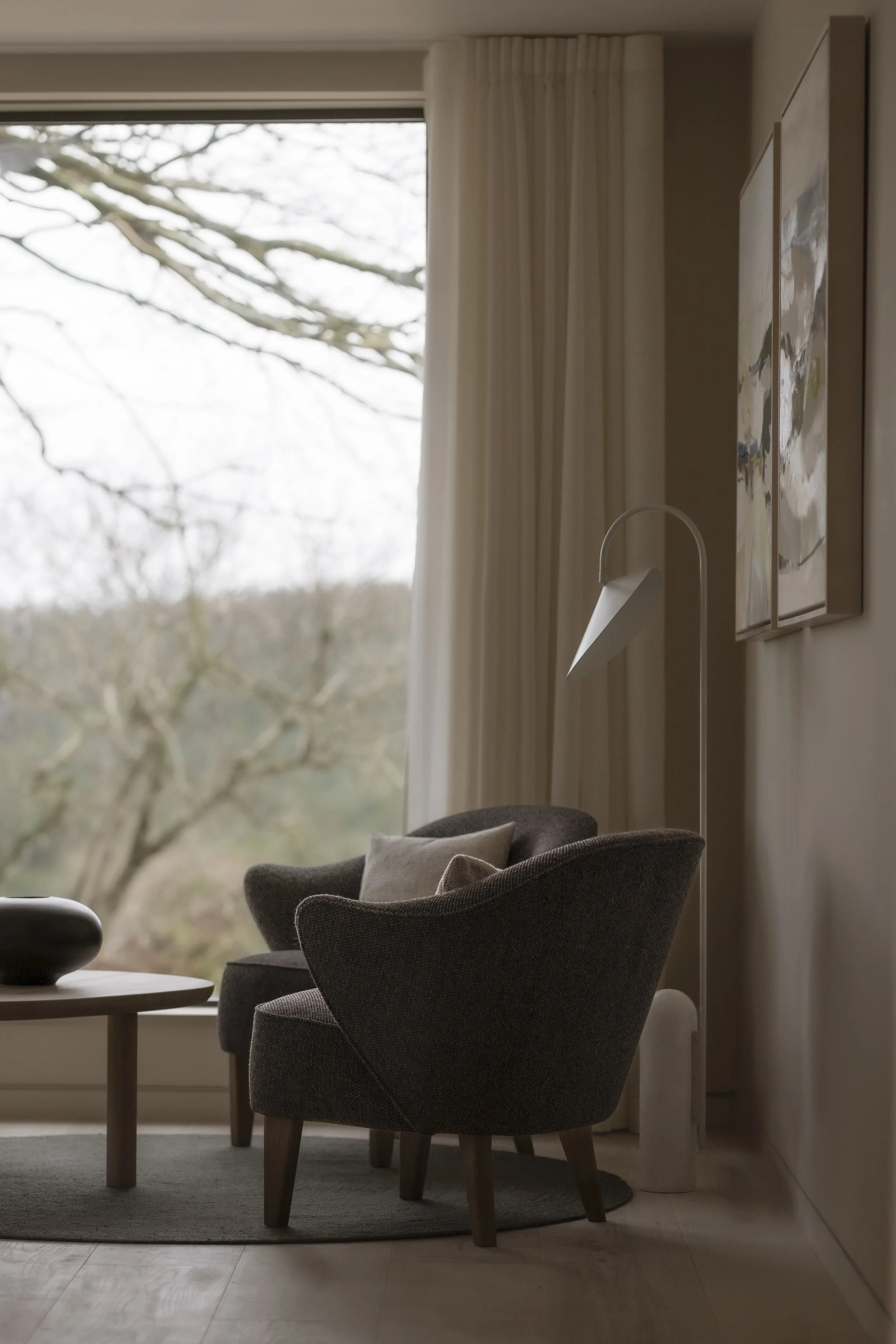
The theme of slow living resonates with us — what does slow living mean to you?
Slow living is about intention. Choosing fewer, better things. Designing spaces that support calm and clarity. It’s about being present in your surroundings, creating moments of quiet, and allowing nature to guide how we live and design.
Are there particular places or cultures that have shaped Koto’s aesthetic or values?
We draw inspiration from the natural character of each location we work in — its textures, materials, and context. Landscapes often inform our palette and form, helping us create spaces that blur the boundaries between indoors and out.
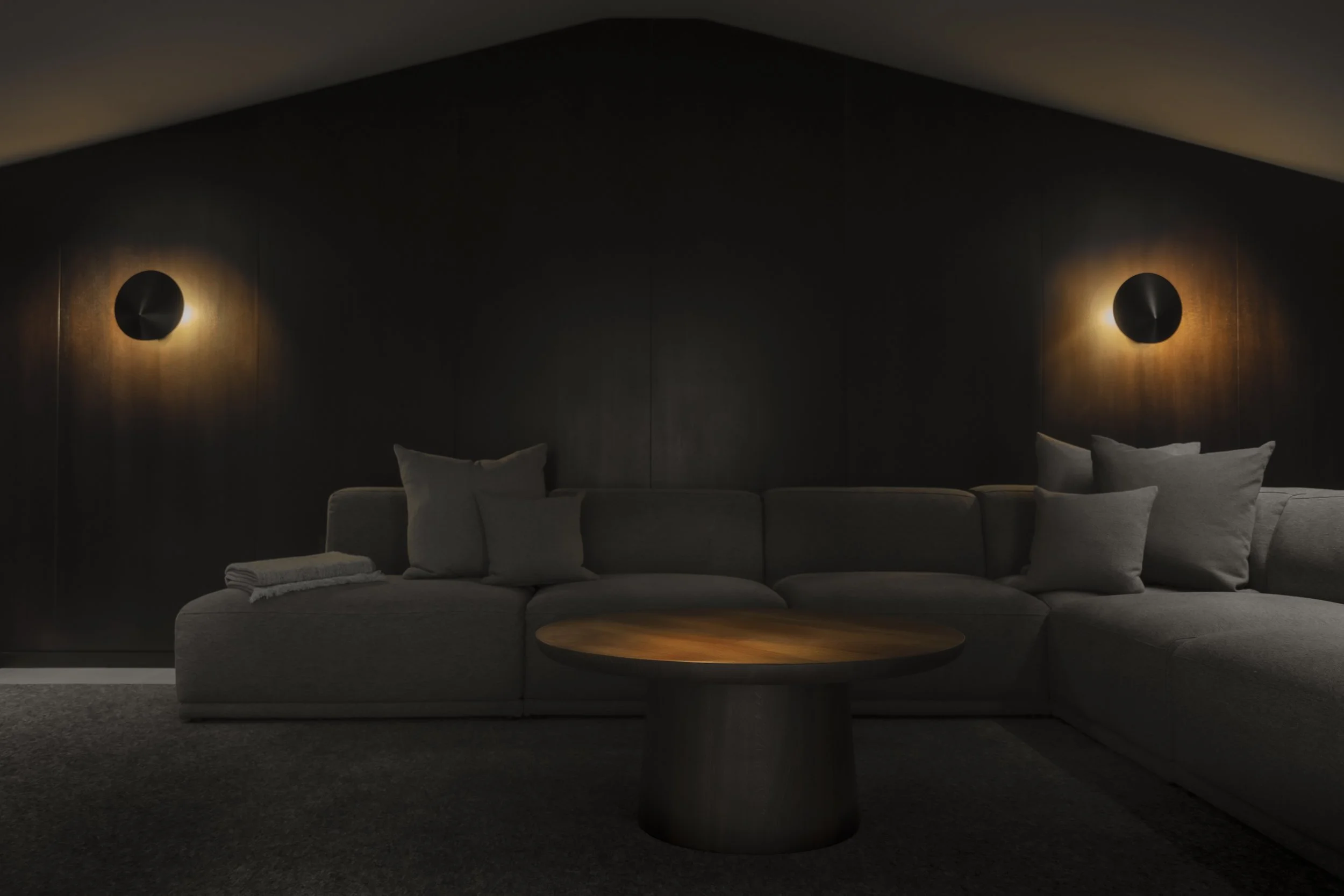
How do you balance creating timeless, lasting pieces while still keeping the brand fresh and evolving?
We evolve through material exploration and collaboration. While our foundation remains constant, each project brings new opportunities to reinterpret our principles in fresh ways. Our work at Battersea Power Station is a good example: blending modern design into a historic building while honouring its original character and sense of place.
What’s been one of the most rewarding moments for you since starting Koto Living?
Hearing from clients that their home feels calmer, lighter, or more harmonious after our work. Design can profoundly shape daily life, so knowing we’ve contributed to someone’s wellbeing is incredibly rewarding.
And on the flip side — what keeps you motivated on the hard days?
Remembering our purpose: to create spaces that genuinely improve how people live and feel. And, of course, the people we work with. Collaboration, creativity, and shared values make even the busiest days meaningful.
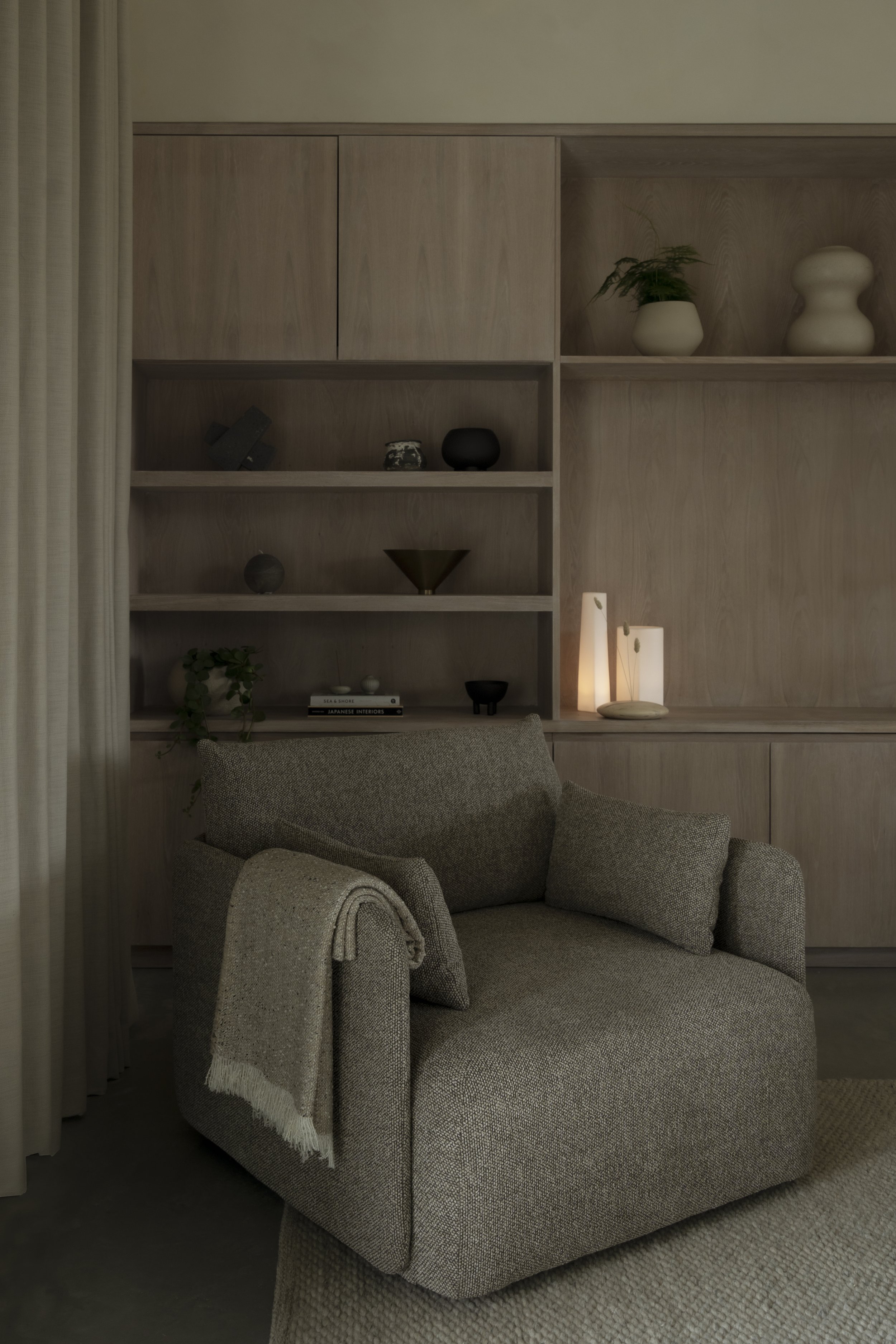
Looking ahead, what do you hope people remember or feel when they think of Koto Living in five or ten years?
We hope Koto Living is remembered for timeless spaces that foster calm, connection, and a strong sense of place. If our work continues to bring people closer to nature — and to themselves — we’ll know we’ve done something worthwhile.
