
Iñaki Viladomat and the Quiet Art of Seeing
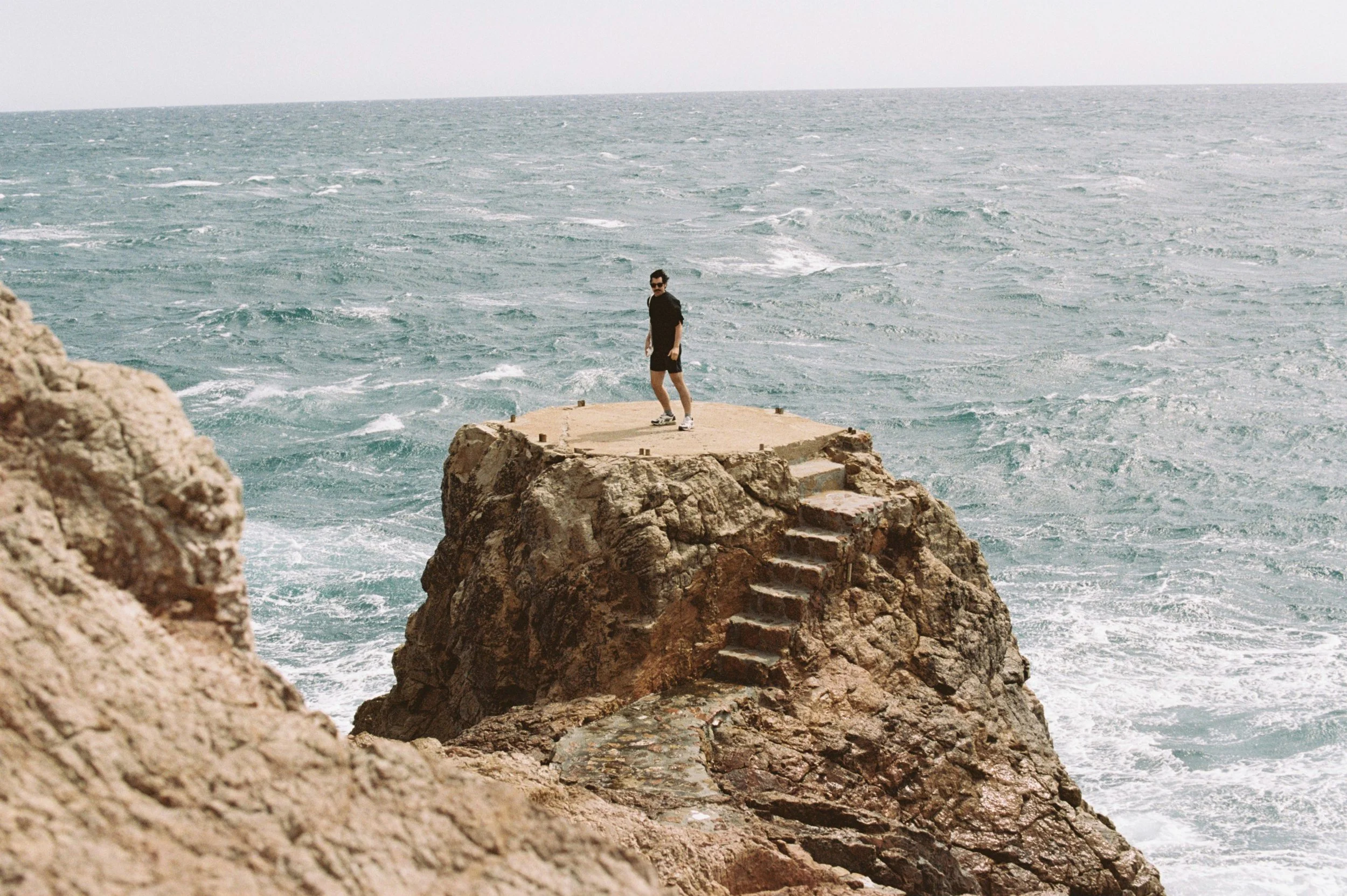
Iñaki Viladomat By Mariel Lozano
Iñaki Viladomat is a producer and photographer whose journey has taken him from the vibrant streets of Mexico to the historic avenues of Paris, London, and now Barcelona. His work is marked by a gentle sense of observation and a poetic attention to the quiet moments that often go unnoticed. Through his lens, everyday scenes are transformed into meditations on light, memory, and belonging.
In this conversation, we explore not only places and images but also the subtle rhythms and moments that shape a creative life.
You’ve lived in Paris, London, Mexico, and now Barcelona, each place with its own light, its own rhythm. How has moving between these places changed the way you see and the way you feel?
Living in different places makes you see and think differently. Every place has its own culture, pace, and language, which shifts your perspective on how you act and perceive the world on a daily basis. In London, for instance, the rhythm is frenetic, but the light is always filtered by clouds or rain, which usually puts you in a gloomy mood. Mexico, on the other hand, is, in general, brighter in every aspect, which puts you in a more upbeat mood. In Barcelona, it’s a good balance of nature (sea and mountains) and a rich architectural and historical heritage.
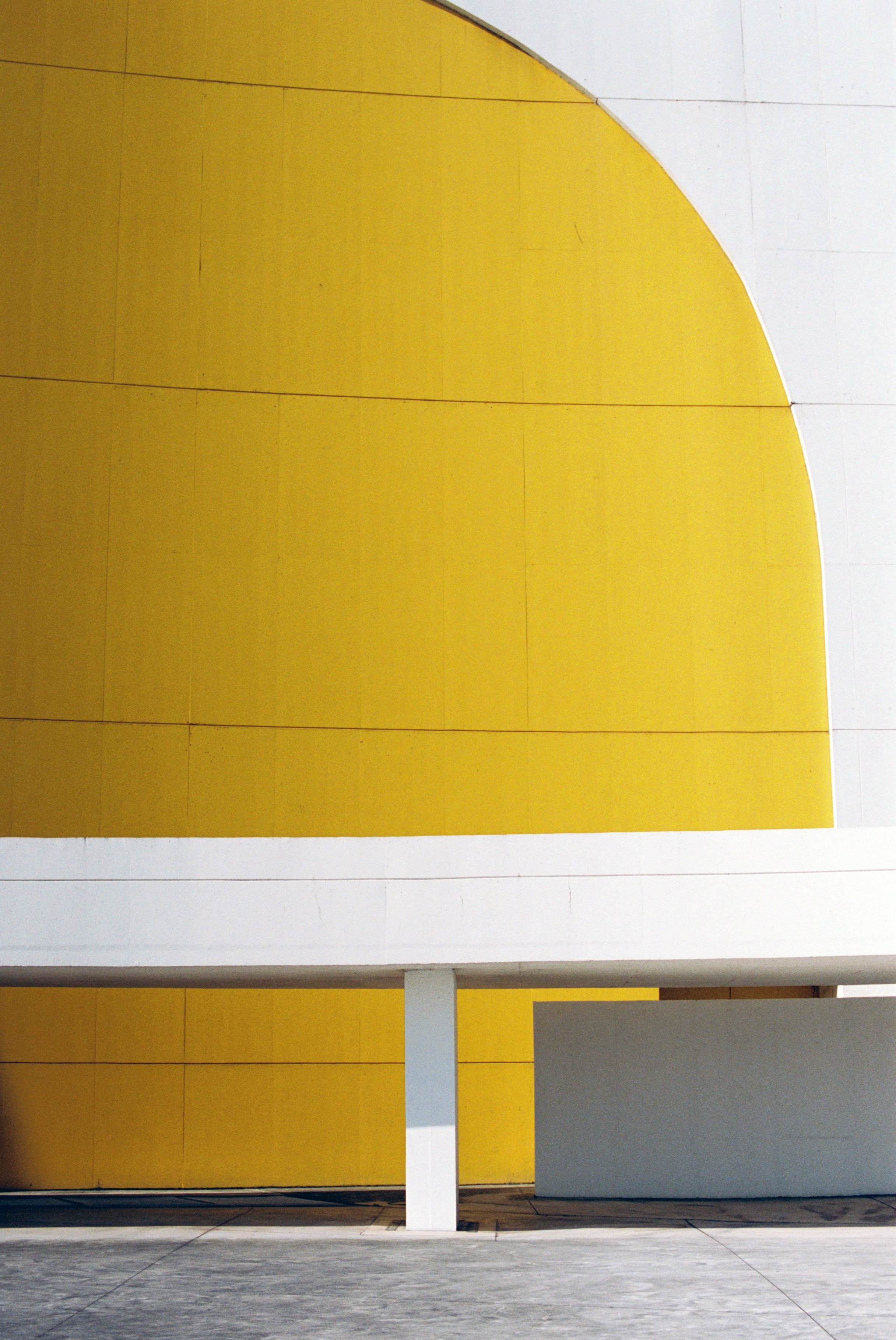
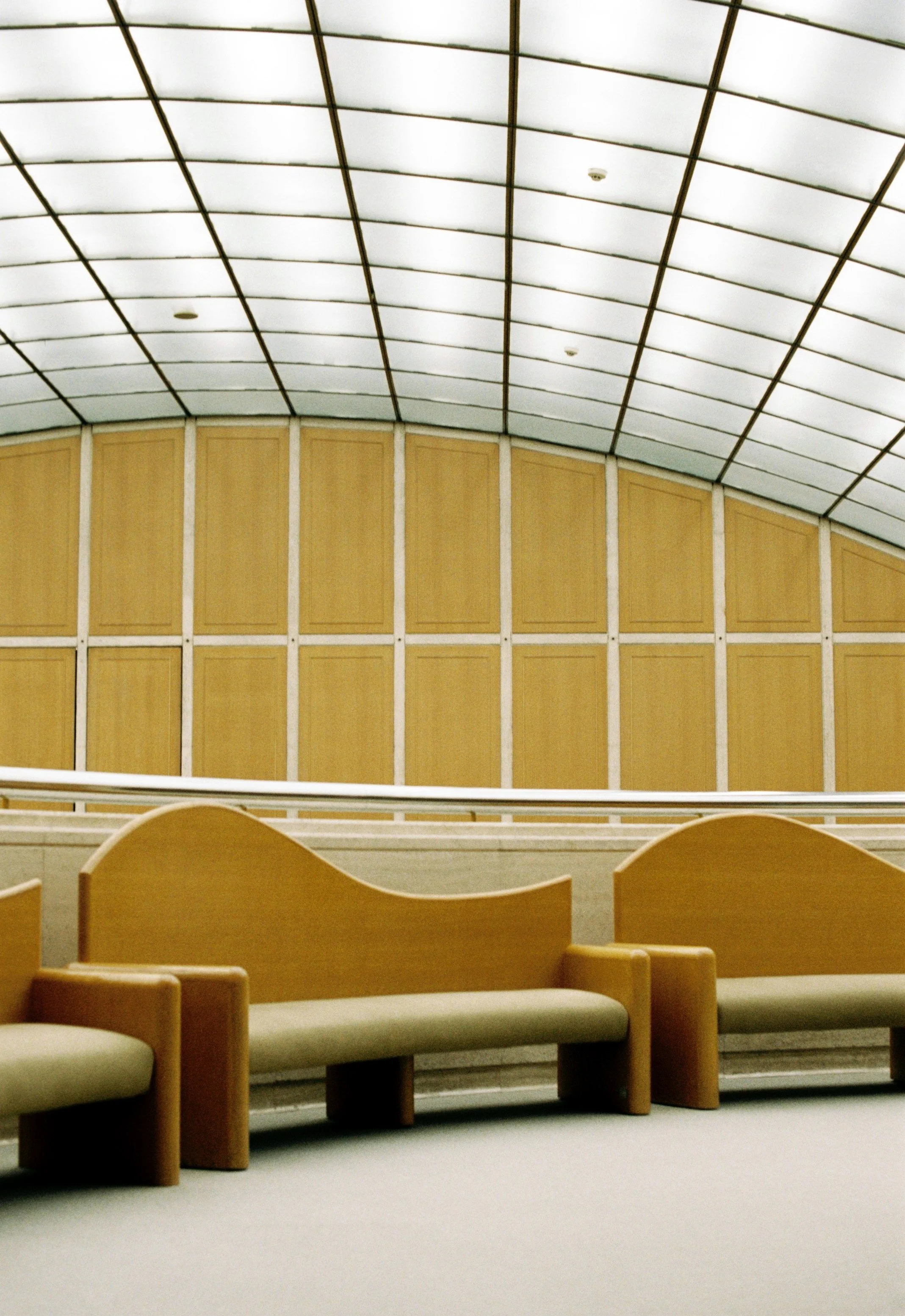
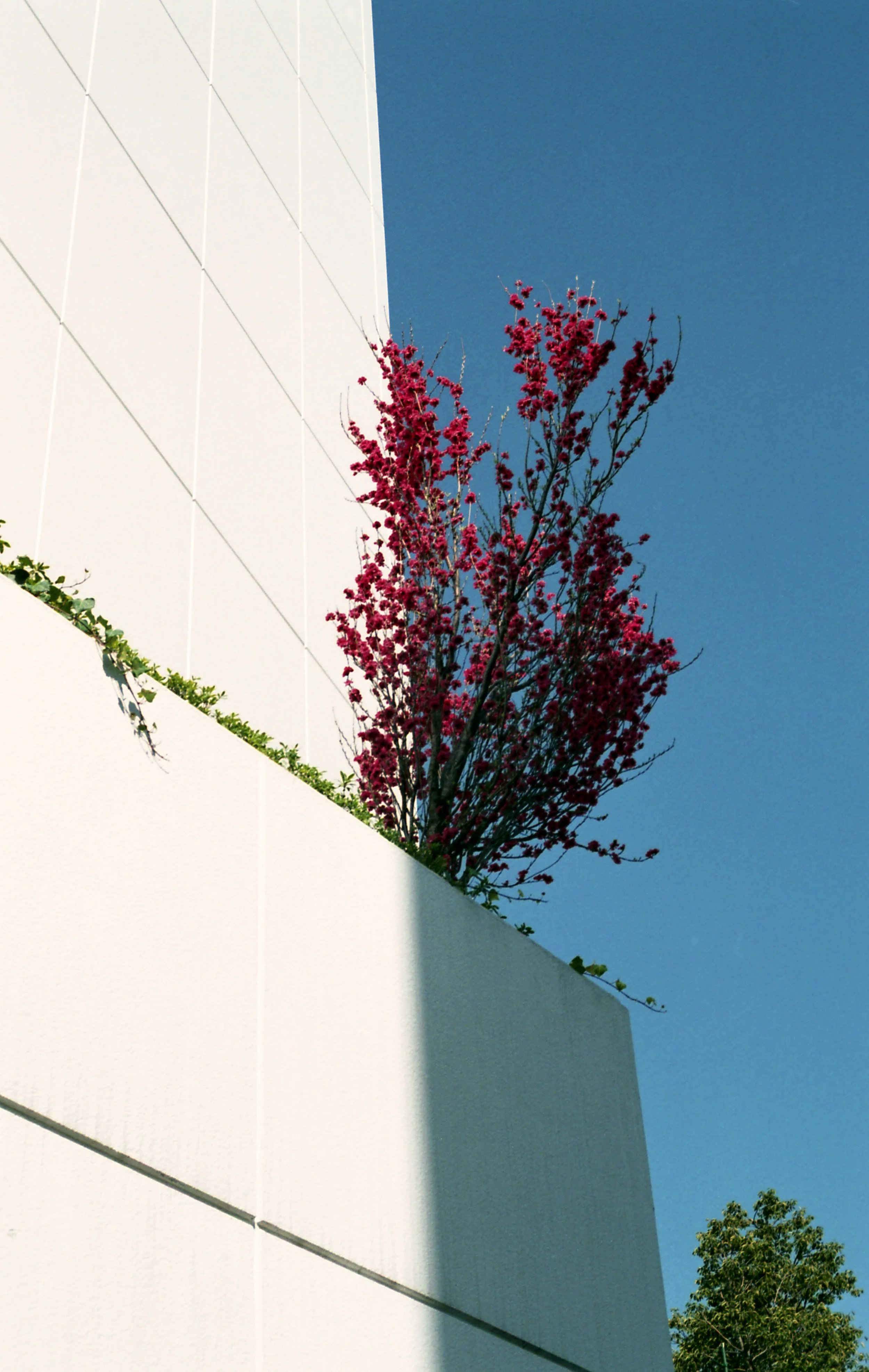
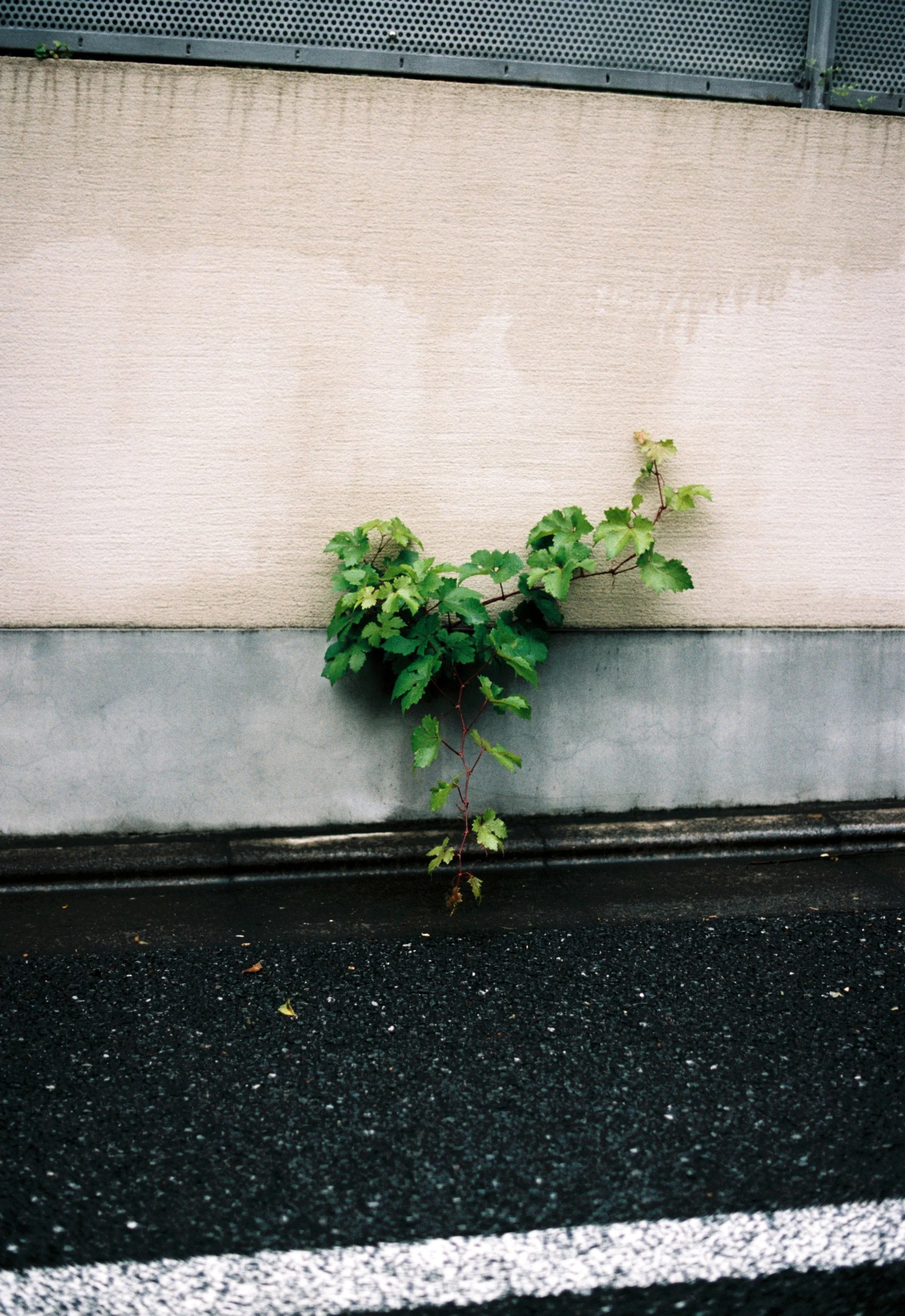
Your images often carry this quiet sense of longing. Do you recognize that feeling when you shoot, or does it reveal itself only later? Or is it only me seeing that?
I think that photography is a way of remembering, probably the one that feels more personal to me (rather than writing a diary, for instance), and when I take images, it’s usually of trips I either do for work or for pleasure. On these trips, I always have in the back of my head a sense that it's all futile, that every instant when I can capture a photo is there and only there, and then gone. I think this futility is what ignites the future longing you see in my images, and often, looking back at them, I also get this feeling of nostalgia... of seeing a past that was there and is forever gone, with only these frames as a record of it having happened.
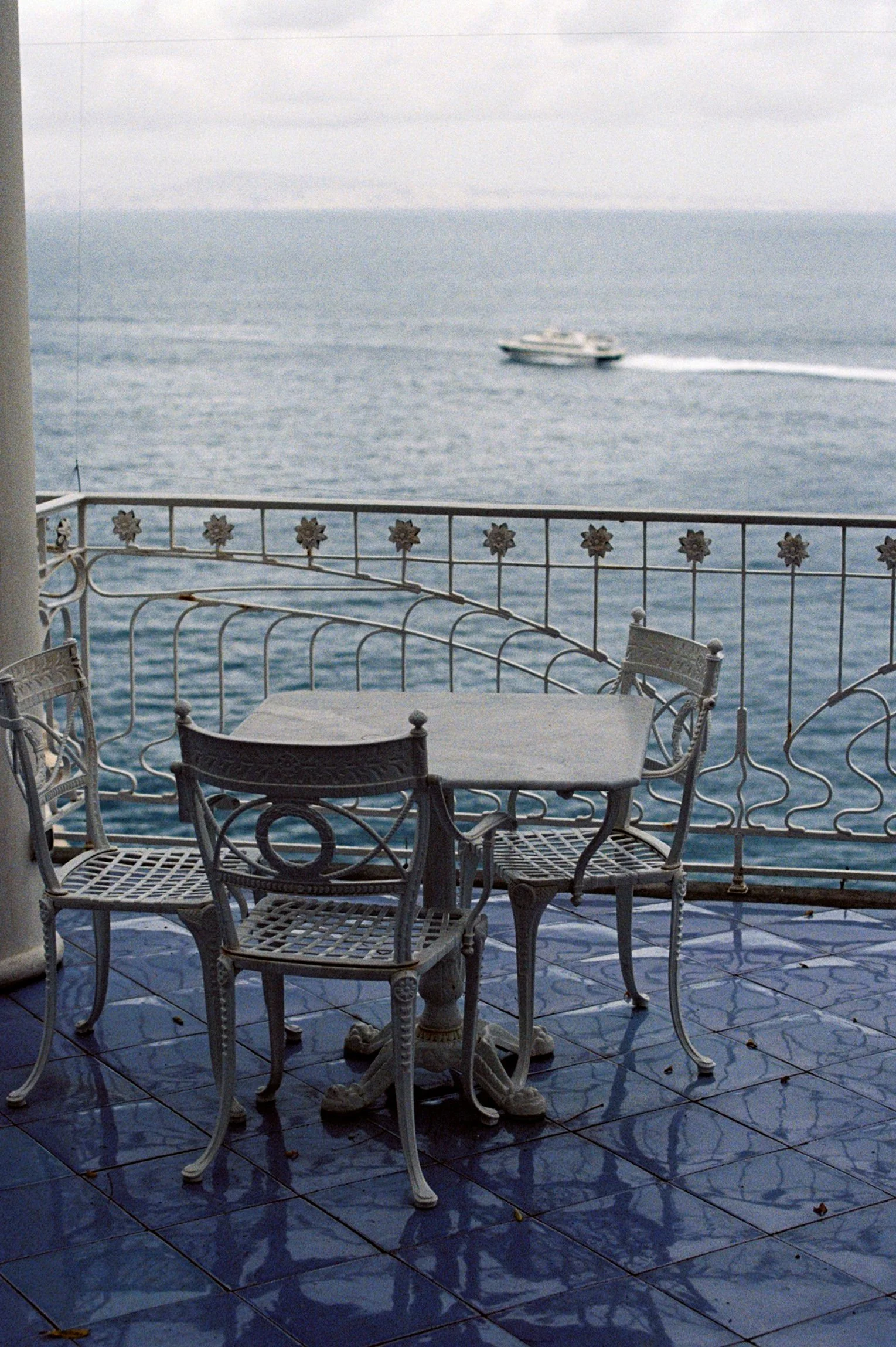
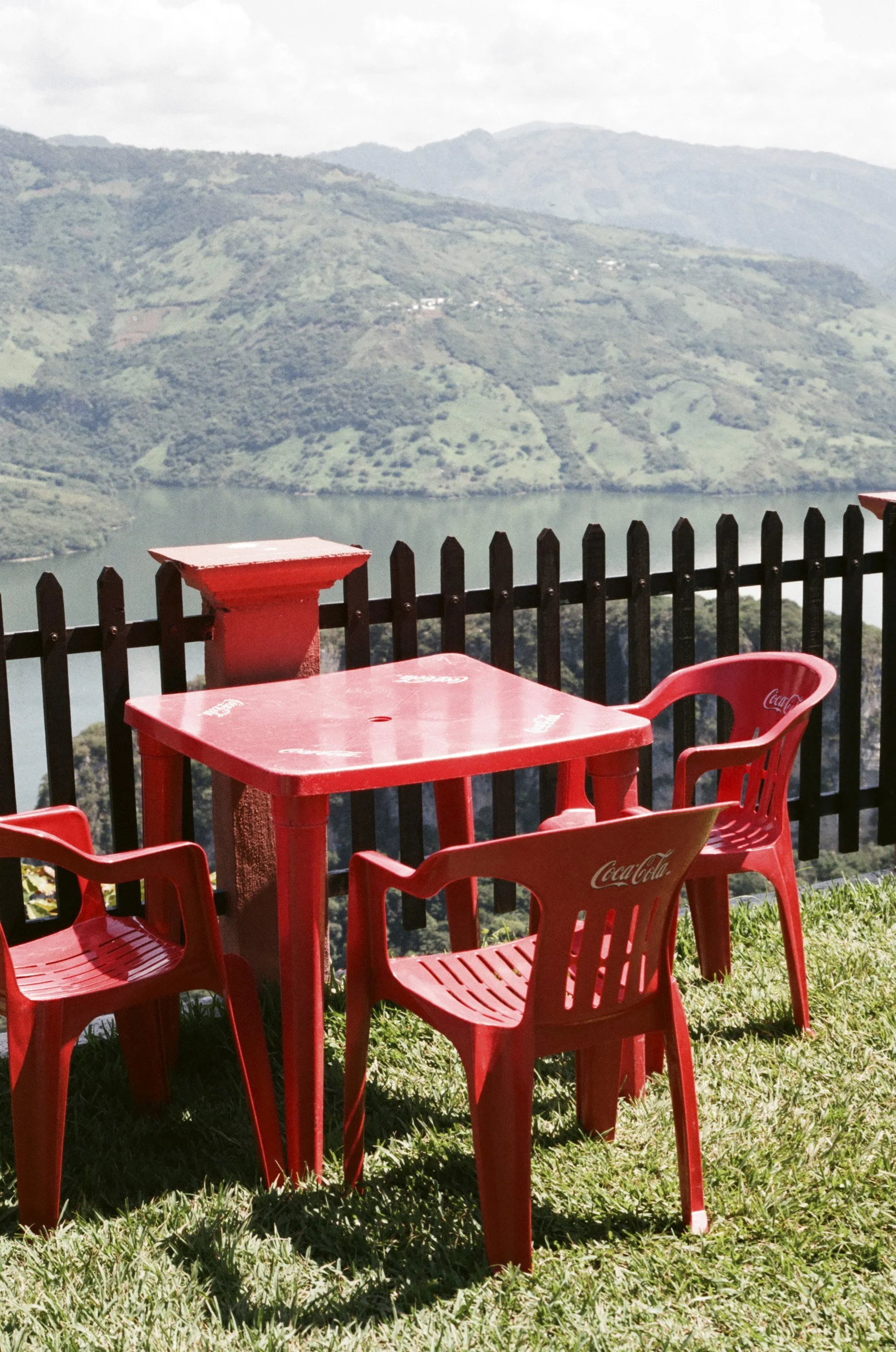
There’s a stillness in your work that feels very intentional, and it is almost meditative. Do you appreciate moments of slowing down in life? Describe your perfect slow weekend. Which part of the world would it be?
I tend to be very work / productivity-oriented, so I’m still learning to slow down. However, every day I have small moments of slowing down, such as playing tennis or cooking dinner while listening to music. I think there’s this hyper connectivity of having the phone always at reach that makes it hard to slow down or disconnect, as past generations were able to do, which is a shame.
A perfect slow weekend would be spent with my wife in nature, either hiking in the mountains or spending a day at the ocean. It would certainly involve a great lunch with wine, and at night, reading or strolling through the city or a village.
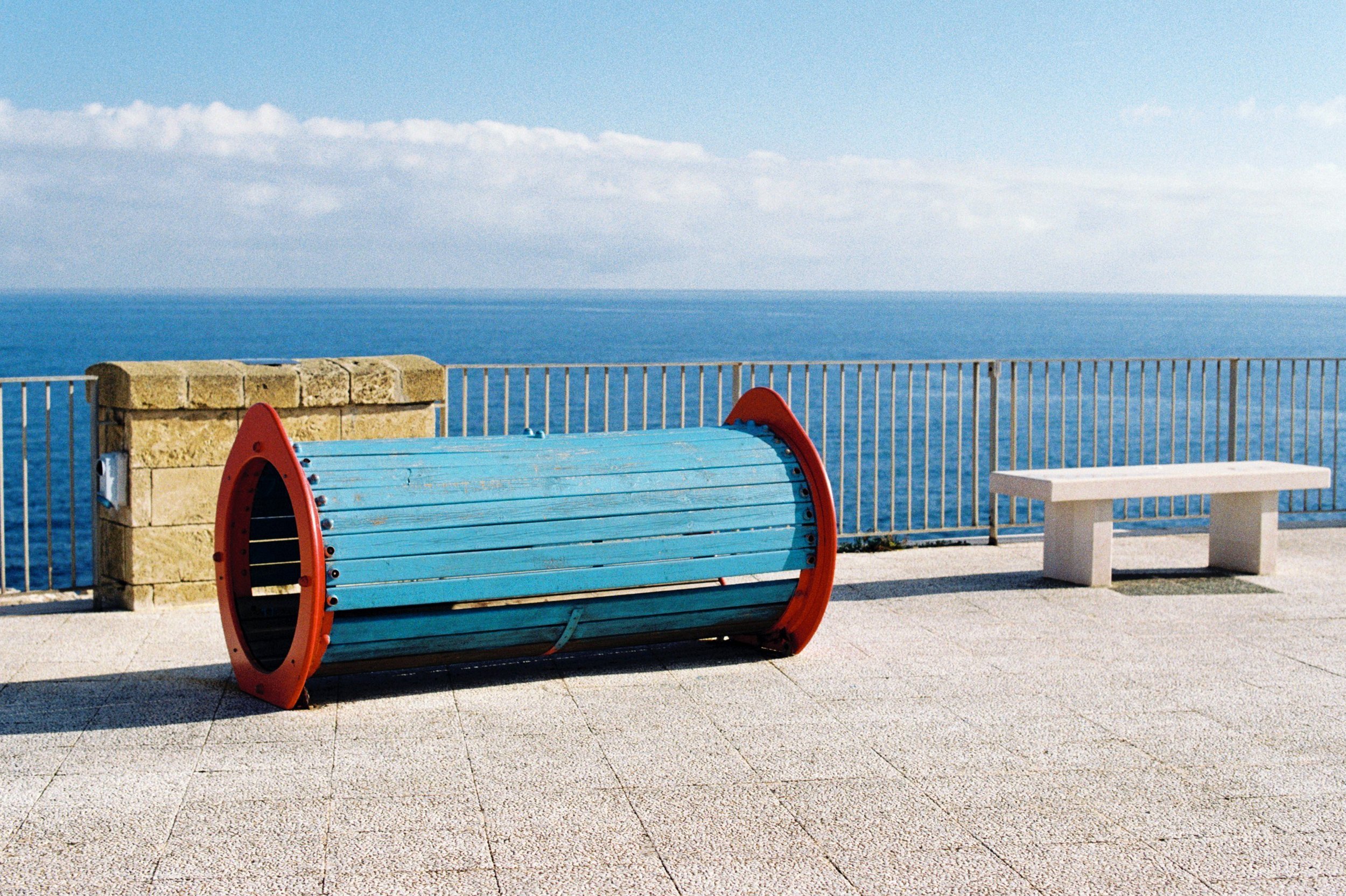
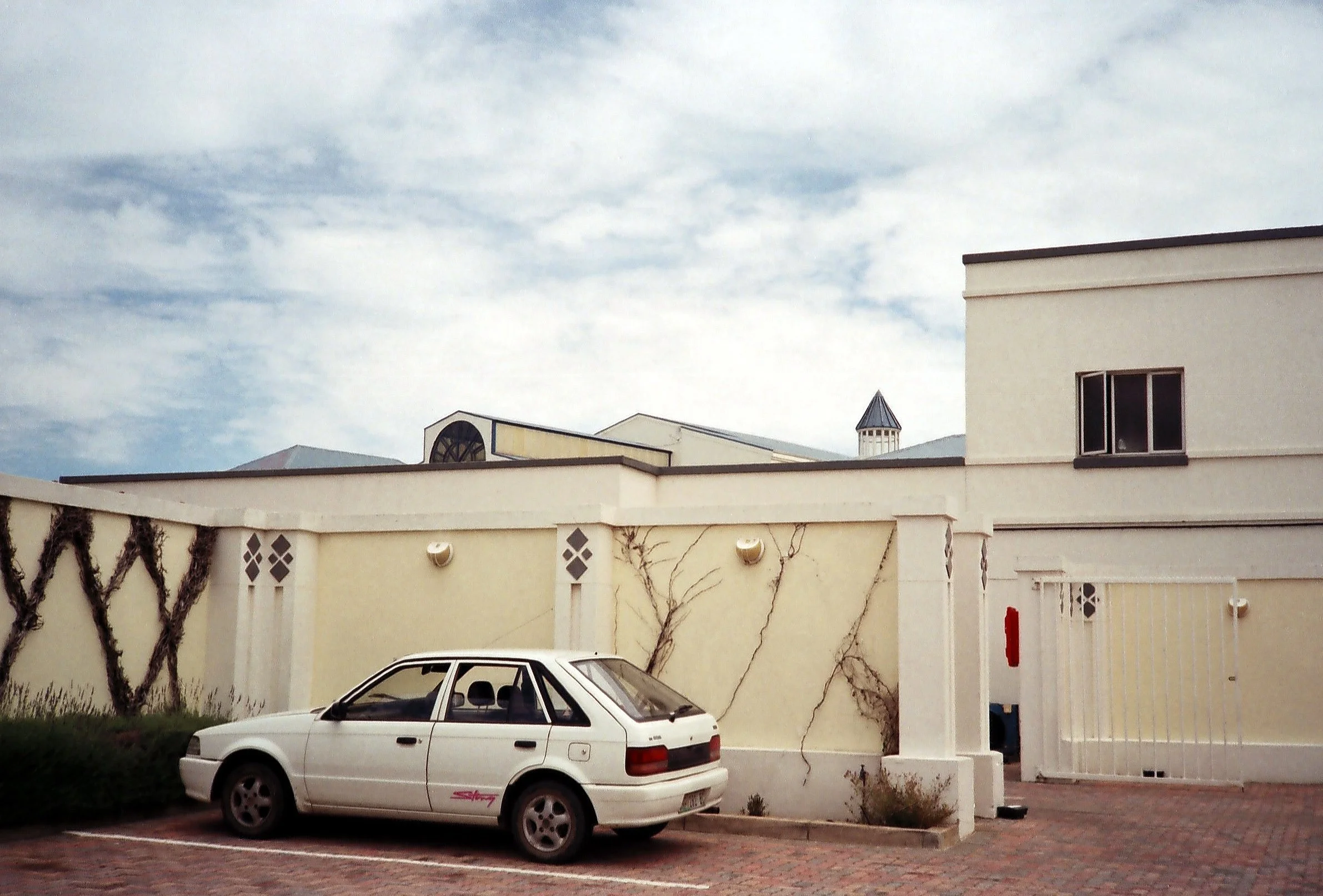
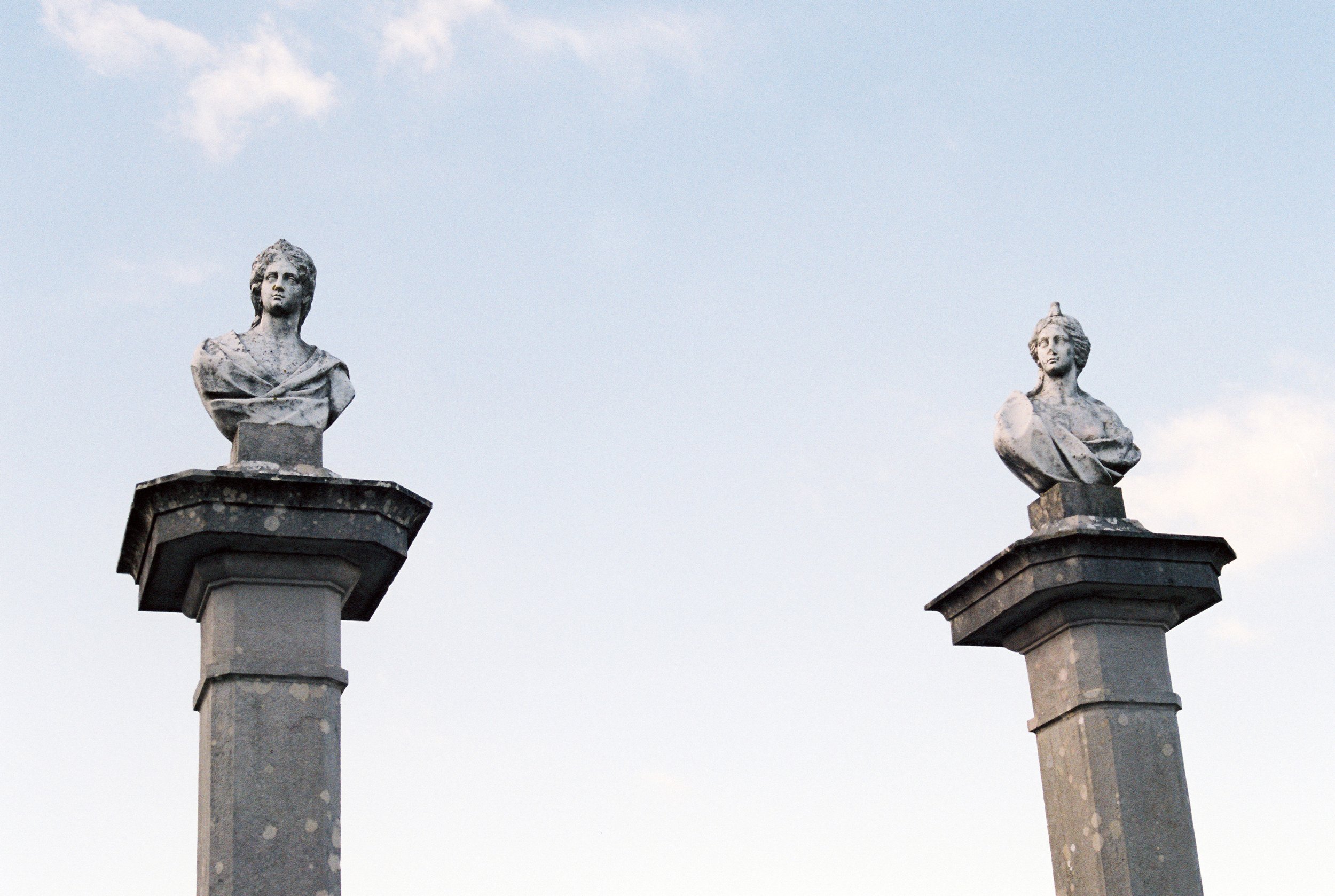
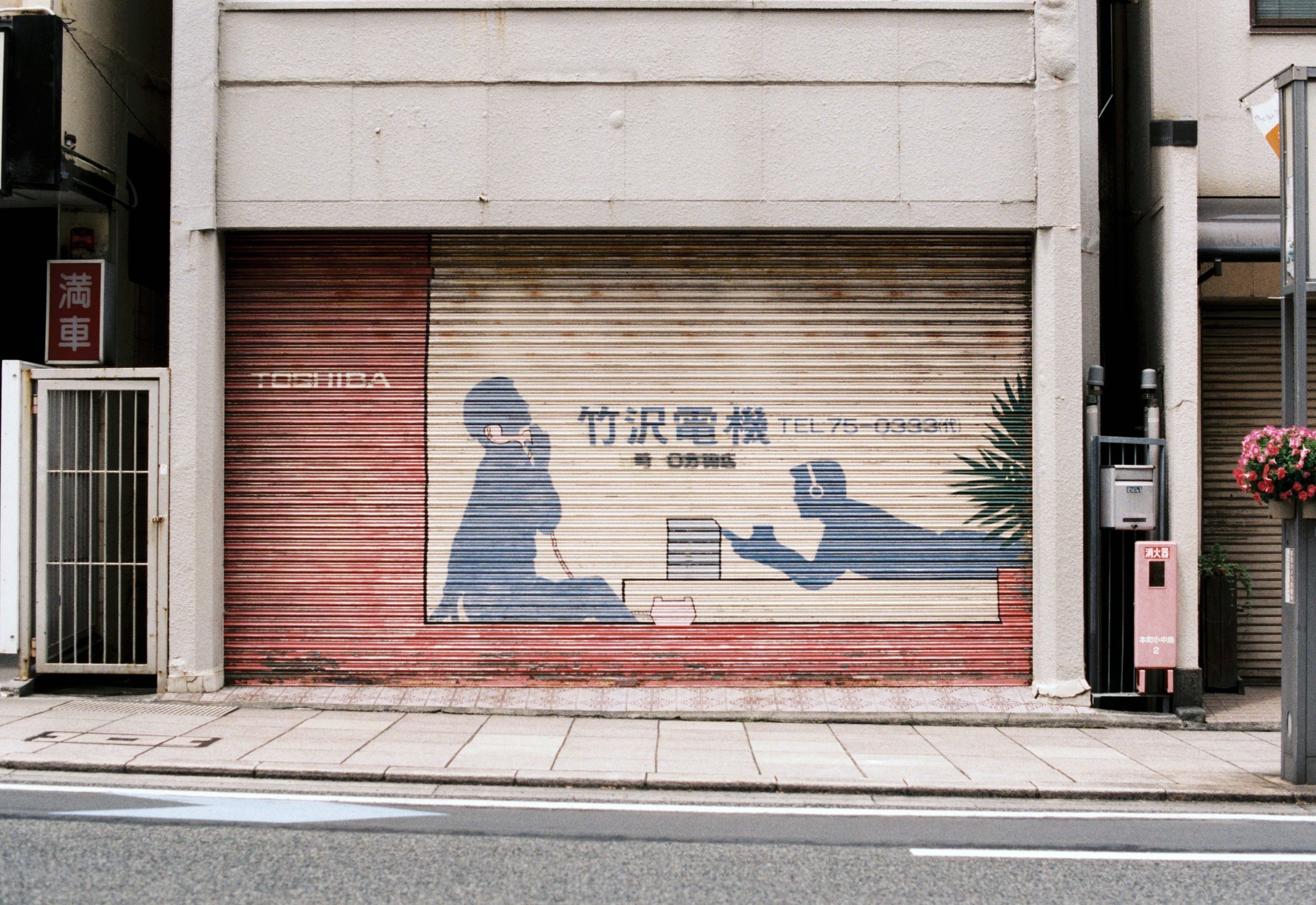
Which of your images is your favorite? Why?
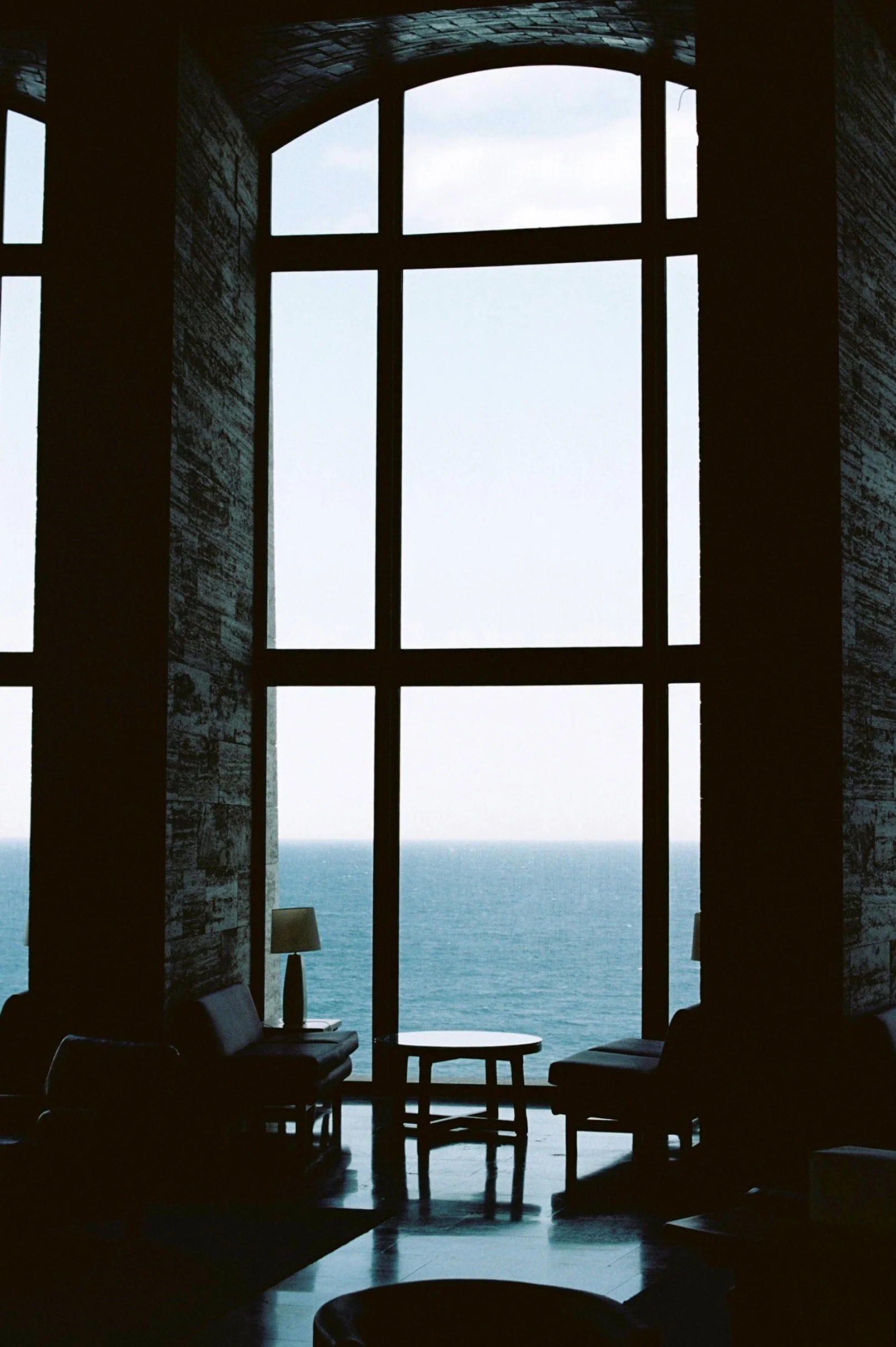
I like the images that are kind of a frame within the frame (usually through a window or a door or something of the like), that make the act of photographing and seeing more obvious as a fiction within reality.
What draws your attention in life, something that you don’t see in your photography, something that you cannot take a photo of?
I’m usually drawn by small details that occur around me on the streets: interactions I see that are often overlooked, conversations of others I randomly listen to, random signs and notes I see on doors or on the floor… I tend to take it all in when I’m walking around (even though I tend to walk very fast) to feel more in the flow of the world around me, which gives me a sense of belonging... not sure if what I’m trying to say makes sense.
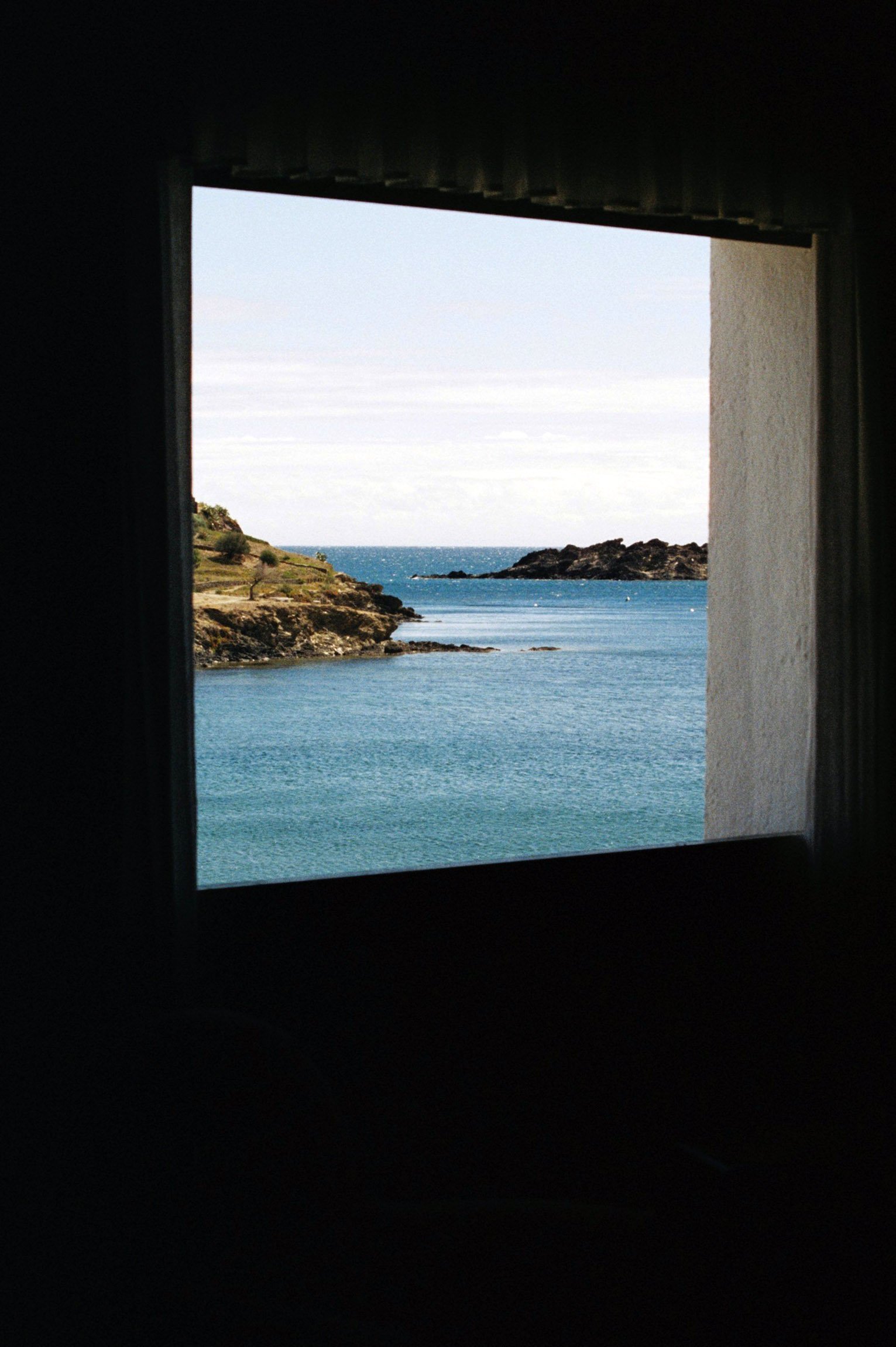
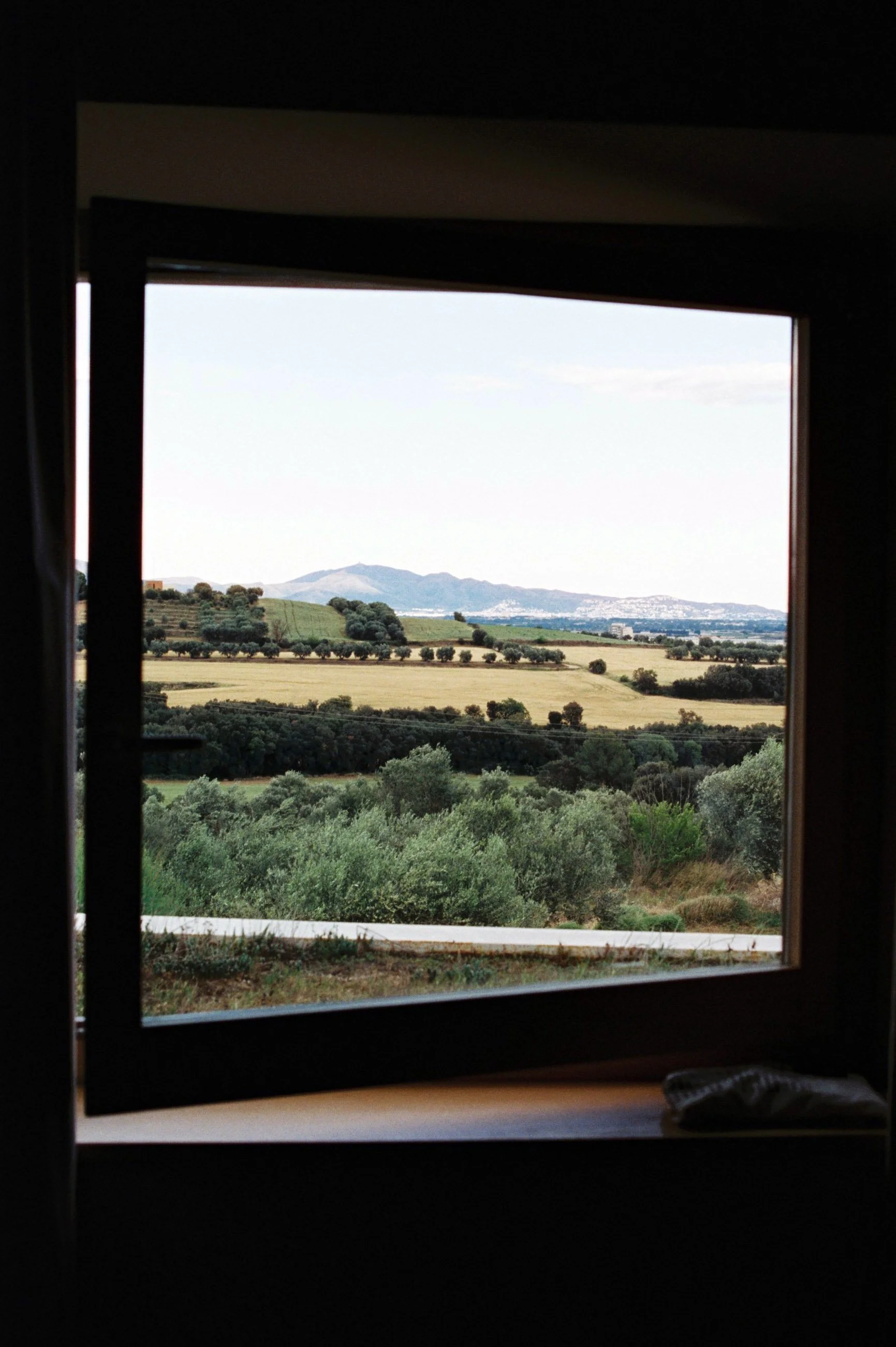
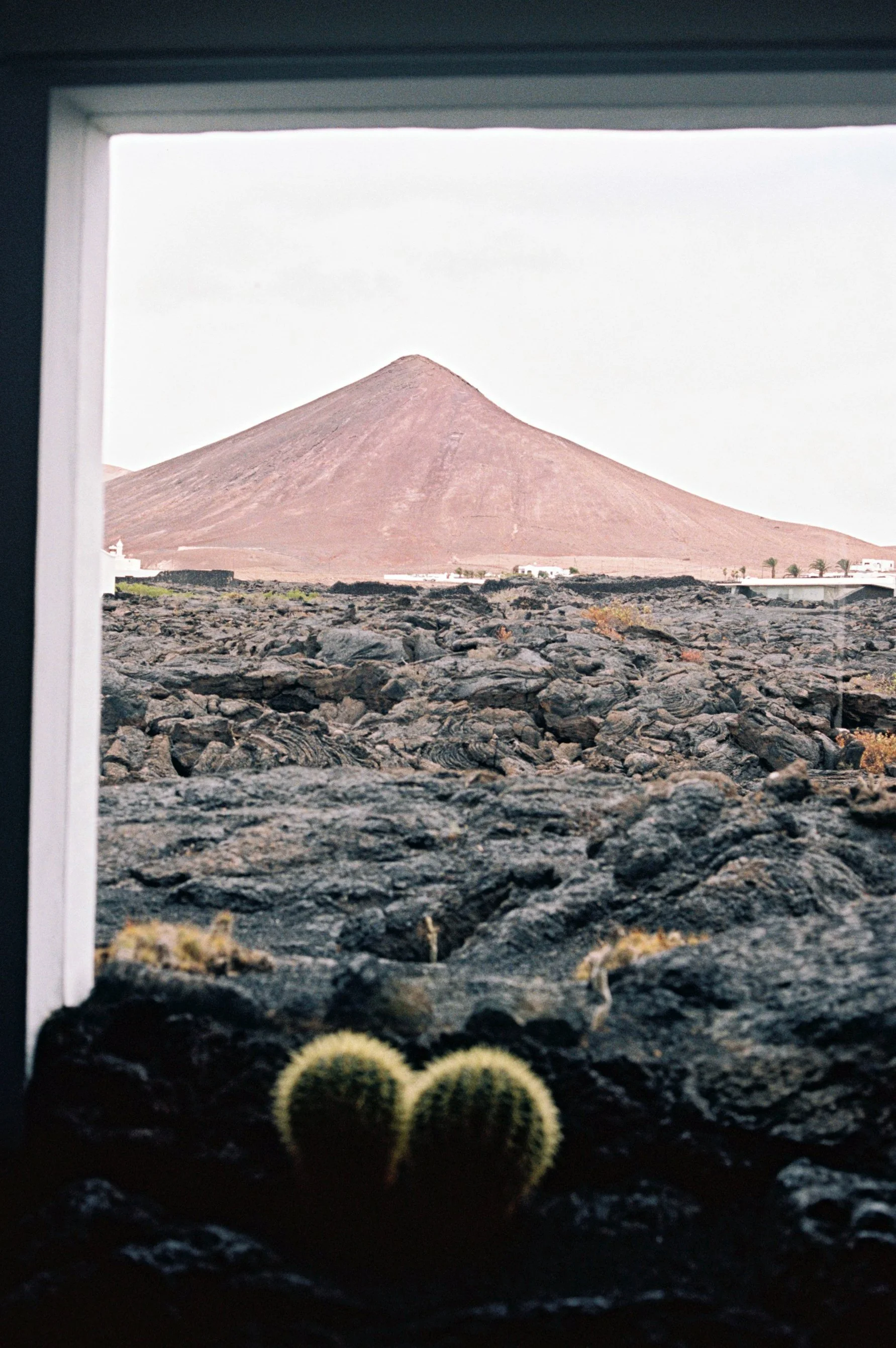
Living in Barcelona now, surrounded by color and sometimes warmth — how has that environment reshaped your creative pulse? Does the light there change your mood, your timing, your sense of what’s enough?
Funnily enough, I tend to never take so many photographs in the city I live in at any given time. It’s like the daily basis or routine is not worth it, subconsciously, to be taken into consideration for my body of work. Of course, I constantly shoot snaps with my phone, but I don’t really make a habit of going out to take photographs as part of my daily routine.
It’s only once I’m out of this daily life that I start carrying my camera around all the time (even though sometimes I feel lazy about it and then regret it). I mostly use a Nikon F5, which weighs quite a lot, so it’s not the most comfortable experience when you are in a new place and walking 20 km a day, whilst also carrying a 10kg camera on your shoulder.
I think my timing changes when I’m in these new environments, as I tend to be even more curious about my surroundings and the new things I’m observing.
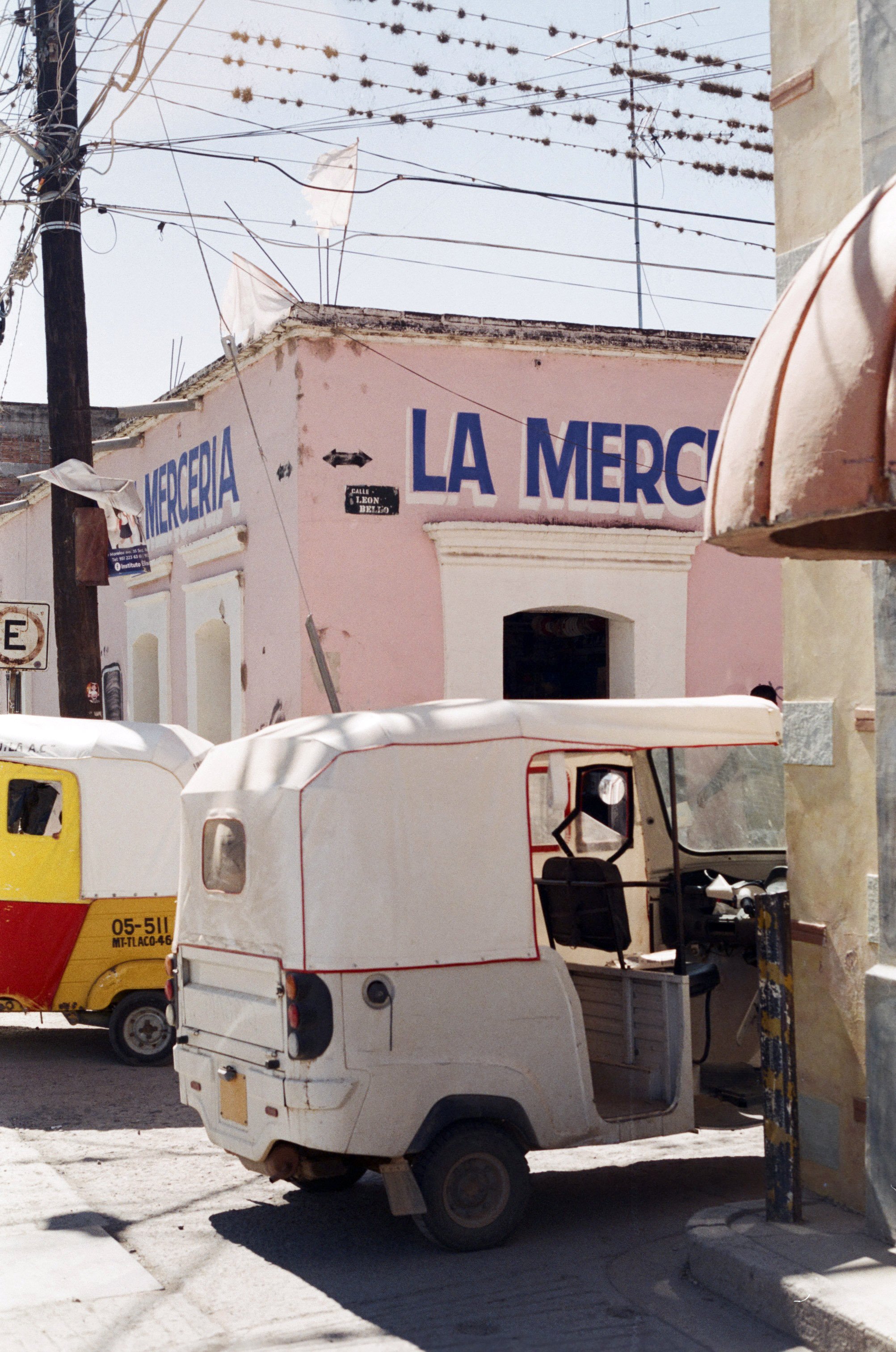
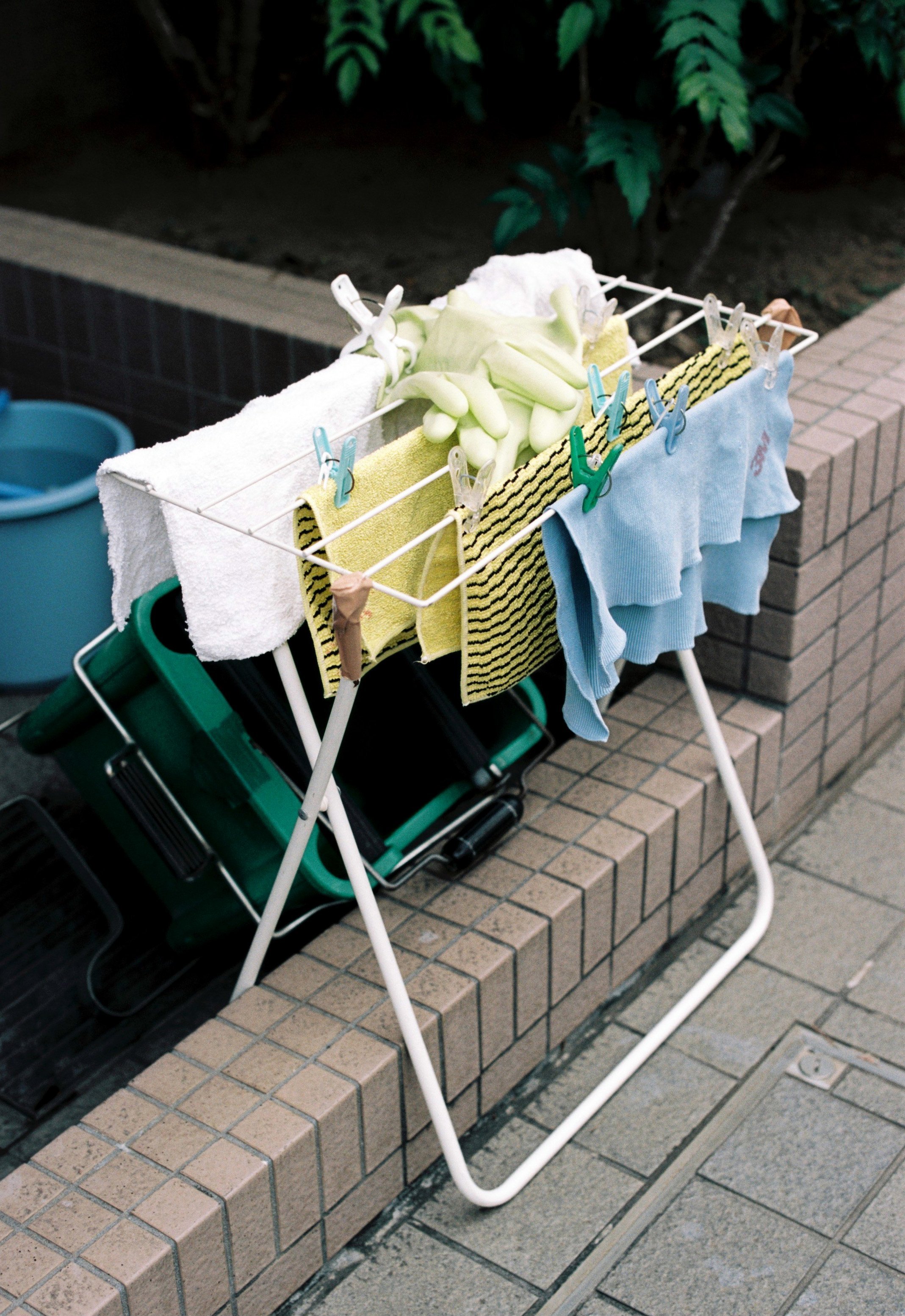
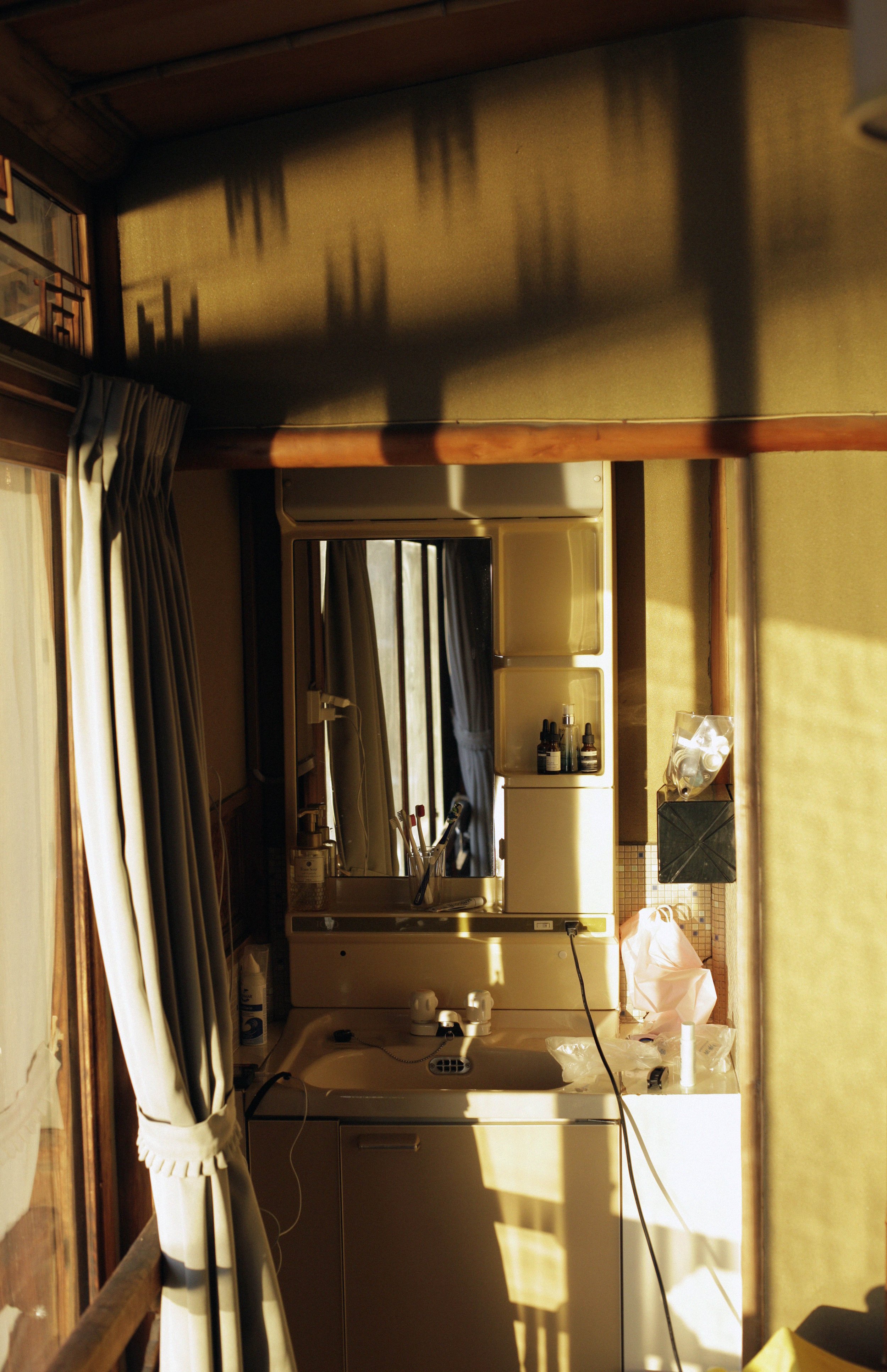
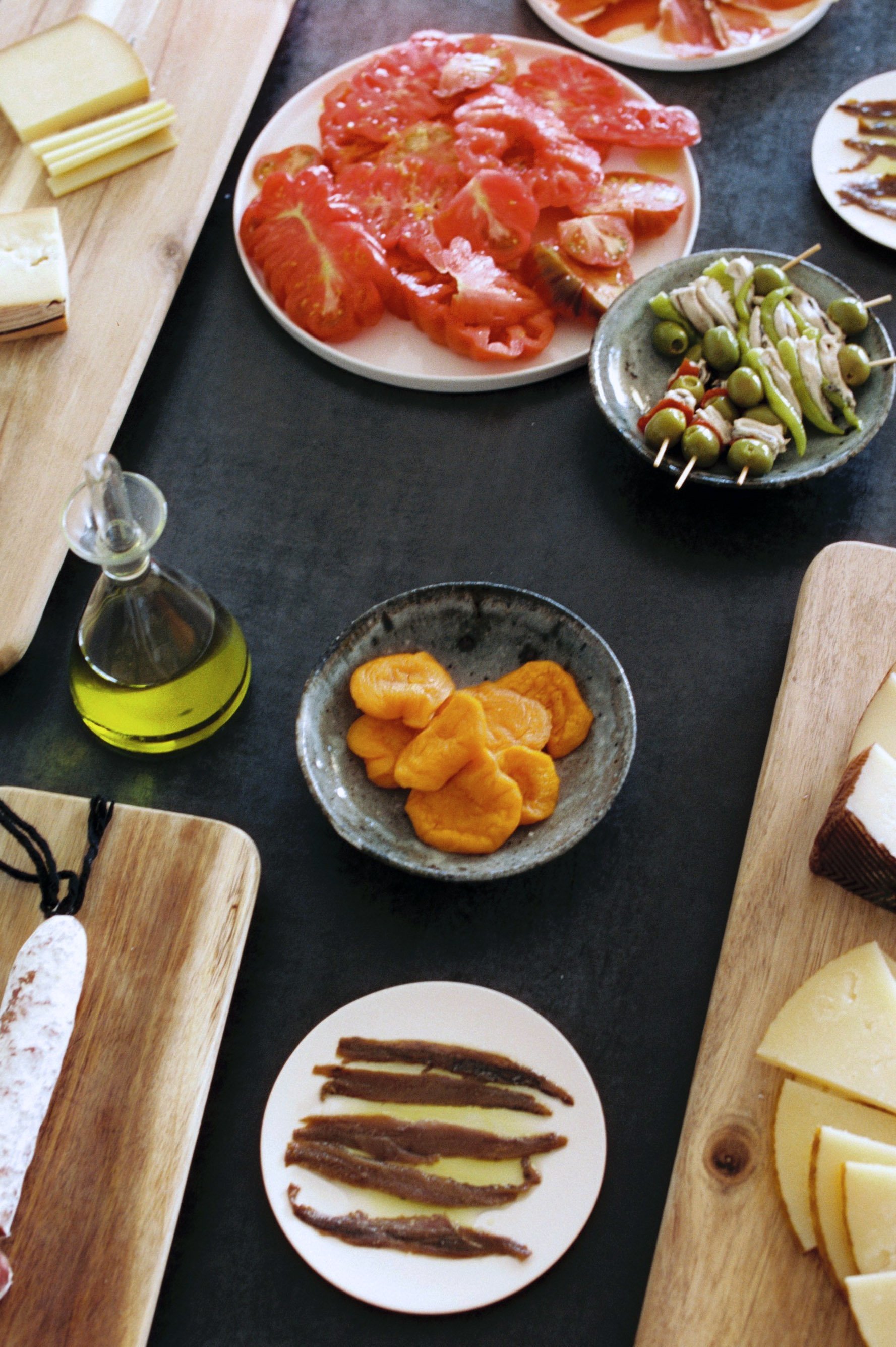
You’ve seen so many cities, met so many versions of yourself through travel. Who are you now — when you’re far from the noise, the deadlines, the expectations?
This is a hard one. I’m someone who is always looking to the future but always being modelled by the past.
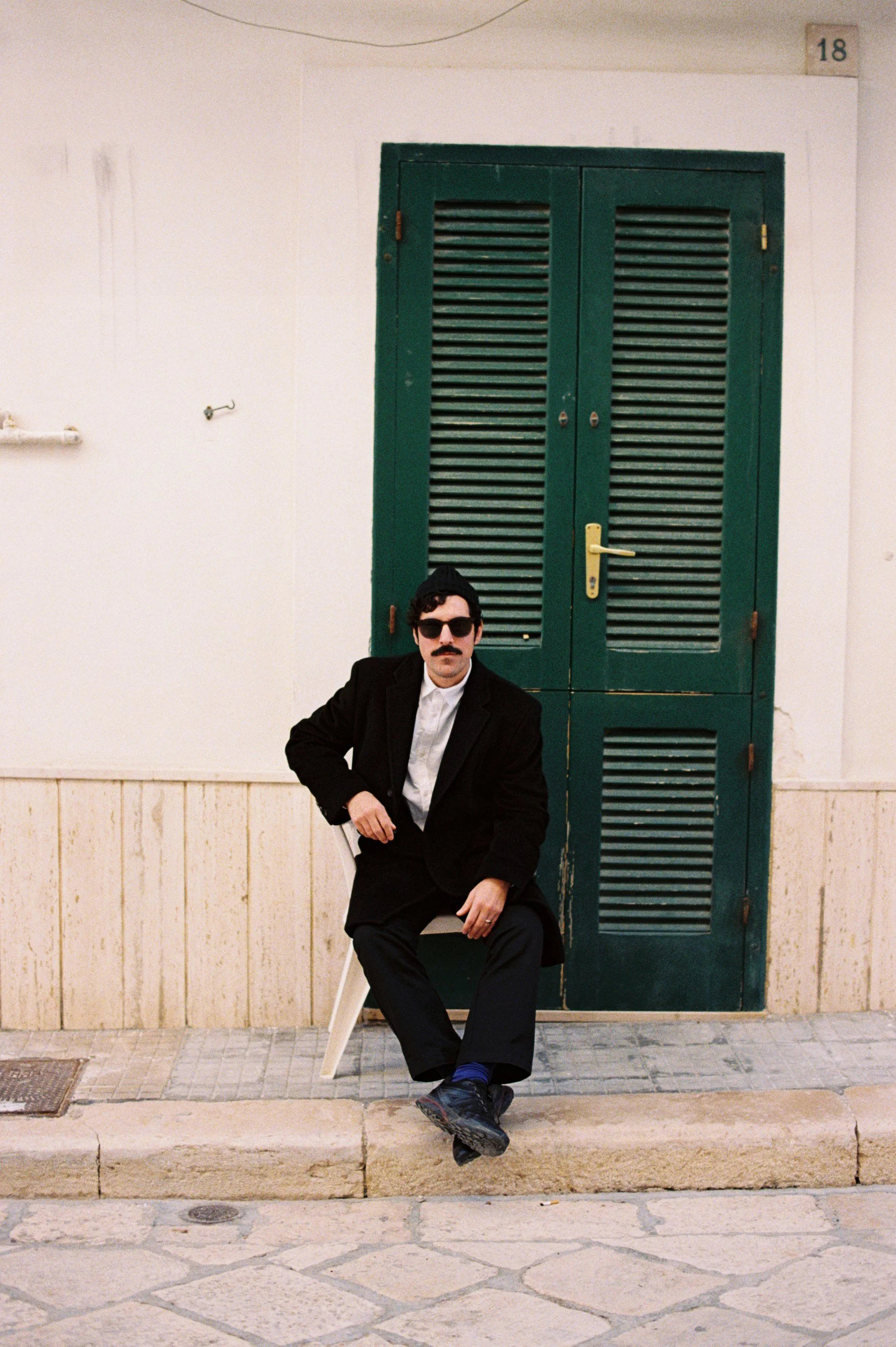
Iñaki Viladomat by Mariel Lozano
If someone looked at your body of work as a kind of diary, what story would it tell about who you are becoming?
It would tell the story of someone who likes to be always on the go, who has been lucky enough to see a few places around the world.
What do you think the world needs more of right now?
More empathy, more kindness and more social openness.
