
Gintarė Jankauskaitė: Creating Fashion as Art with Care, Awareness, and Intention
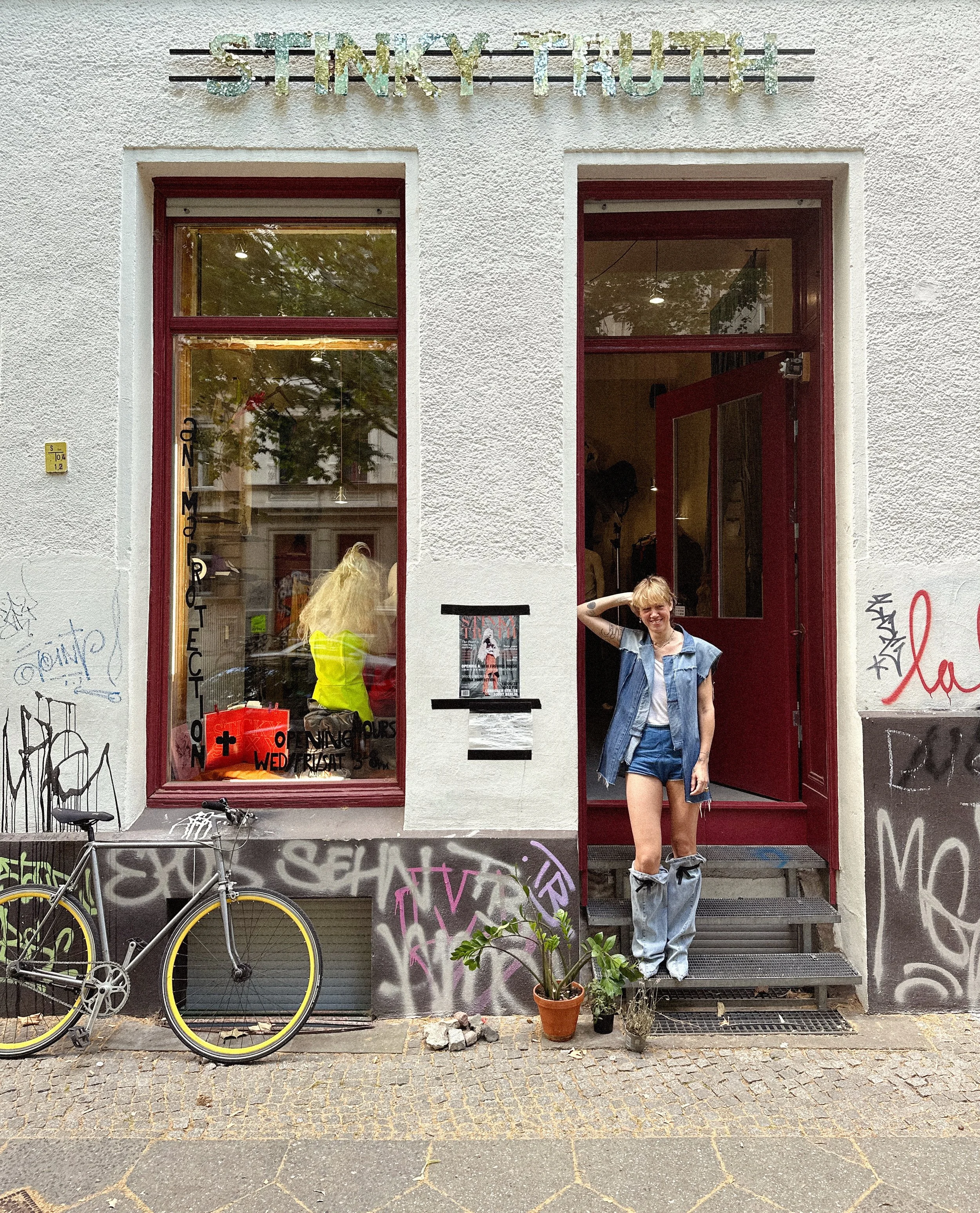
Gintarė Jankauskaitė in Kreuzberg, Berlin by Lina Lapin / Unalike
In a quiet corner of Kreuzberg in Berlin, where concrete edges soften into a creative refuge, Gintarė builds her world slowly, almost intuitively. Her work does not begin with fabric, nor with trend forecasts or seasonal demands. It begins with a feeling, an inner pulse that insists on being translated into form.
Her label, Anima Protection, carries a name that feels more like a philosophy than a brand. “Anima,” she explains, is a fragment of the soul, a vital force. “Protection” follows naturally, a response, a responsibility. Together, they shape a practice rooted in care: for the self, for others, and for the environment. The brand was created together with her sister Lauryna Jankauskaitė, and today Gintarė continues this journey from within her own boutique, Stinky Truth, where her pieces find their way directly to those who seek them. Fashion, in her hands, becomes both shield and expression.
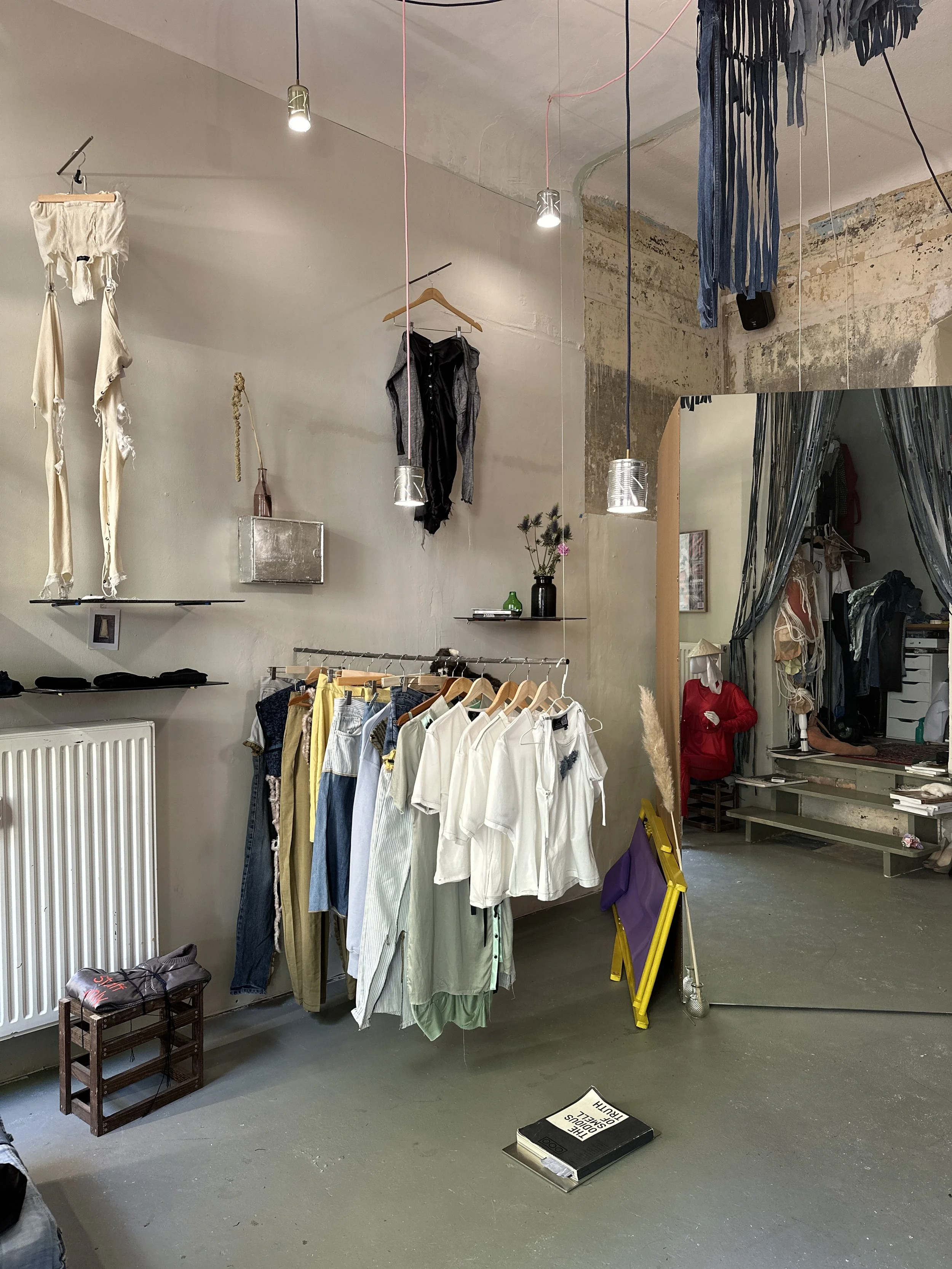
In Berlin, a city that quietly permits freedom without spectacle, Gintarė has found space to expand. “Here, you can be anything,” she says, not with grandeur, but with a kind of calm certainty. That freedom seeps into her garments. They are not fixed objects, but living forms, pieces to be worn, re-worn, turned, adjusted. A dress might become a top; a detail might shift its meaning entirely. For her, clothing is not static. It invites play.
This openness extends into her process. She does not design for seasons. Instead, she follows inspiration as it comes, through art, memory, materials, or chance discoveries. Often, these discoveries are second-hand garments, collected in bulk, each carrying traces of a previous life. Rather than discarding them, she listens. A worn sleeve, a tear, an unexpected texture – these become starting points. “I don’t want the garment to die,” she says. “I want part of it to stay.”
There is something deeply human in this approach. In a world of excess, where clothing is often worn only a handful of times, Gintarė insists on longevity - not just in durability, but in emotional value. Her pieces are meant to be cherished, to evolve with the wearer, and to gather meaning over time.
Yet her work is not only about sustainability. It is also about dignity. Early experiences with traditional fashion shows left her unsettled - models moving on a catwalk, reduced to silent carriers of someone else’s vision. In response, she reimagined the runway. Her presentations resemble performances, sometimes even social experiments. Models sing, interact, improvise. They are not objects but participants/co-creators of the moment. “Clothes need a person,” she says, “and a person needs character.”
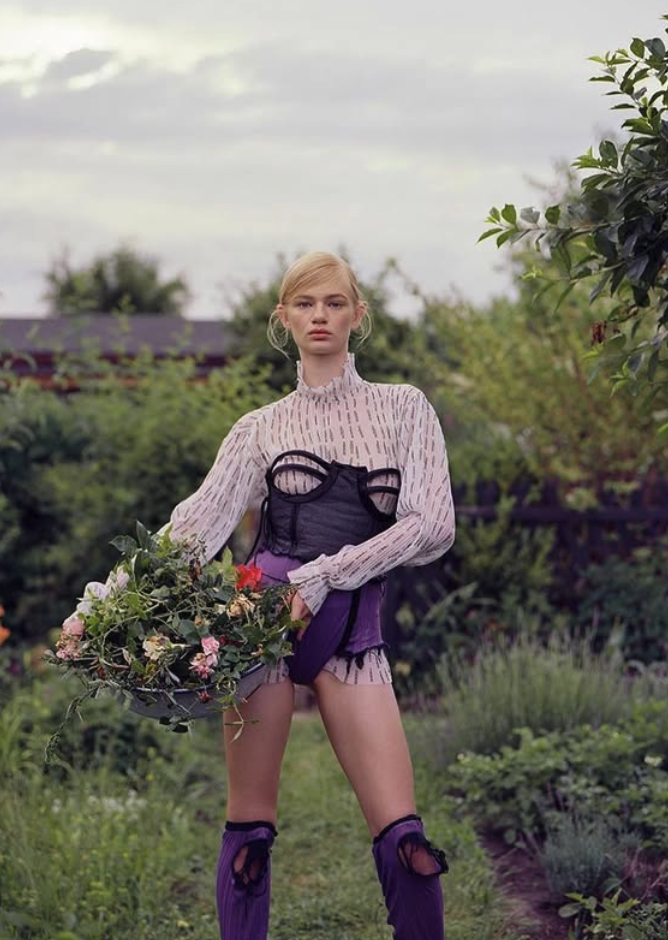
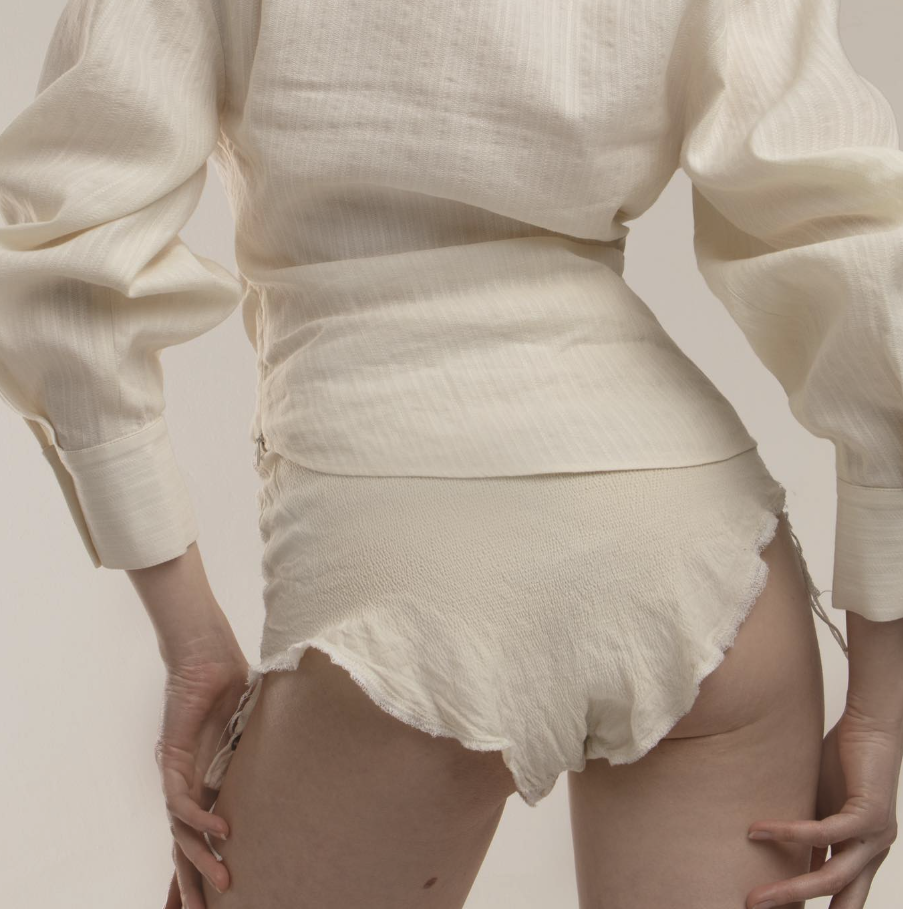
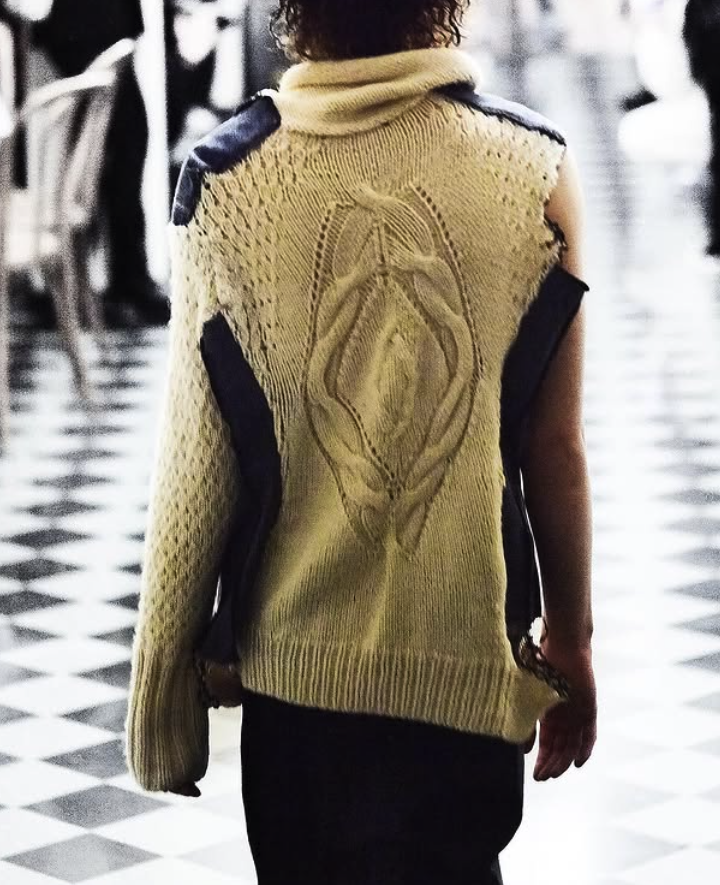
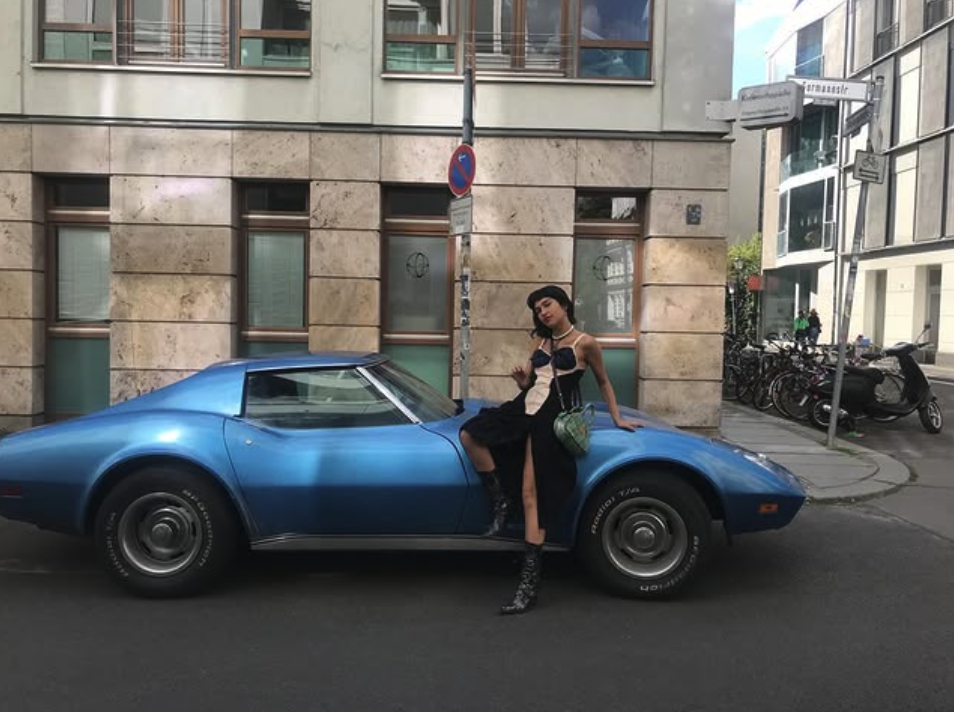
This sense of shared authorship reflects her broader values. Fashion, for Gintarė, cannot exist in isolation from ethics. She speaks openly about the discomfort of producing without considering the impact—environmental, social, and economic. Accessibility matters. So does awareness. Beauty, in her world, is not perfection but intention: something felt, something slightly beyond the expected.
And perhaps most striking is her relationship with creativity itself. She does not describe it as bravery, though from the outside it may seem so. For her, creation is closer to freedom, a state where time dissolves, where doubt quiets, where the act itself becomes enough. “You don’t force it,” she reflects. “You just do.”
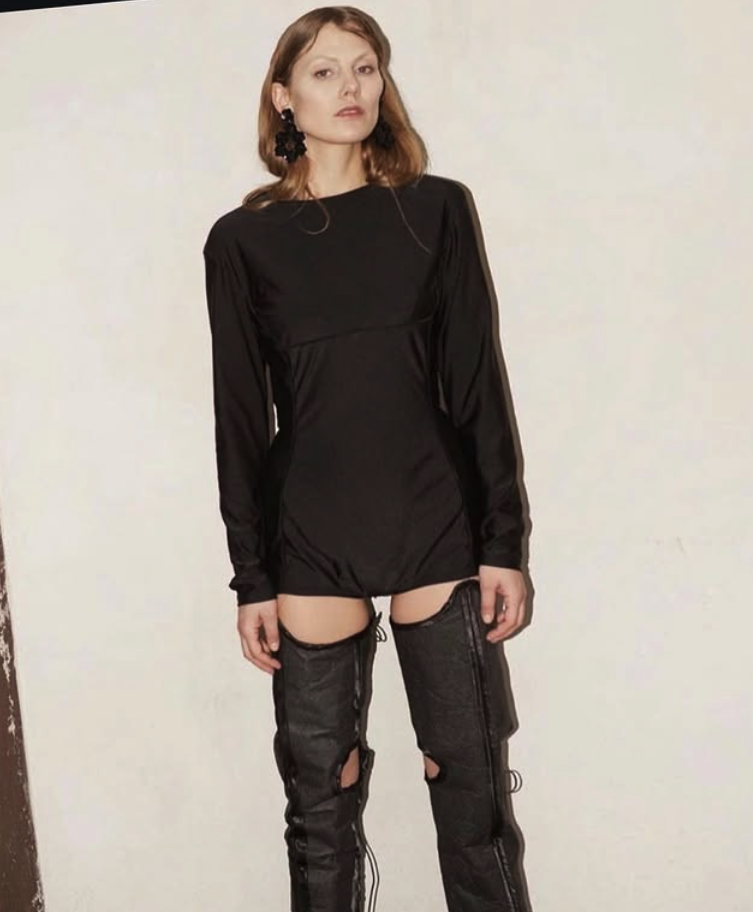
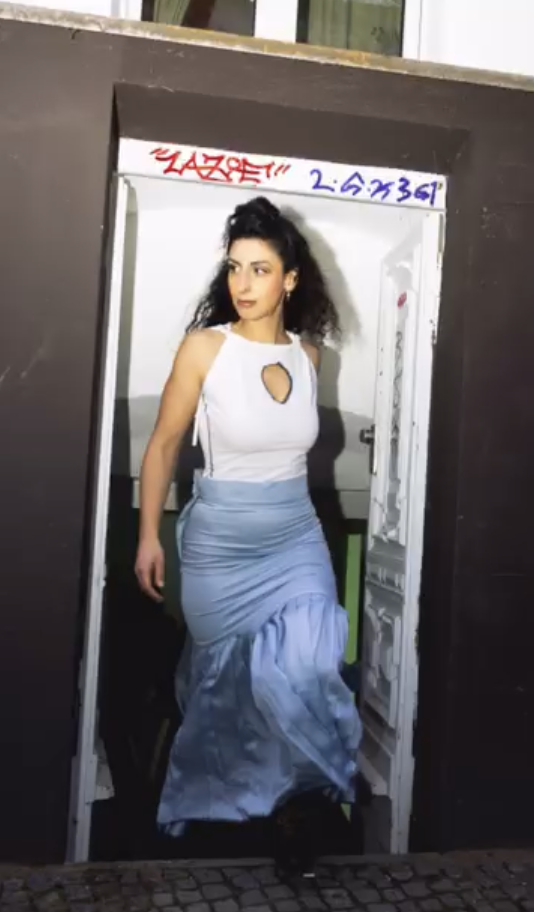
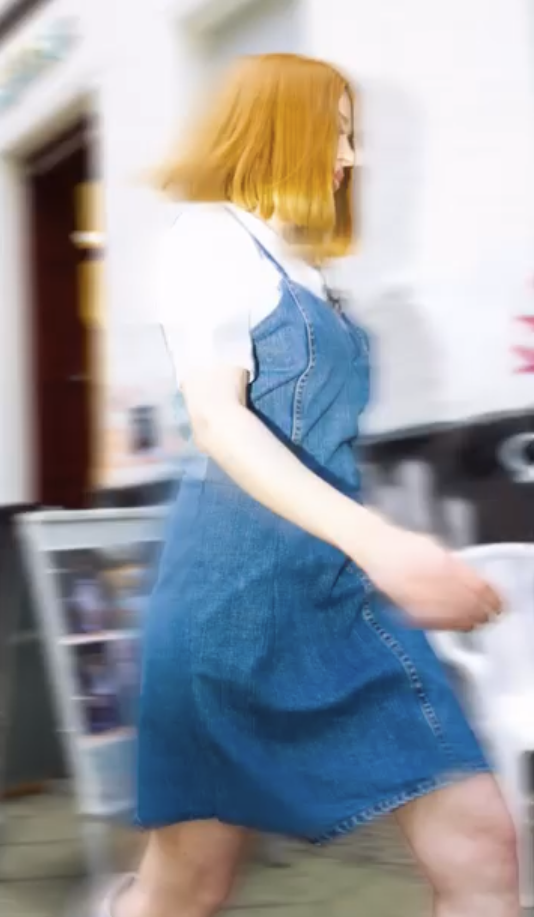
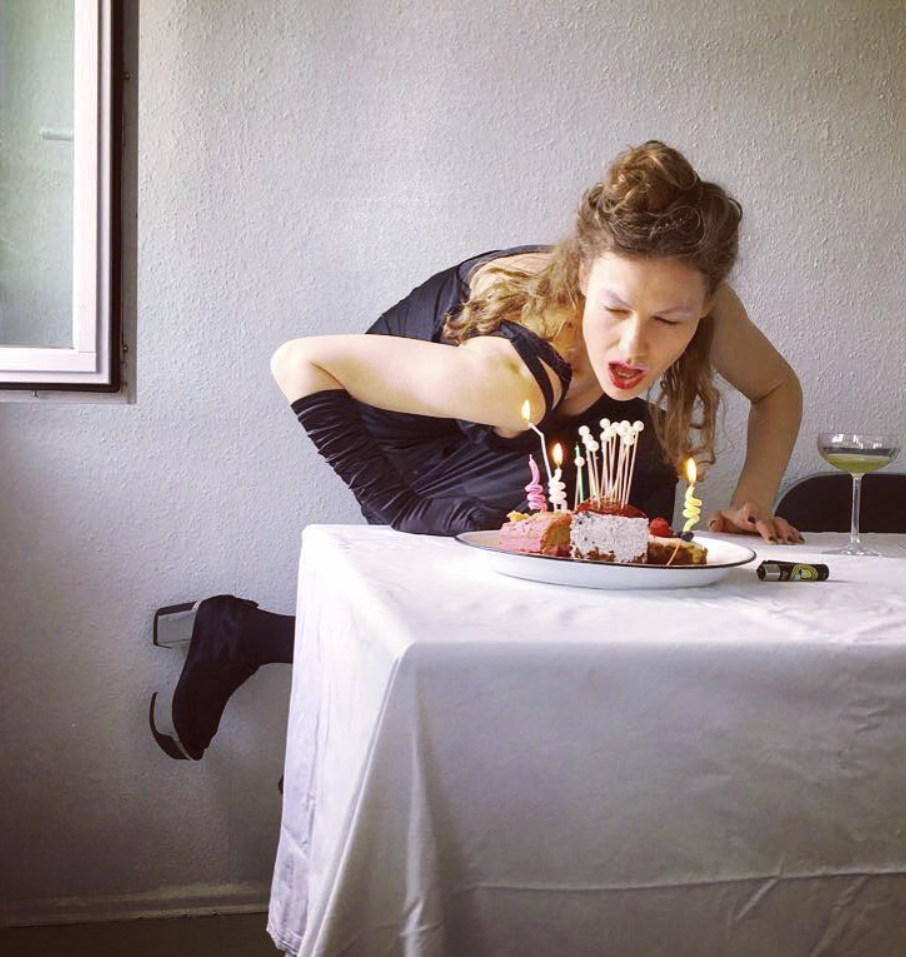
In Berlin, surrounded by a community that drifts in and out of her space - students, friends, strangers- this philosophy continues to unfold. There is no need to define it fully. Like her garments, it remains open, adaptable, unfinished in the most deliberate way.
Finally, Gintarė’s work resists easy categorization. It exists somewhere between fashion and art, between object and experience. But perhaps it is best understood not as something to be labeled, but as something to be lived, with curiosity, with care, and with the quiet courage to create without limits.
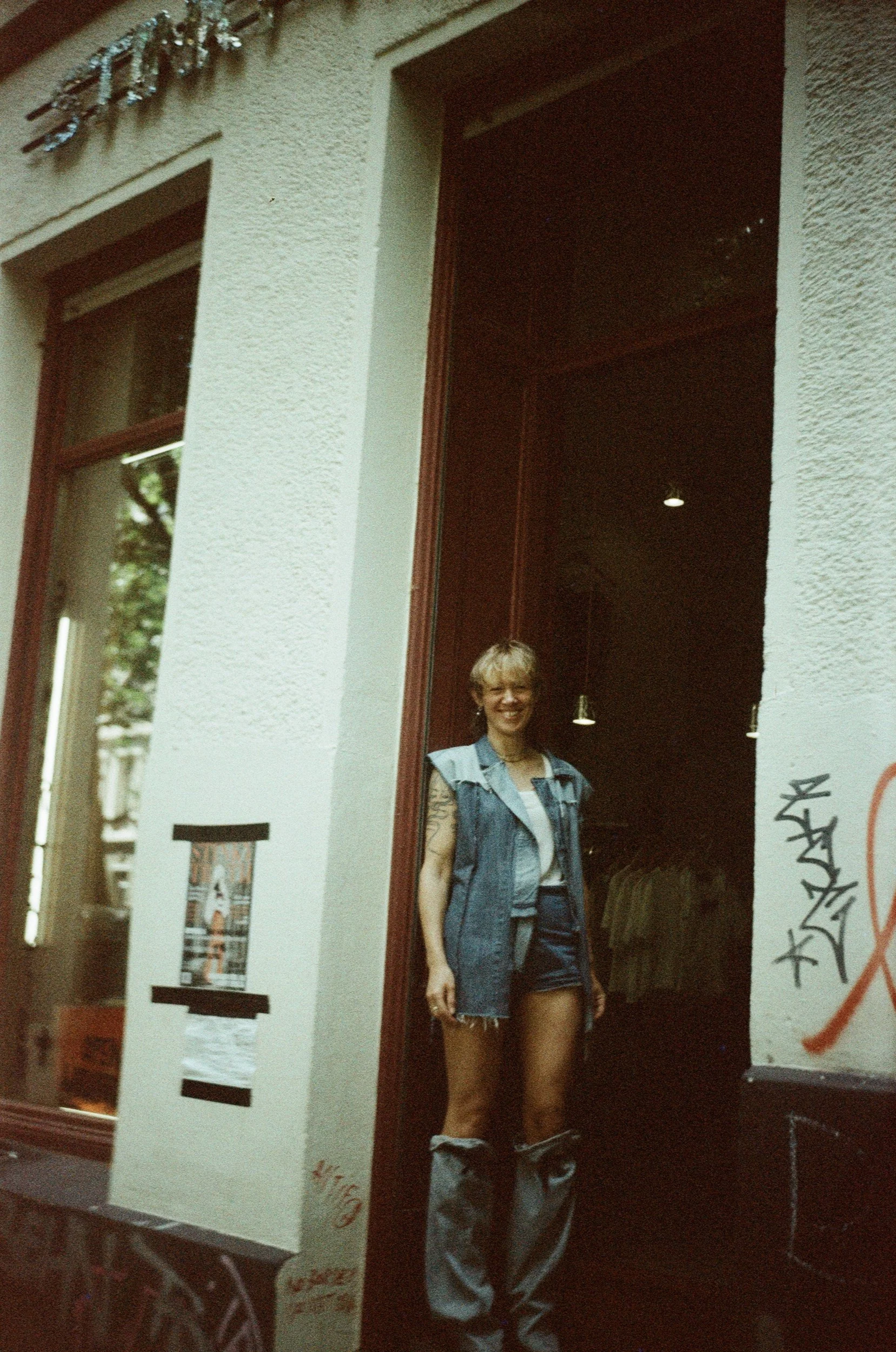
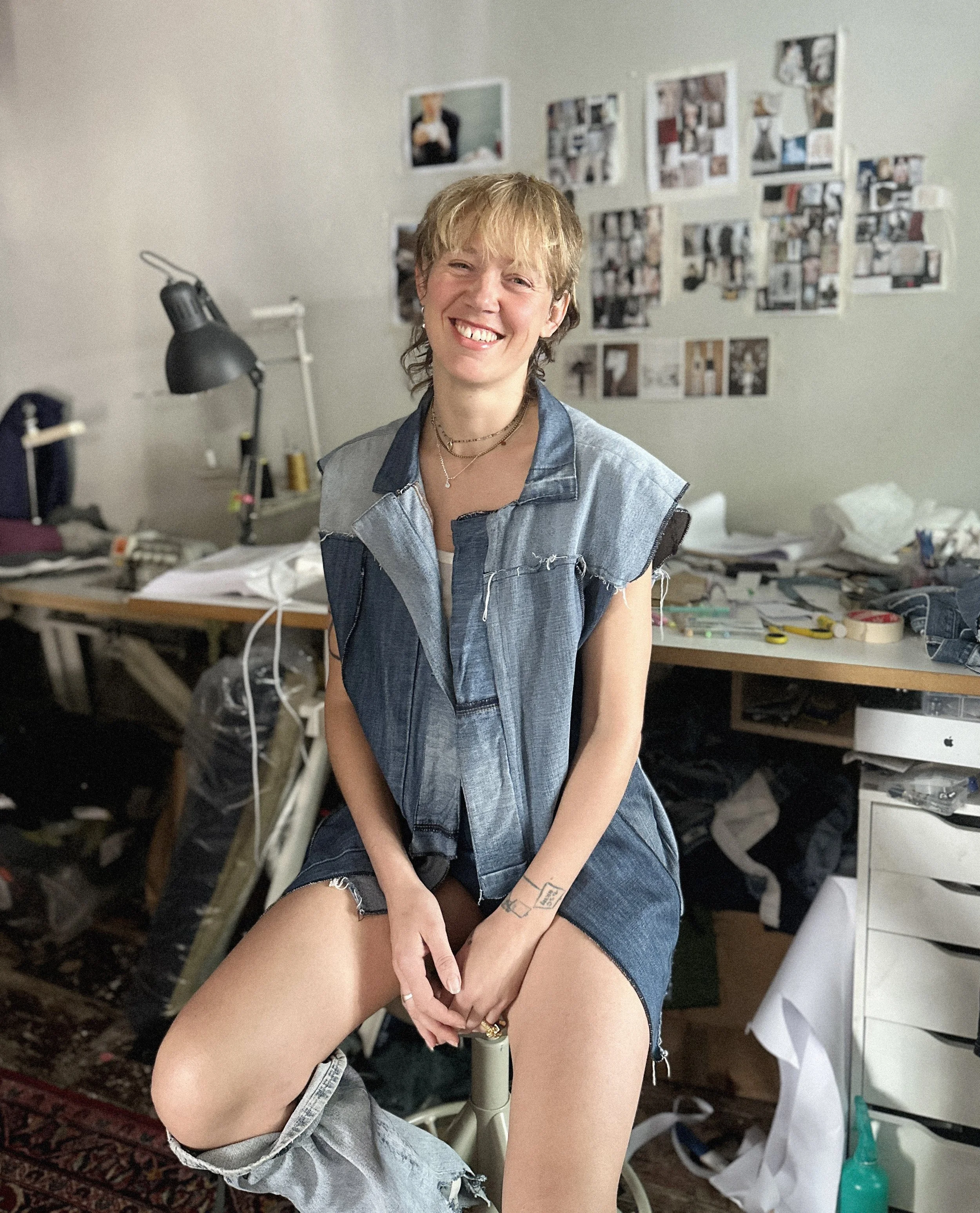
Gintarė at her Atelier “Stinky Truth” in Berlin by Lina / Unalike
