
Where Hospitality Feels Like Home
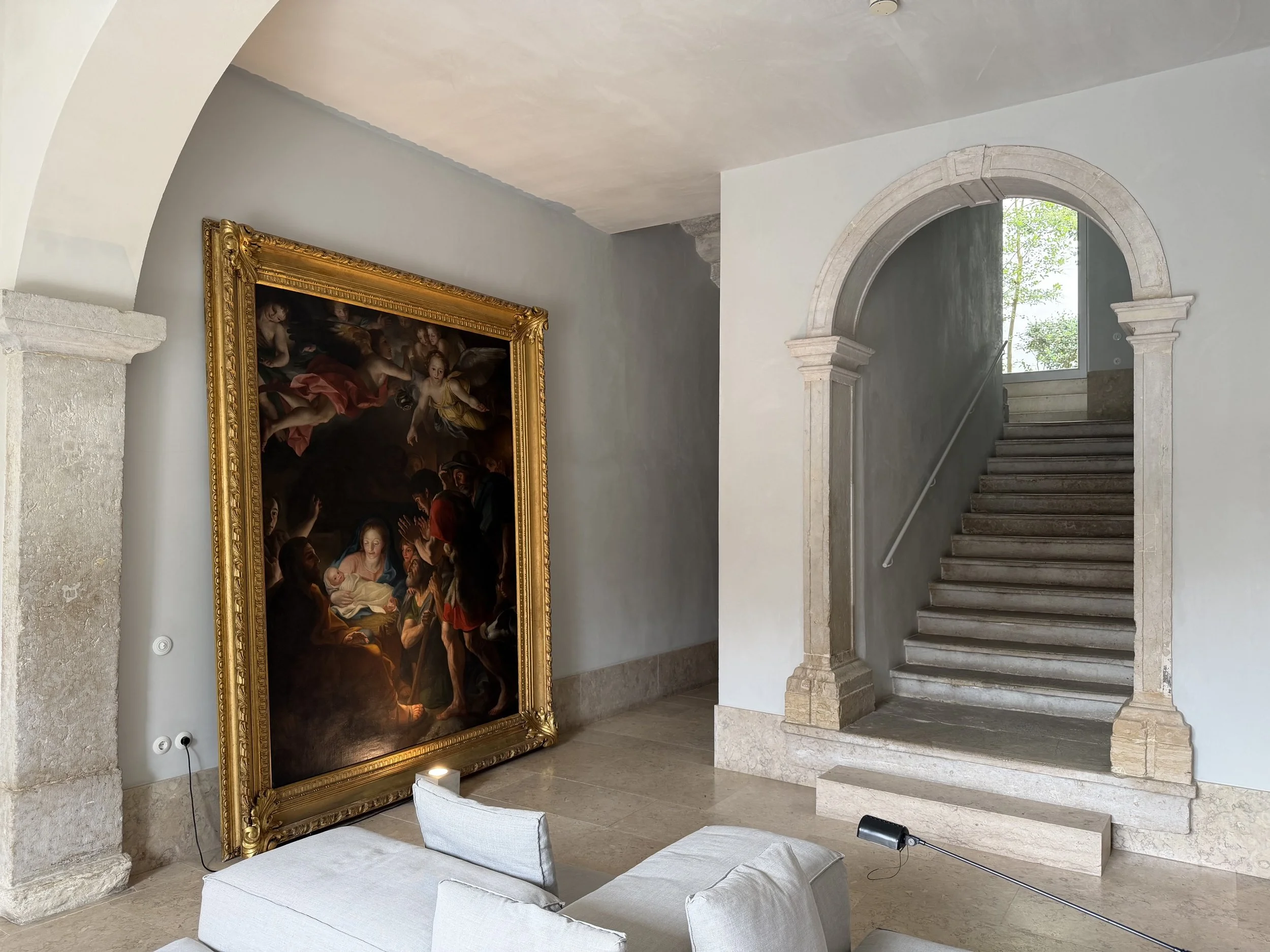
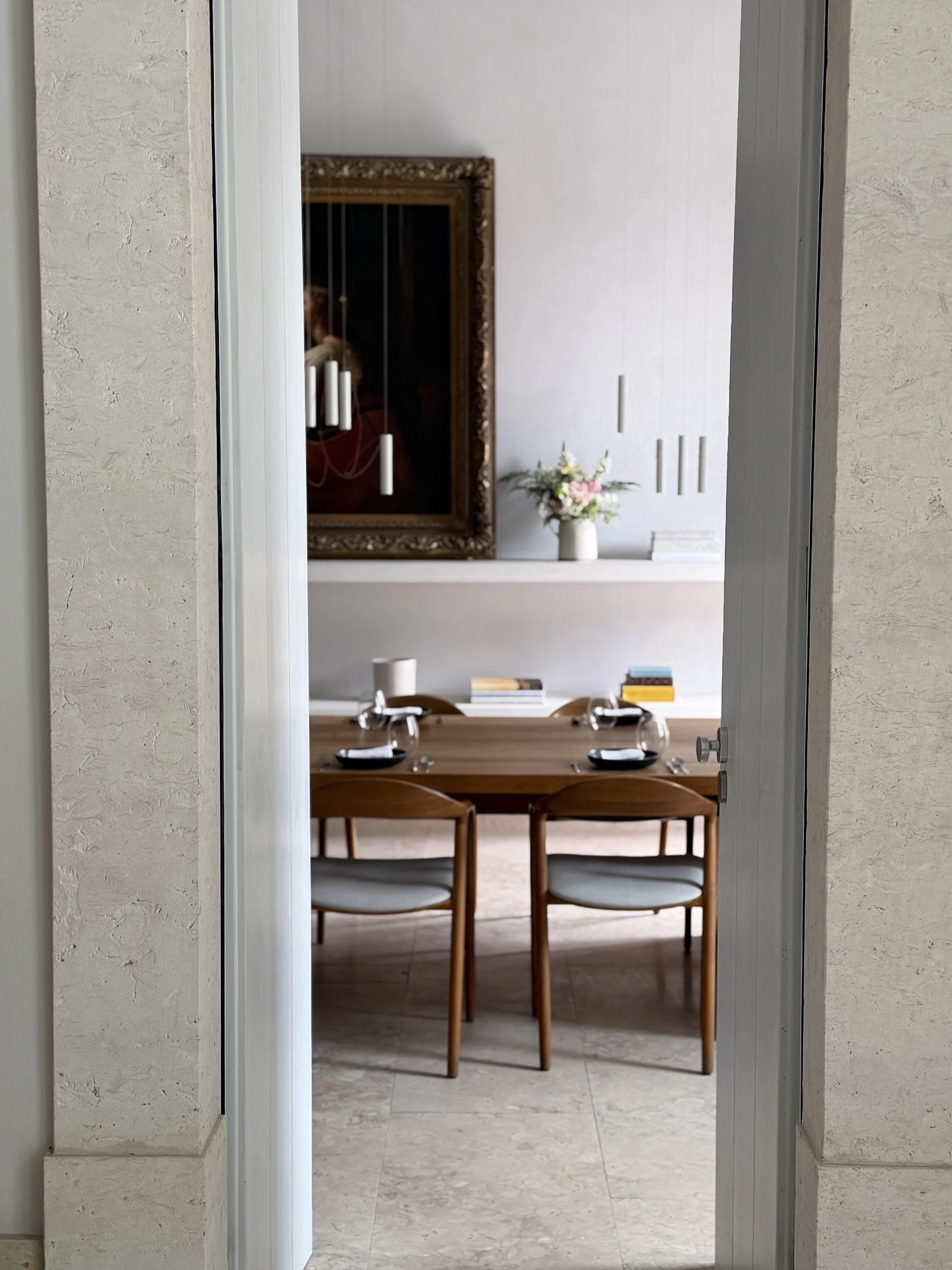
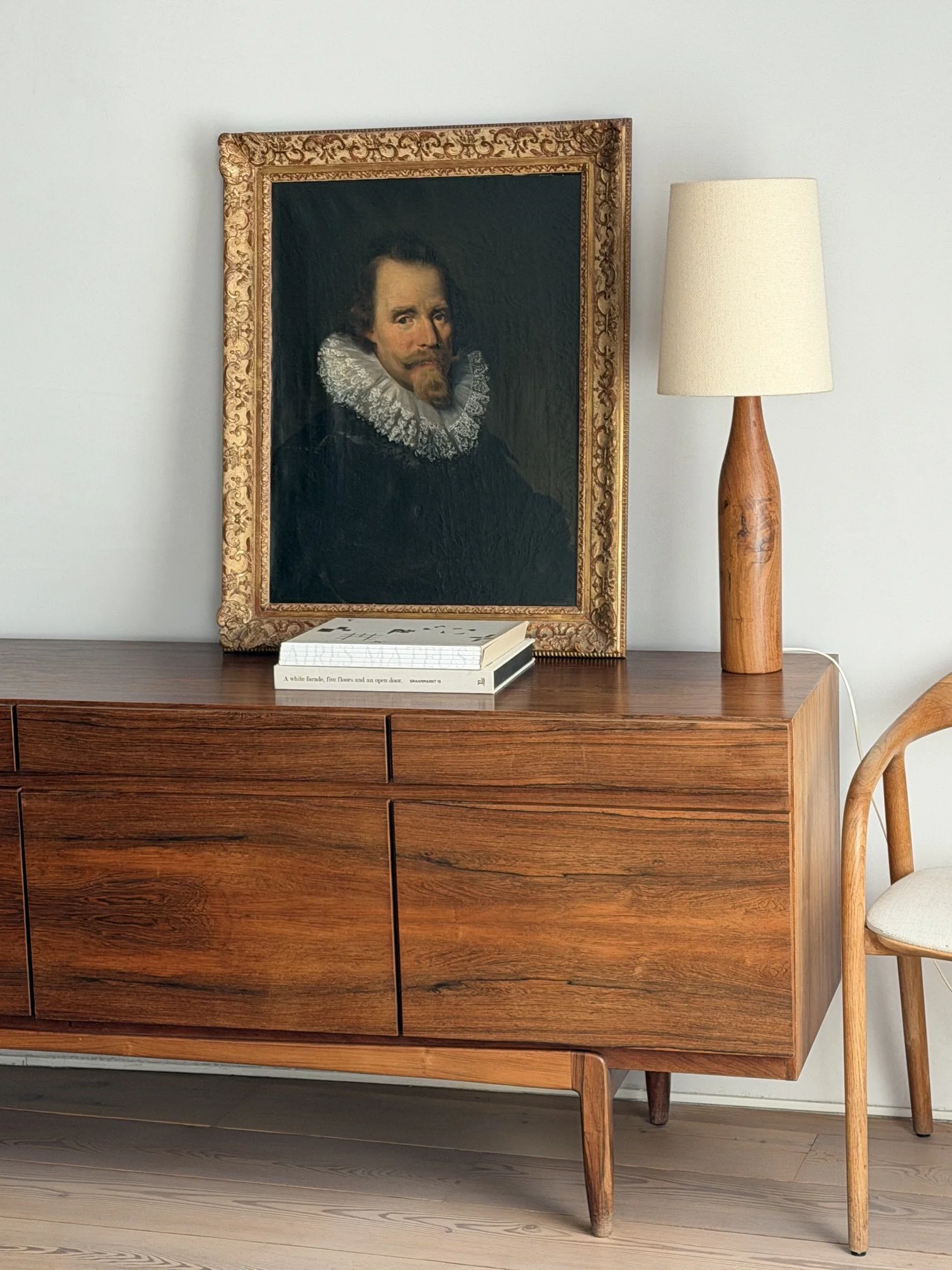
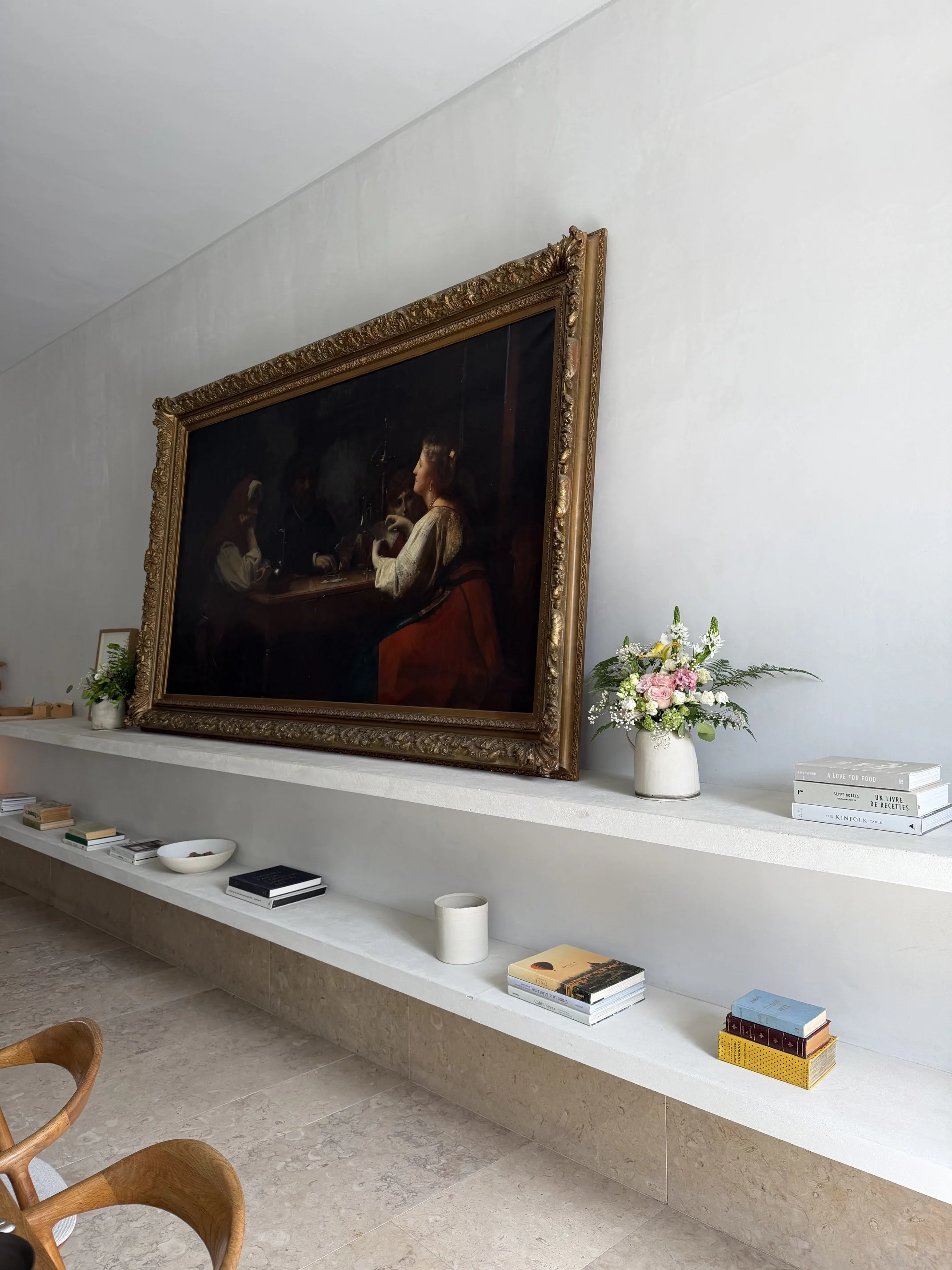
There is no obvious reception desk at Santa Clara 1728. Instead, you step through a grand entrance where an extraordinary piece of artwork immediately draws your attention. The building feels quiet, understated and almost residential. If you didn’t know it was a hotel, you could easily mistake it for a beautifully restored private home.
Perhaps that’s because, in many ways, it still is.
João and Andreia live here with their family. Their home occupies the upper floors, while guests are welcomed into the spaces below. Rather than separating family life from hospitality, the two exist comfortably alongside one another.
“For me, it makes life very, very easy because while I’m at home, I can just go down a few stairs and I’m with my guests.”
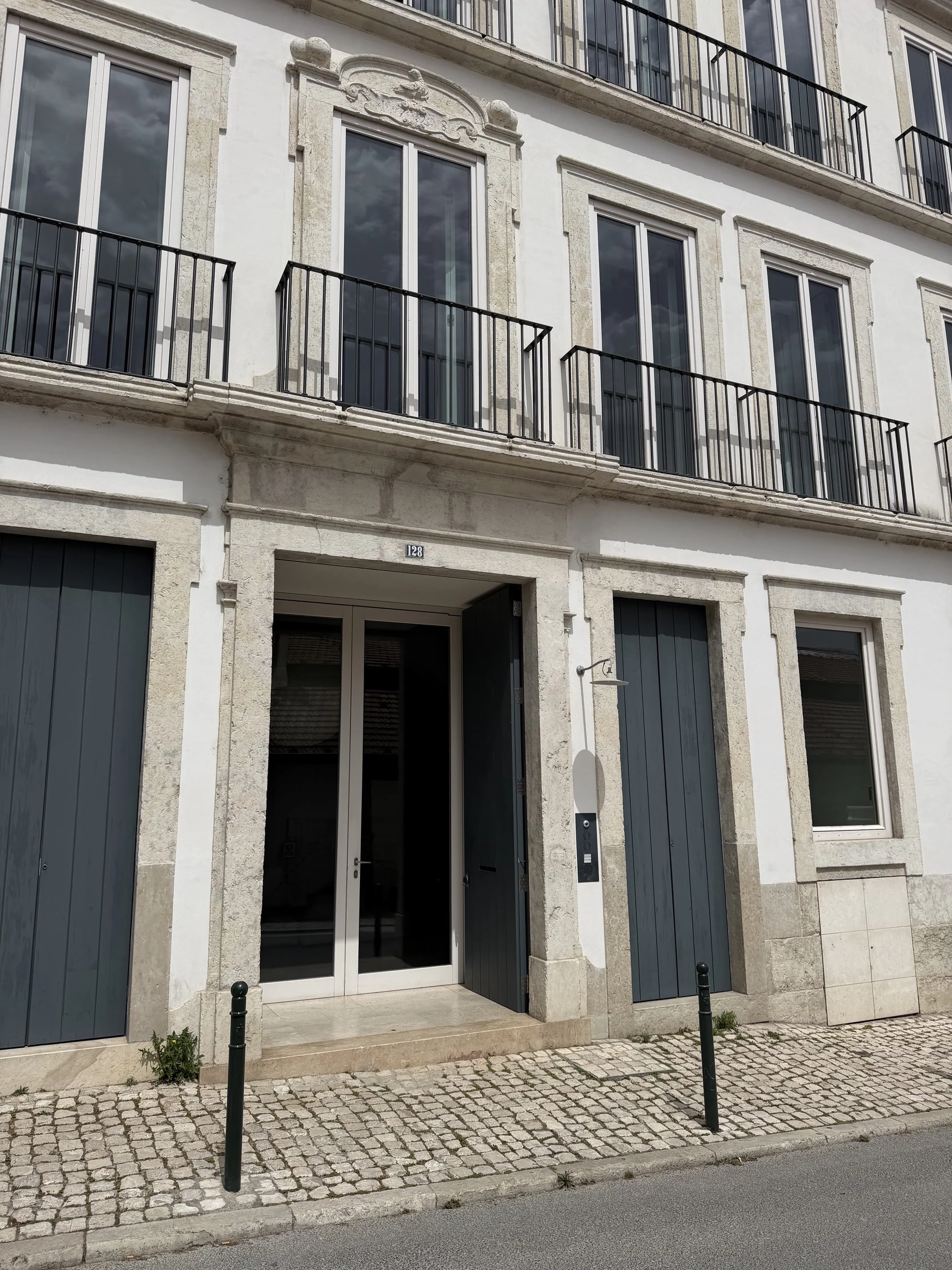
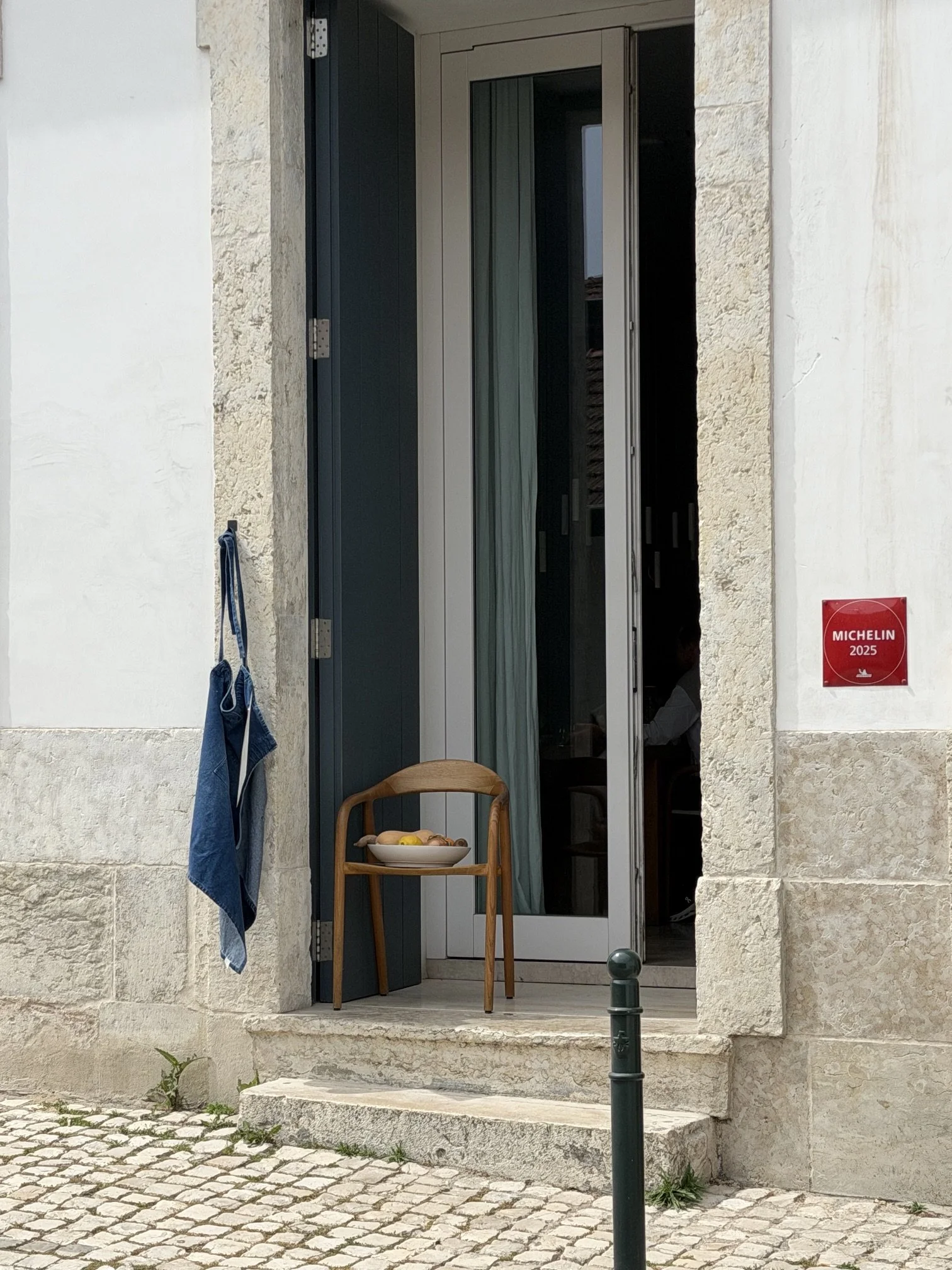
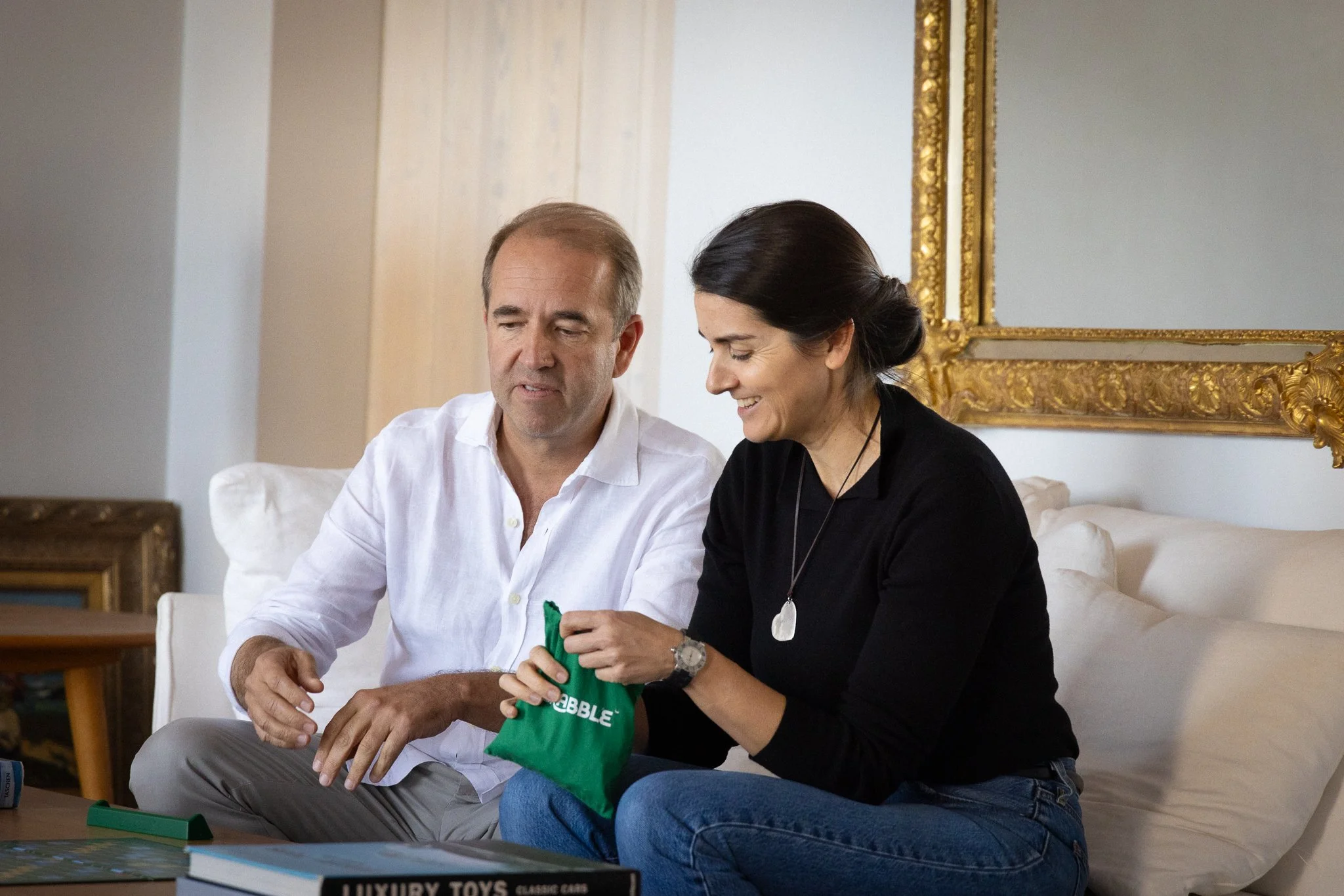
That closeness shapes everything about Santa Clara.
There is no sense of performance.
No carefully choreographed welcome.
Instead, there is a confidence that comes from opening your home to others.
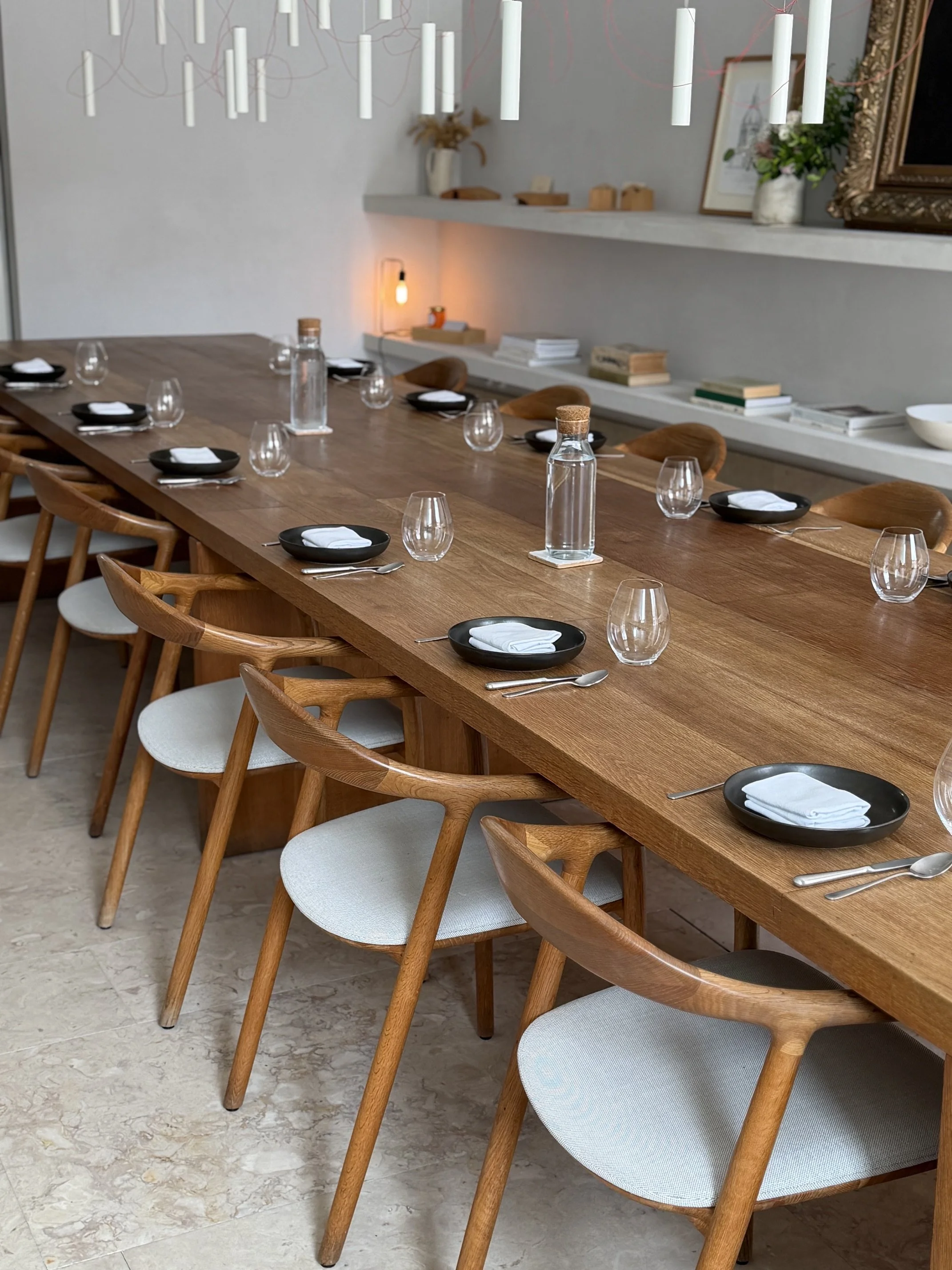
Just off the entrance, the office remains open throughout the day. Guests are welcome to settle in with a laptop, read, or simply spend time there. Opposite, the restaurant centers around one long communal table, where the table naturally encourages conversation between guests.
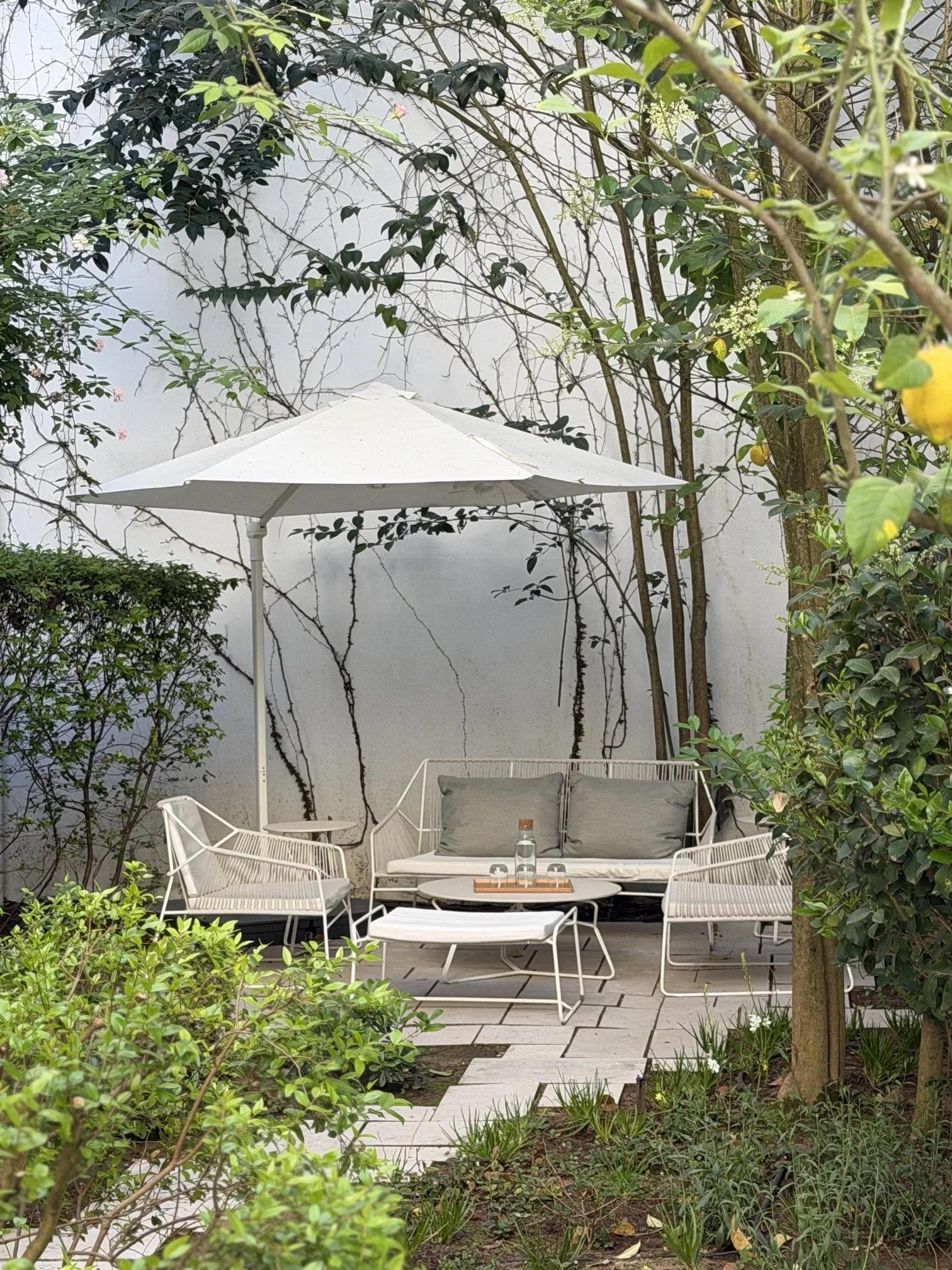
Upstairs, a peaceful garden enclosed by the building’s old stone walls offers another place to pause.
Throughout the house, there is an ease that never feels staged.
In the kitchen, guests are invited to help themselves to a glass of wine from the fridge. There is no ceremony around it, only a quiet sense of trust that reflects the way João and Andreia have always welcomed people into their lives. That generosity extends beyond the guests themselves. As João explains, everyone who works at Silent Living is considered part of the family.
“I always look for this essence in people. If their happiness comes from making other people happy, that’s the right person for me.”
It’s an approach that softly shapes the atmosphere throughout Santa Clara. The service never feels formal or rehearsed. Instead, it feels personal.
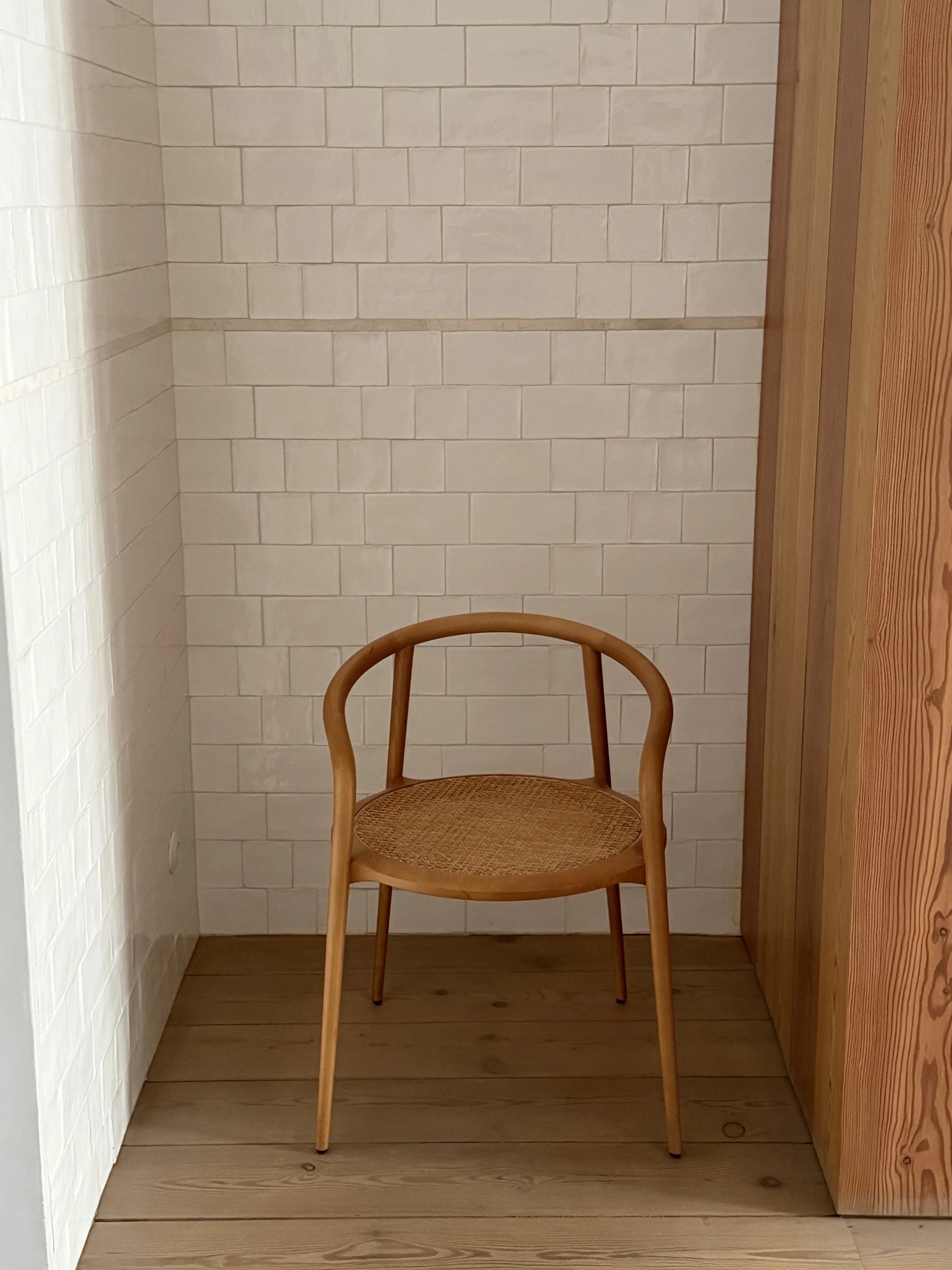
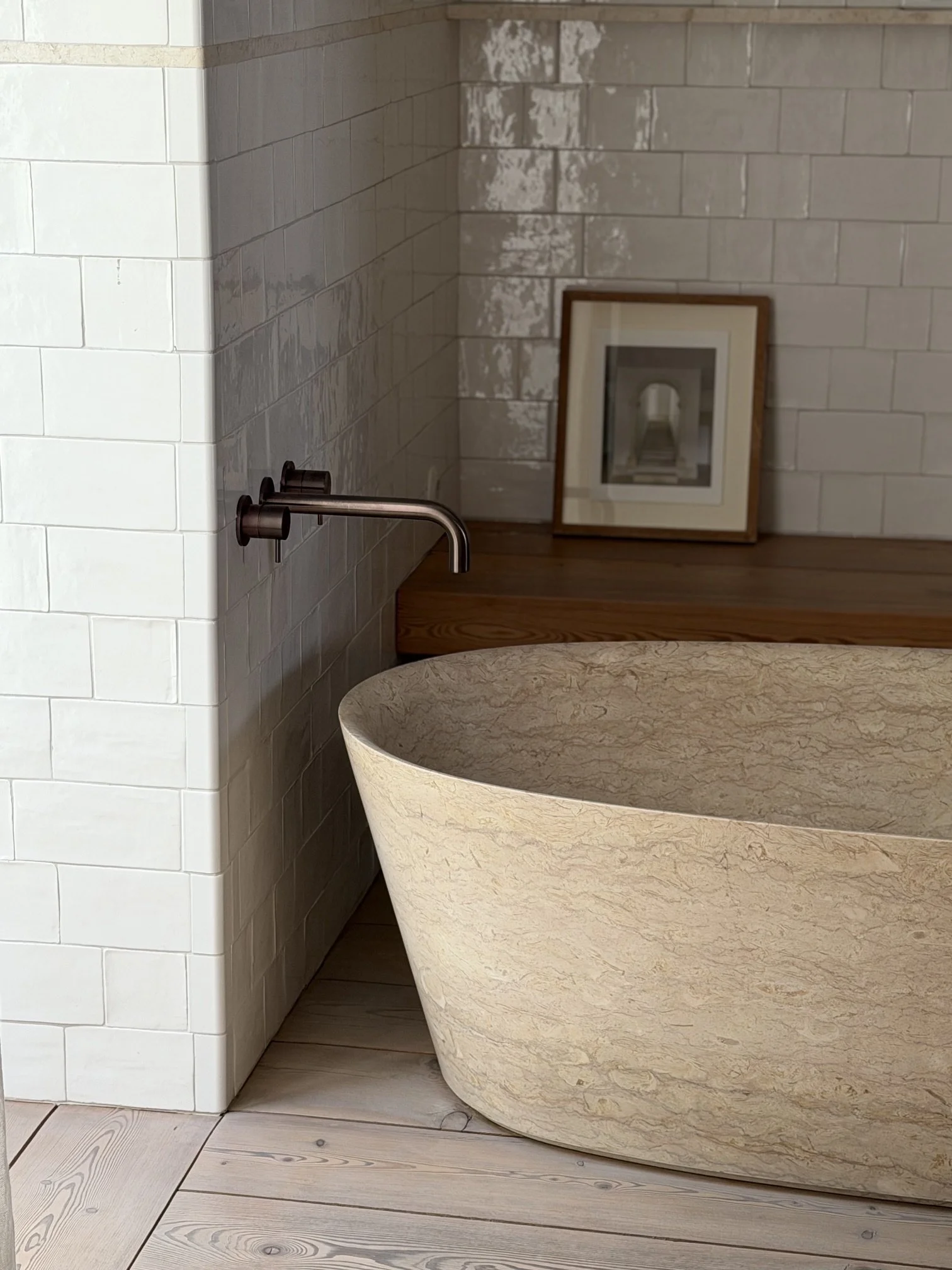
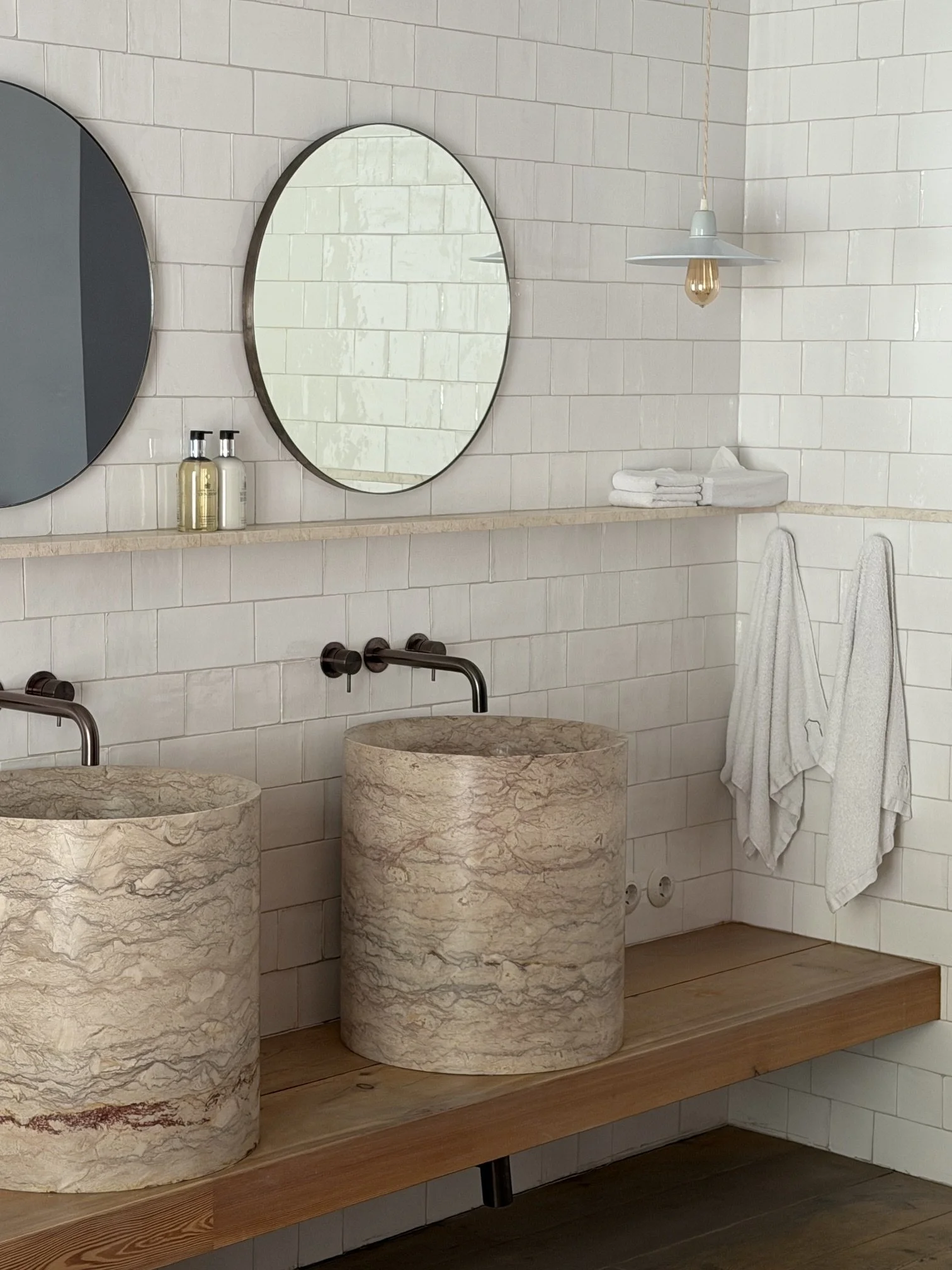
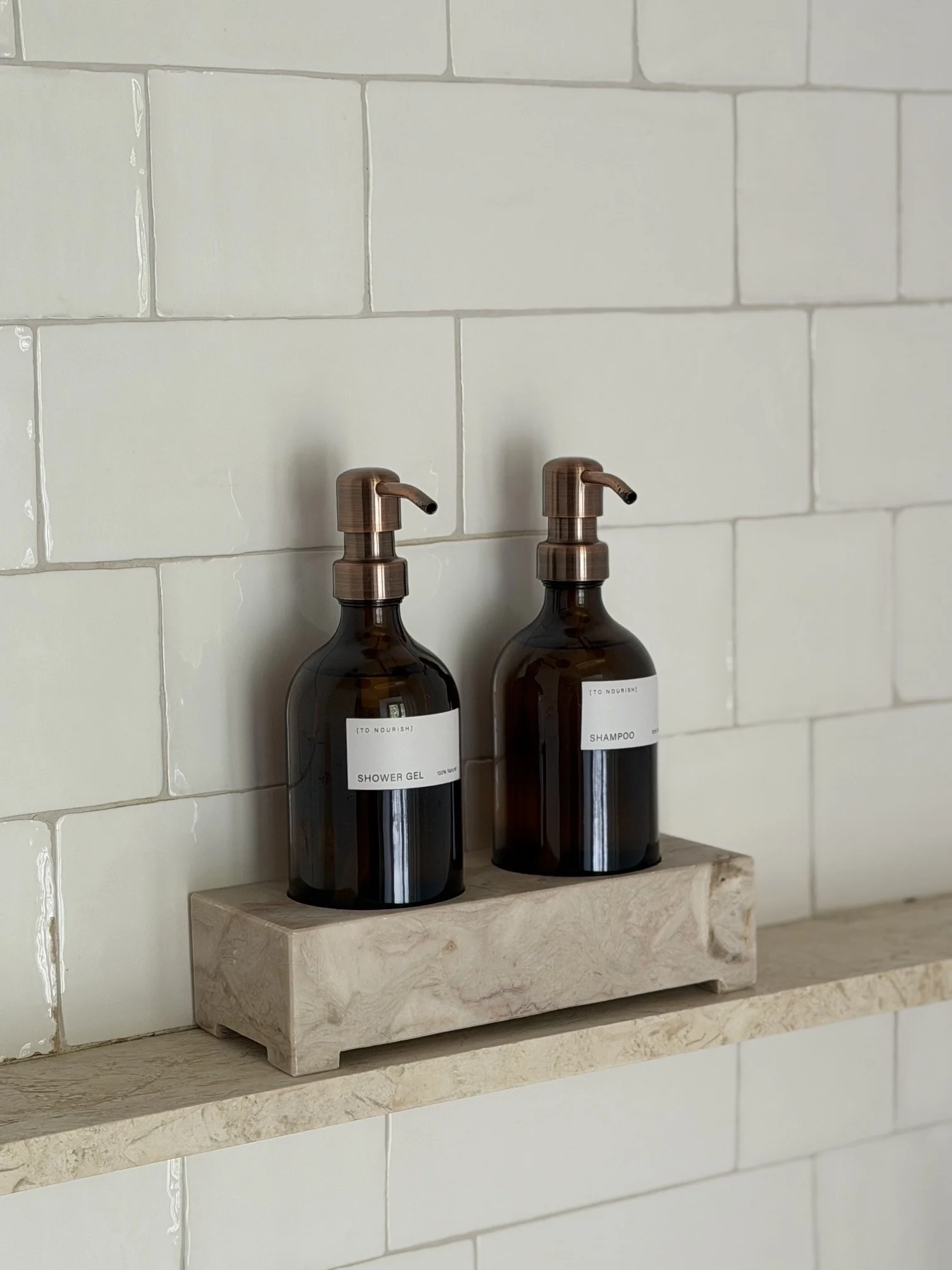
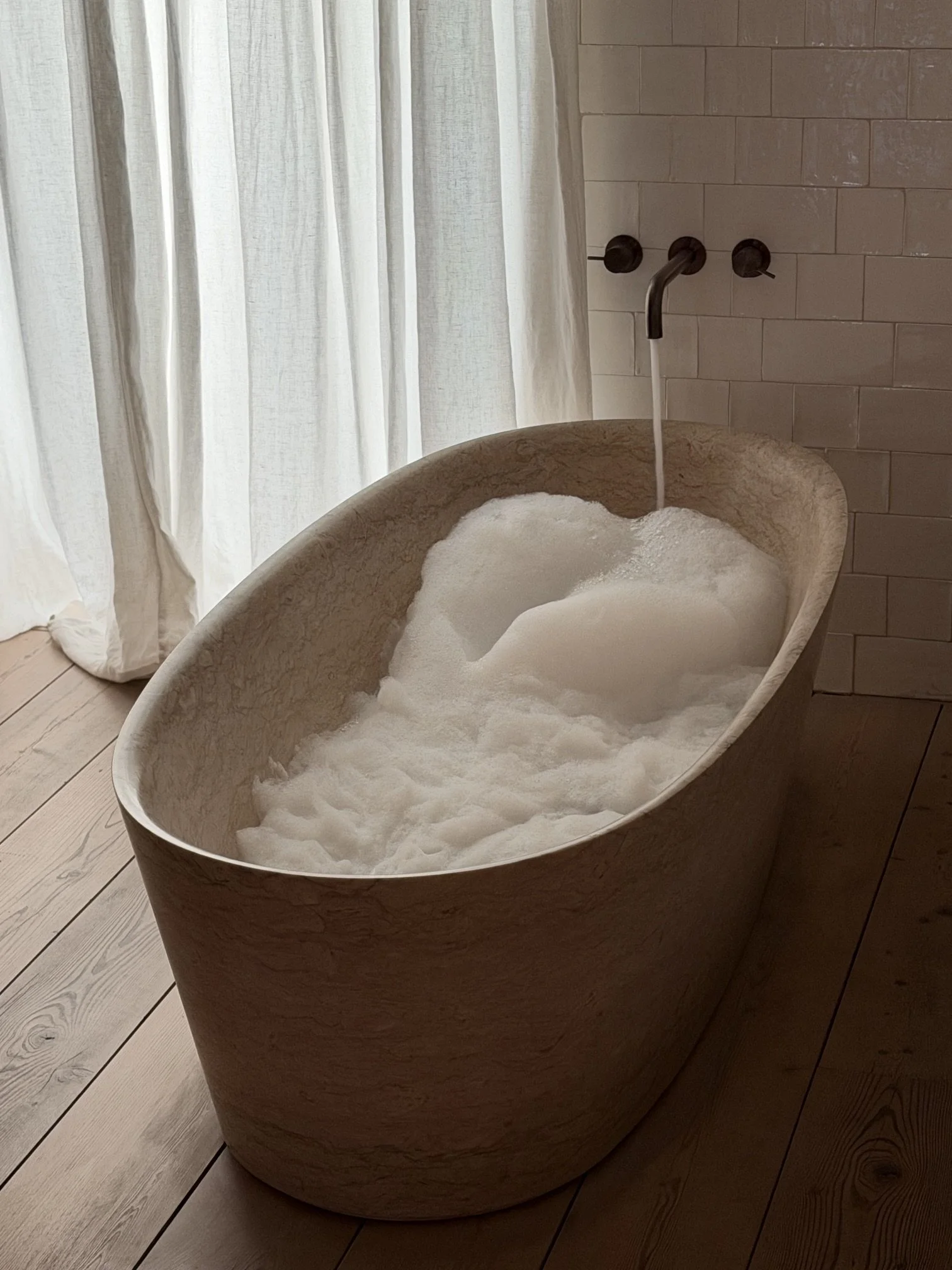
Upstairs, the same quiet restraint continues in the bedrooms. Wooden floorboards, natural materials and carefully chosen furniture create spaces that feel calm rather than decorative. A freestanding stone bathtub adds a quiet sense of luxury, while the bathrooms are enclosed in warm timber that recalls the warmth and simplicity of a Nordic sauna. Like everything else at Santa Clara, the design never competes for attention. It simply allows the building to speak for itself.
The same philosophy continues in the kitchen.
Dinner at Santa Clara isn’t designed around elaborate presentation or an endless list of ingredients. Instead, the menu follows the rhythm of the seasons, adapting to what the land, the sea and local producers have to offer. If asparagus disappears, something else takes its place. If a fisherman arrives with a species the kitchen hasn’t worked with before, the chefs begin experimenting.
“Nature gives,” the chef says simply. “We make.”
It’s a phrase that captures not only the restaurant, but the wider philosophy of Silent Living. Rather than describing the restaurant as sustainable, the chef prefers explaining the choices behind every dish.
“We prefer to tell people what we do and why we do it.”
It’s a subtle distinction, but an important one.
Sustainability has become a word that’s often used without much explanation, he tells us. Instead of relying on labels, he would rather guests understand where the ingredients come from, why certain products are chosen and how those decisions are made.
Some of the produce arrives from Herdade no Tempo, where regenerative farming continues to evolve, while other ingredients come from small local producers and fishermen who know the landscape intimately. The menu changes constantly, not because novelty is the goal, but because nature rarely stands still.
The goal isn’t to impress through complexity. It’s to let each ingredient speak for itself.
“If I give you a good fish, I want you to taste the fish.”
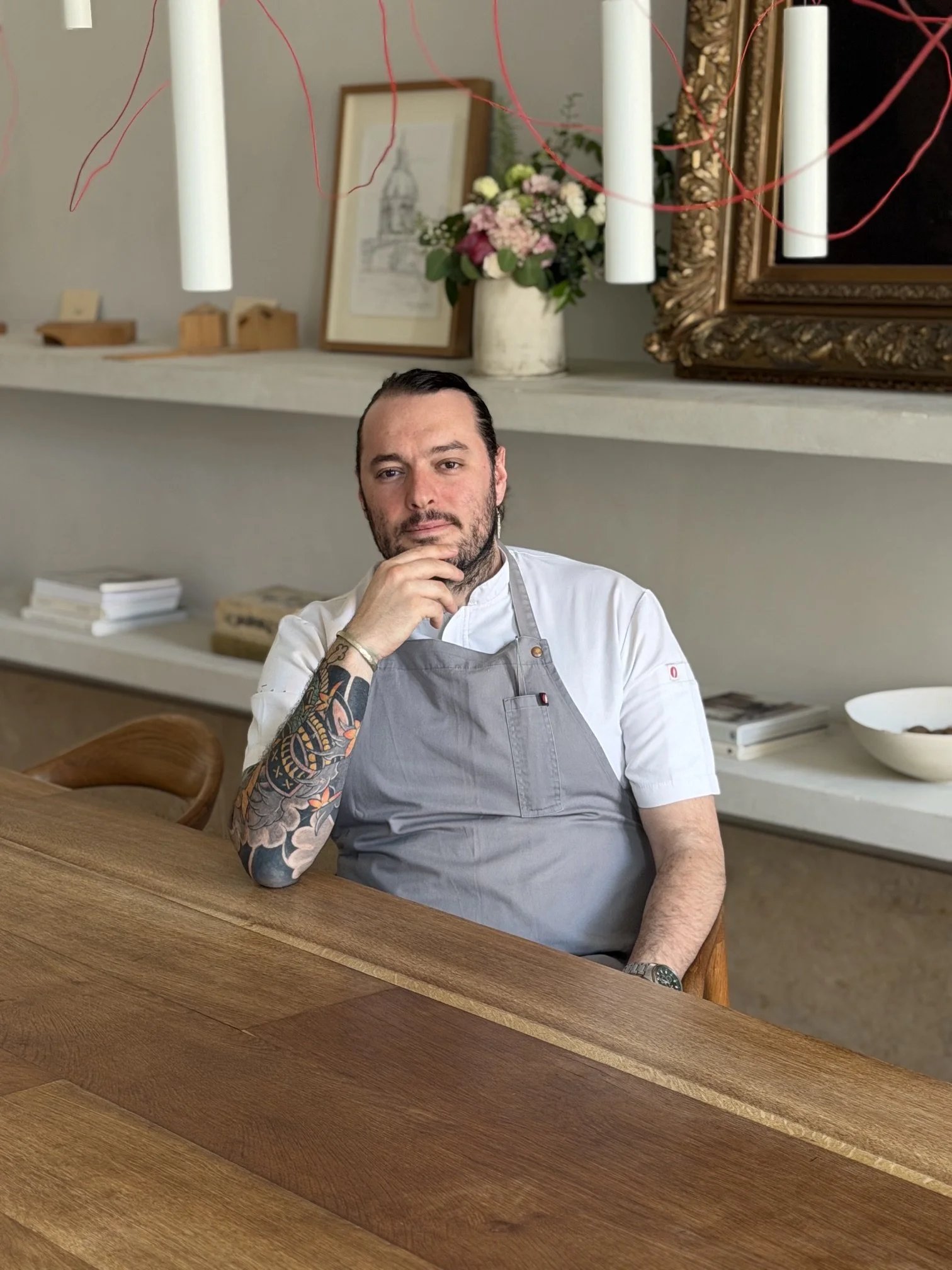
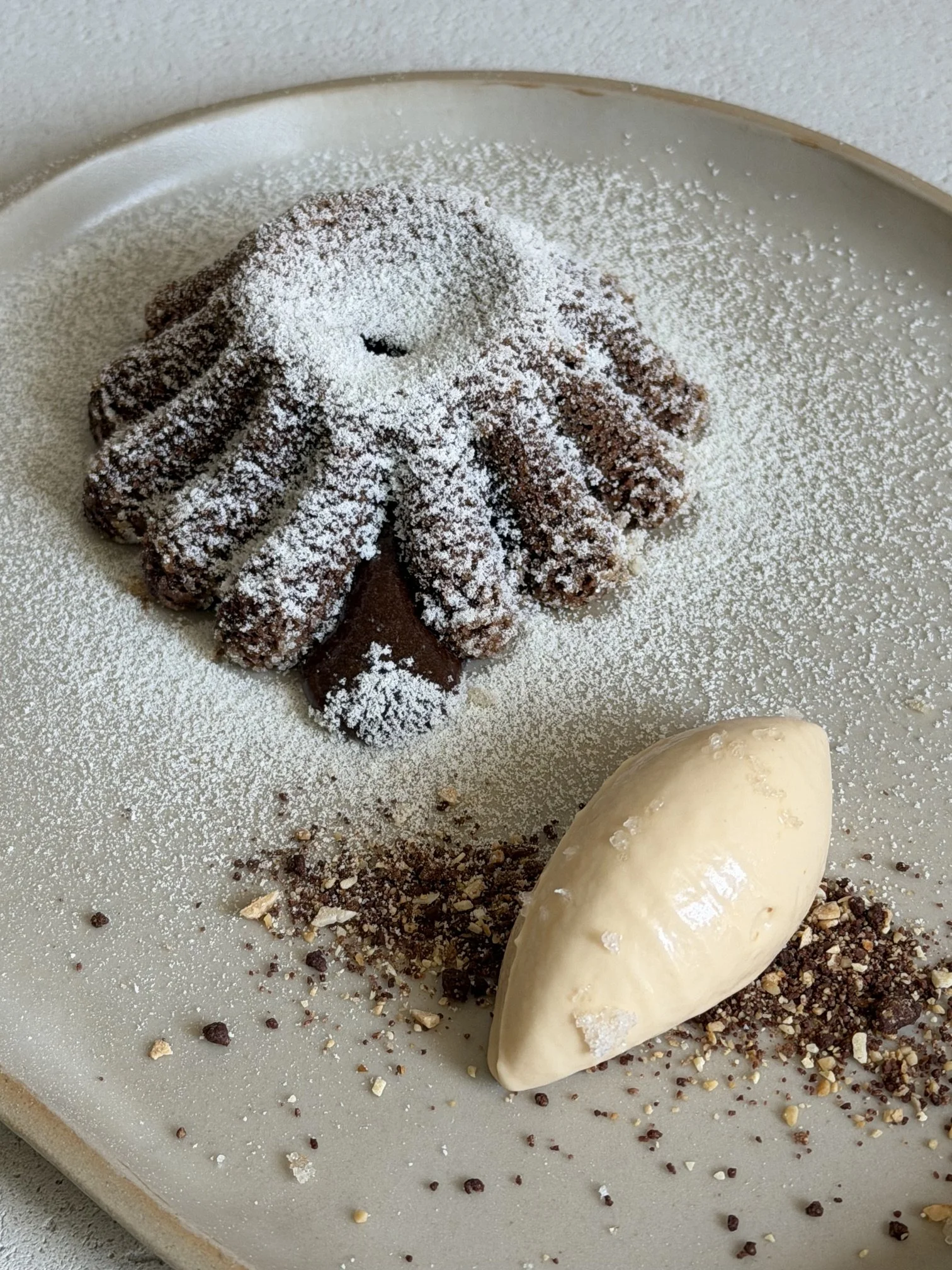
Like the architecture throughout Silent Living, the cooking relies on restraint rather than excess.
Every element has a purpose.
Nothing competes for attention.
One of the chef’s greatest pleasures is introducing guests to ingredients they may never have encountered before. A lesser-known fish. A seasonal vegetable. An overlooked cut that many kitchens would ignore. He speaks about these discoveries with genuine enthusiasm, not because they are unusual, but because they deserve to be appreciated.
Listening to him, it becomes clear that the kitchen shares the same curiosity that shapes every Silent Living project. The focus is never on adding more. It’s on understanding what is already there. That same philosophy is perhaps best summed up in another simple sentence.
“Nature gives. We make.”
In many ways, it could just as easily describe João’s approach to architecture.
By the following morning, that same philosophy feels just as present at breakfast as it did over dinner the evening before. Guests gradually gather around the long communal table, where breakfast is served at an unhurried pace. Conversations come and go naturally. Some linger over another coffee before heading out into the city, while others calmly make plans for the day ahead.
There is no pressure to rush.
No carefully choreographed experience.
Just the feeling that everyone is welcome to enjoy the house in their own way.
Throughout our stay, João moves easily between conversations, greeting guests, answering questions about Lisbon or simply checking that everyone feels at home. Andreia quietly keeps everything moving behind the scenes, and together they create an atmosphere that feels effortless, even though it is clearly built on years of care and attention. Its appeal lies in its simplicity.
The building invites you to slow down rather than fill every moment.
To share a meal with people you may never have met before.
To sit by yourself in the garden with a book.
To enjoy another coffee before wandering through Lisbon’s streets.
Nothing ever feels rushed. Nothing feels unnecessary.
Before we leave, we’re reminded of something João told us earlier.
“We have always felt the need to provide a home away from home for travellers, rather than just a roof over their heads.”
After spending time at Santa Clara 1728, it’s difficult to think of a better description.
It doesn’t feel like staying in a hotel. It feels like being welcomed into someone else’s home.
