Where Inside Meets the Landscape
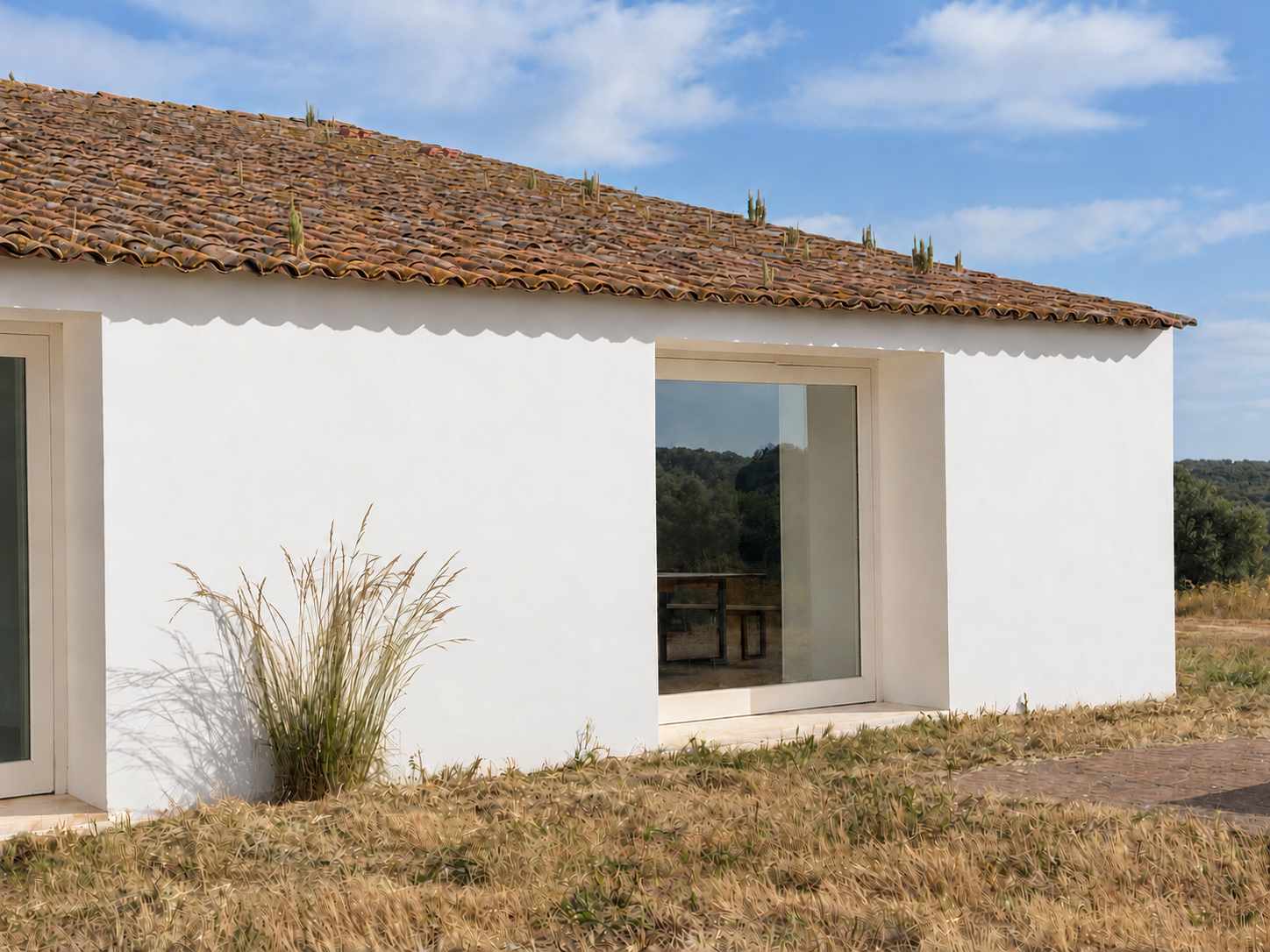
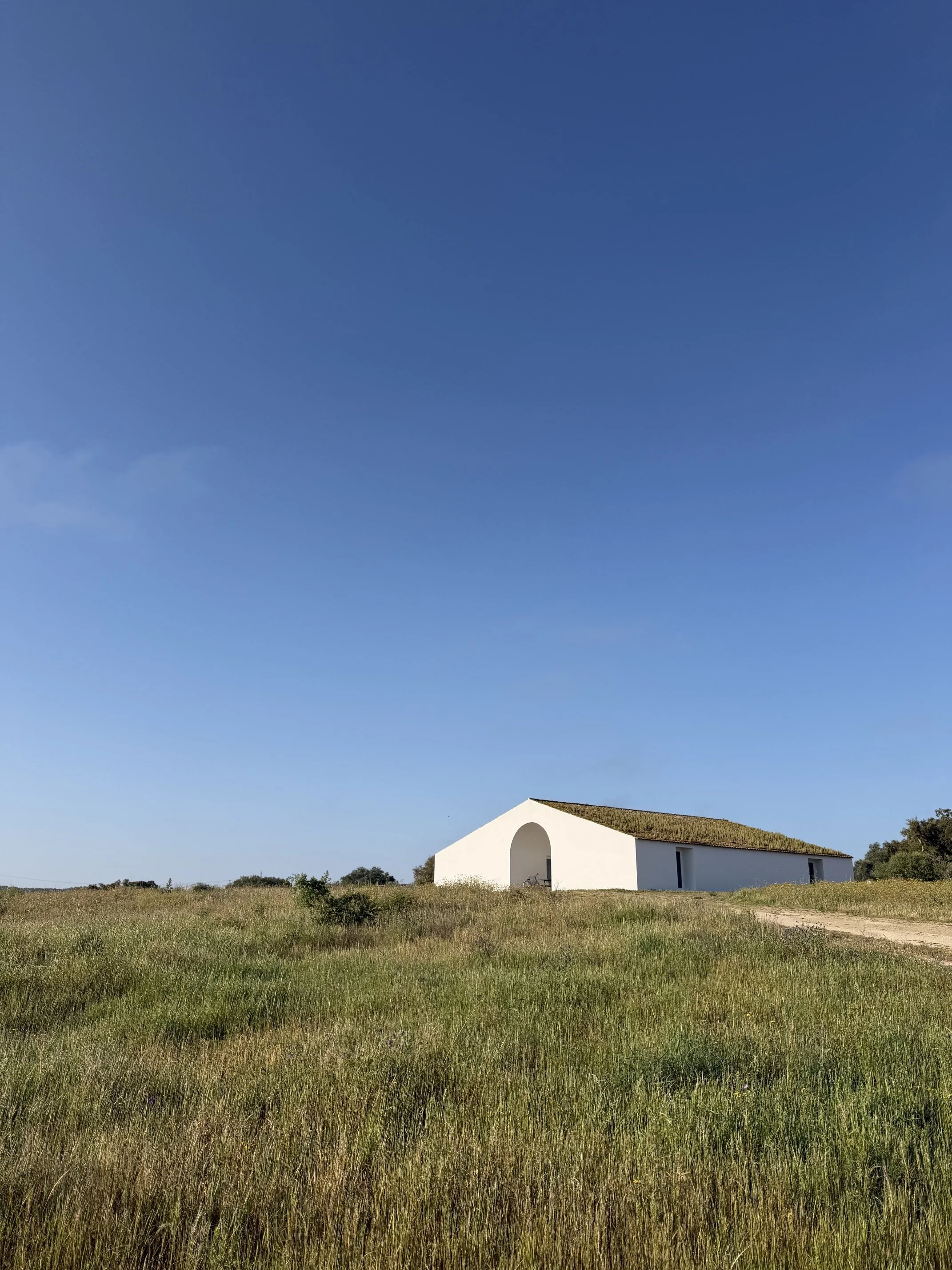
The journey begins long before the house comes into view. Leaving the main road behind, we follow a long sandy track through the Alentejo countryside. By the time Casa no Tempo appears, the outside world already feels a long way away.
The house has belonged to João’s family for generations.
Rather than replacing it with something entirely new, he and Andreia chose to work with what was already there.
The house had belonged to João’s grandfather, and with it came a sense of responsibility towards what had been passed down. The intention was not simply to preserve the building, but to find a way for it to continue as part of the family’s story.
Architect Manuel Aires Mateus was brought in to help translate that idea into the house as it exists today.
“We decided to go back to the origins of the house.”
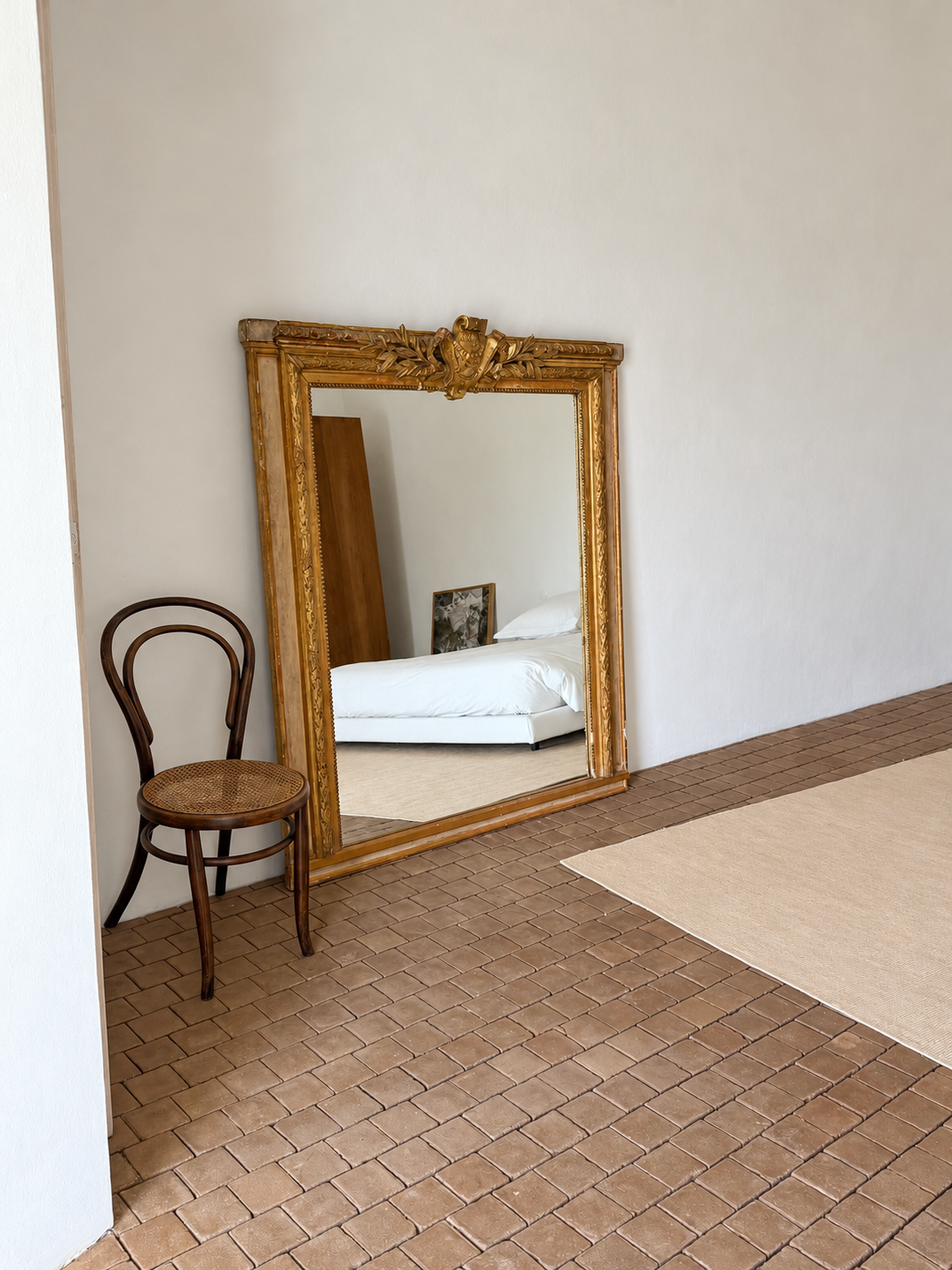
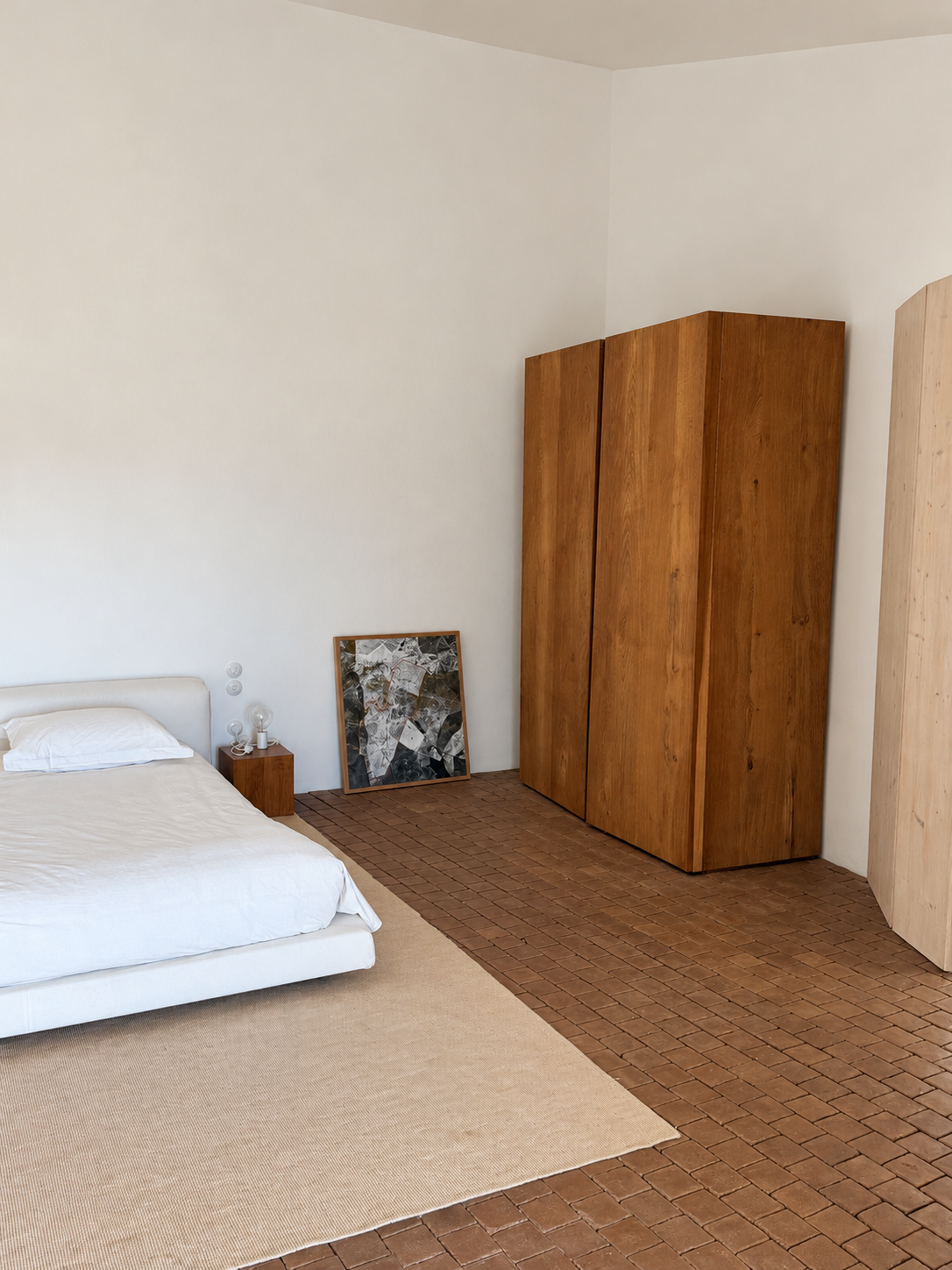
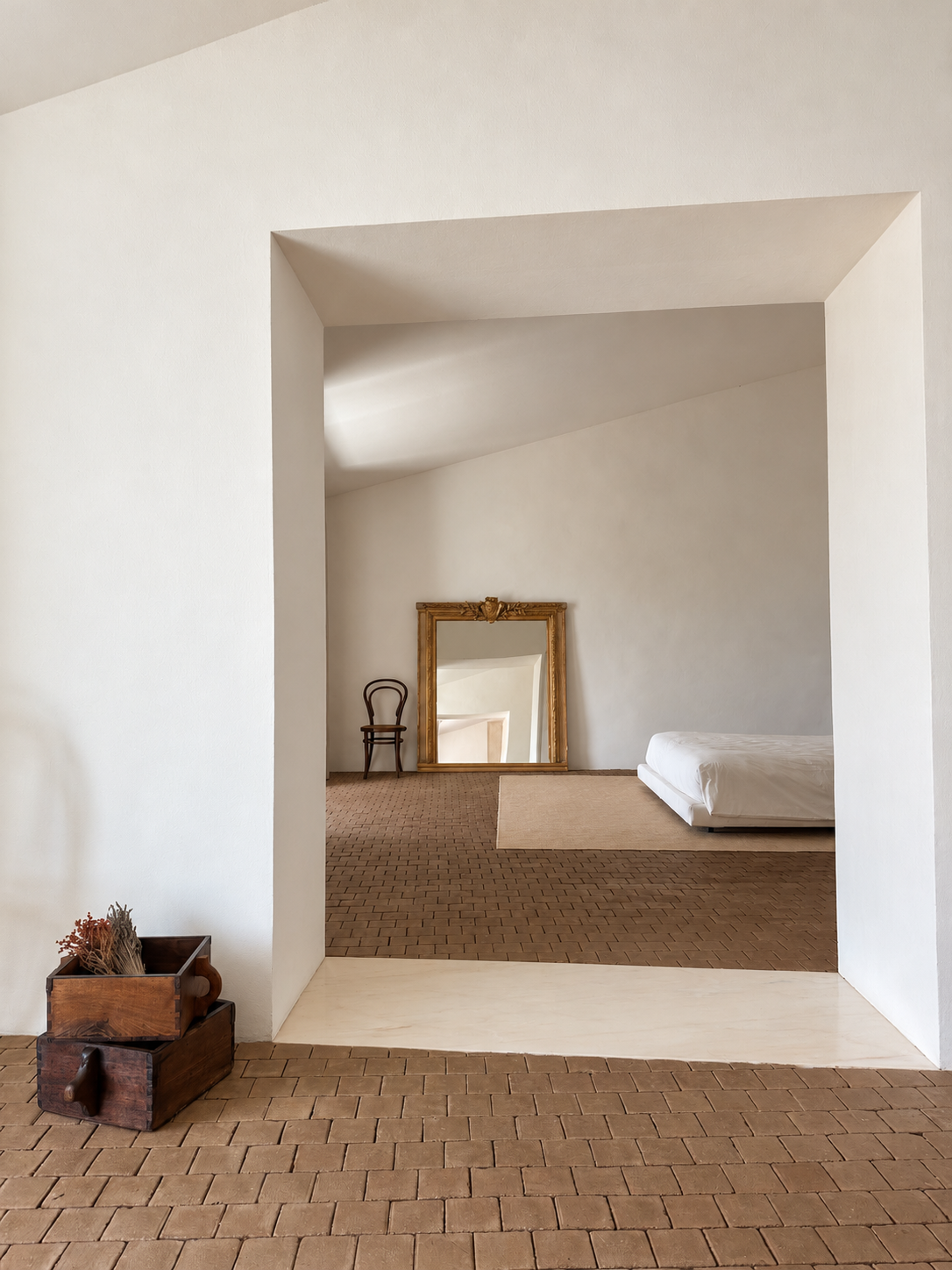
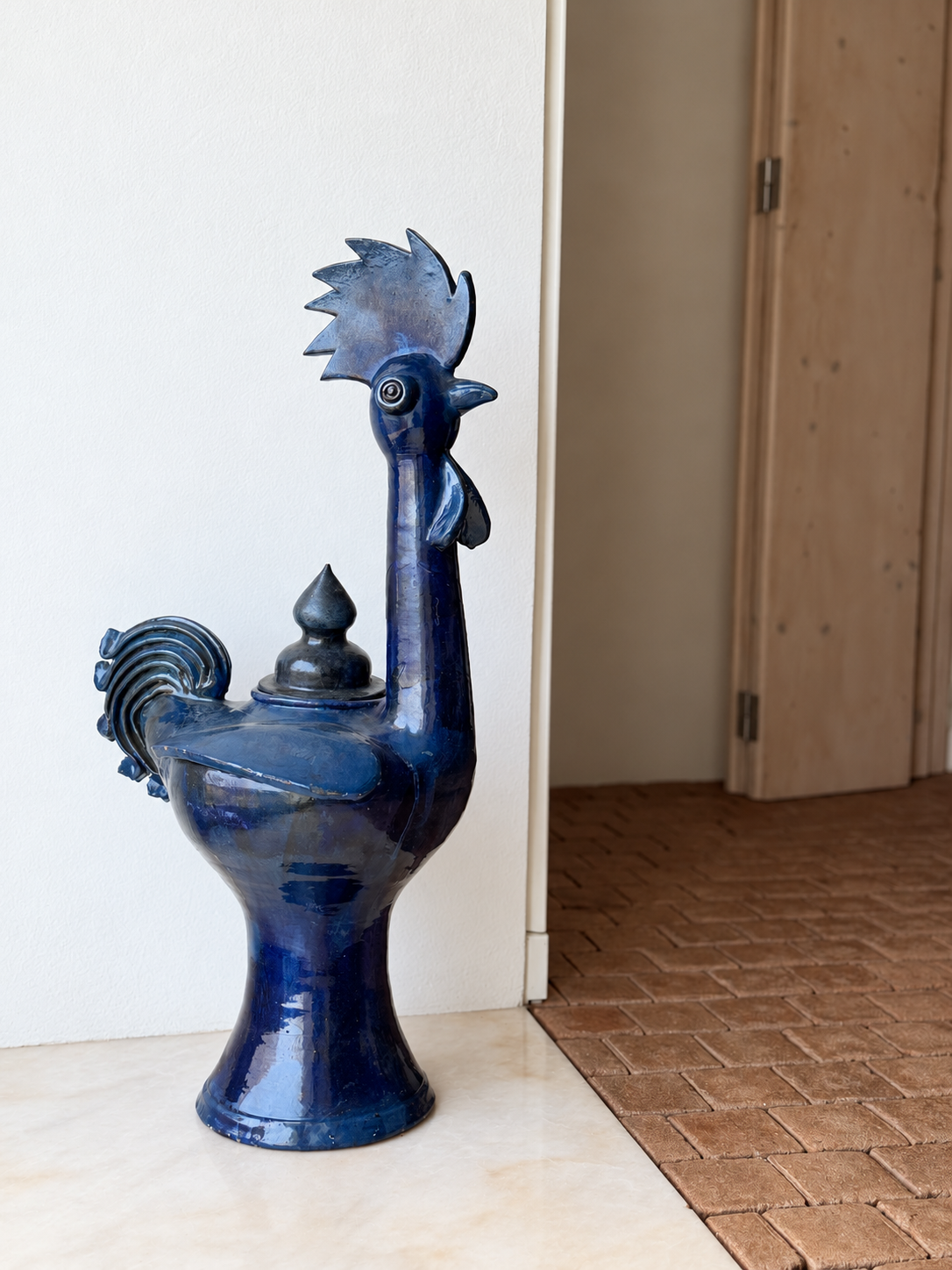
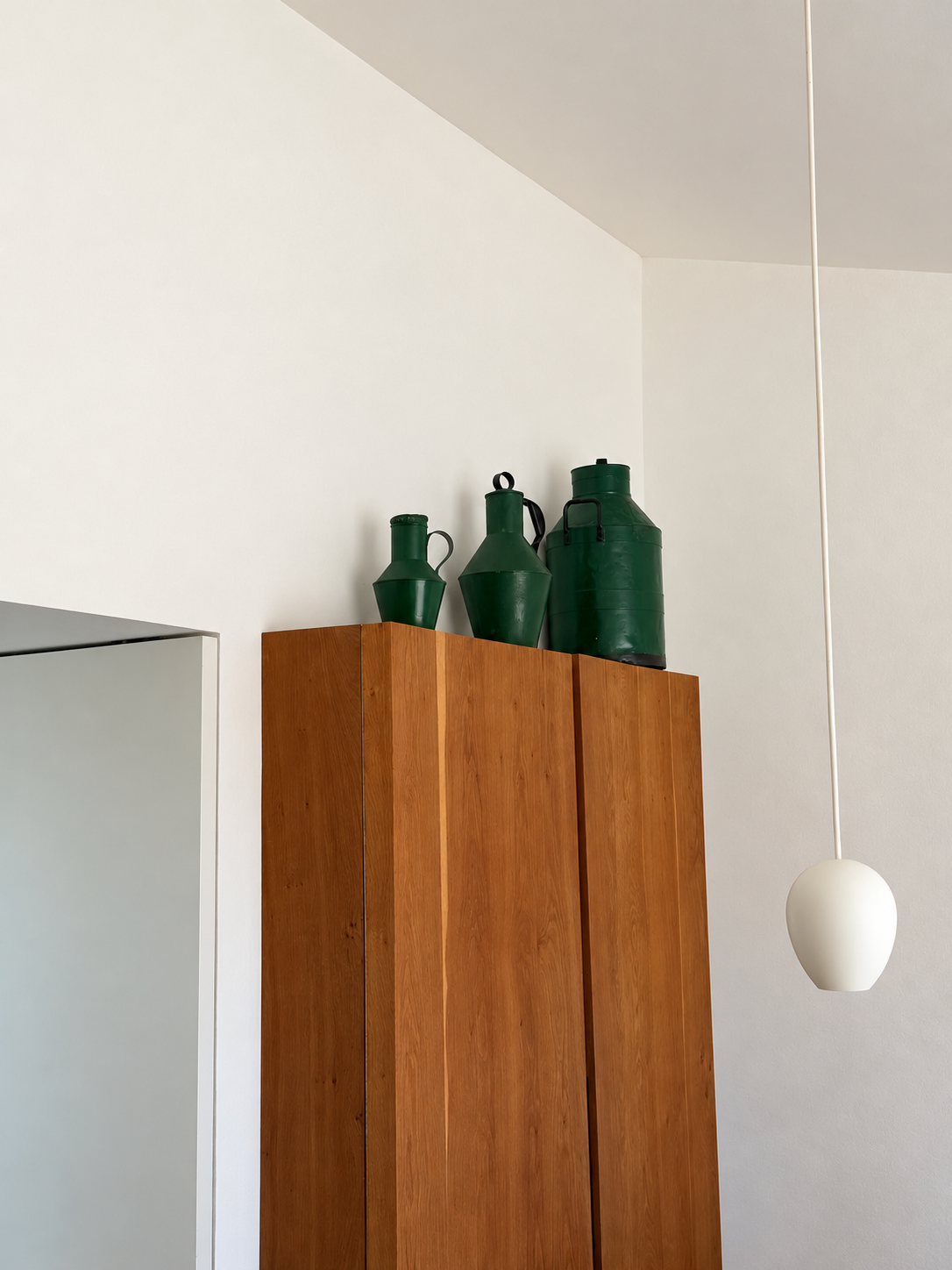
Working with what was already there, the renovation stripped the house back rather than adding to it. Local clay tiles run underfoot, while the white marble kitchen and simple wooden furniture continue the restrained palette. Large glass doors open the rooms towards the surrounding fields, making the landscape feel like part of the interior rather than something viewed from a distance.
That restraint shapes every part of the experience. Nothing competes for attention. The rooms feel calm and uncomplicated, with only what is needed and very little that seems to have been added simply for decoration.
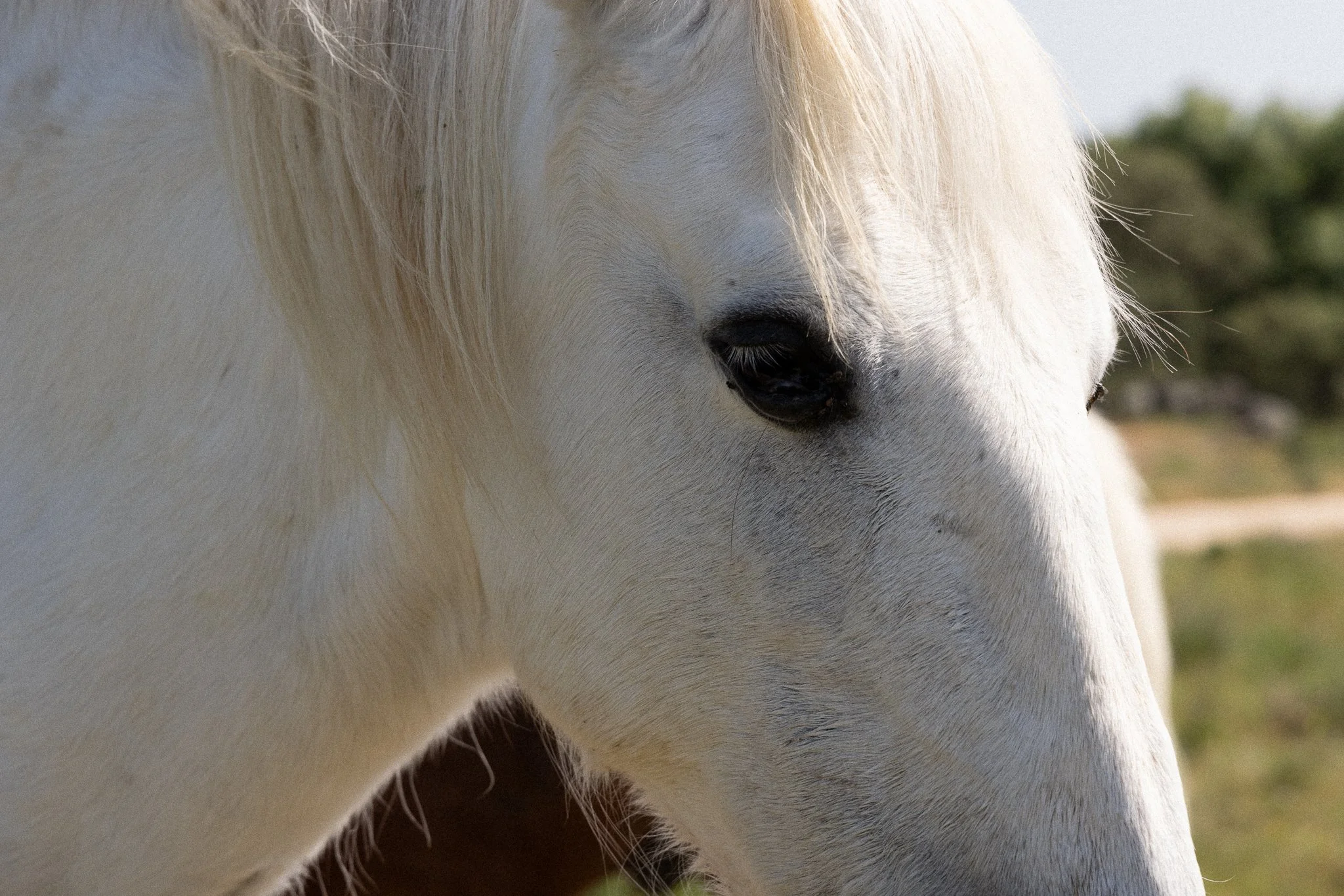
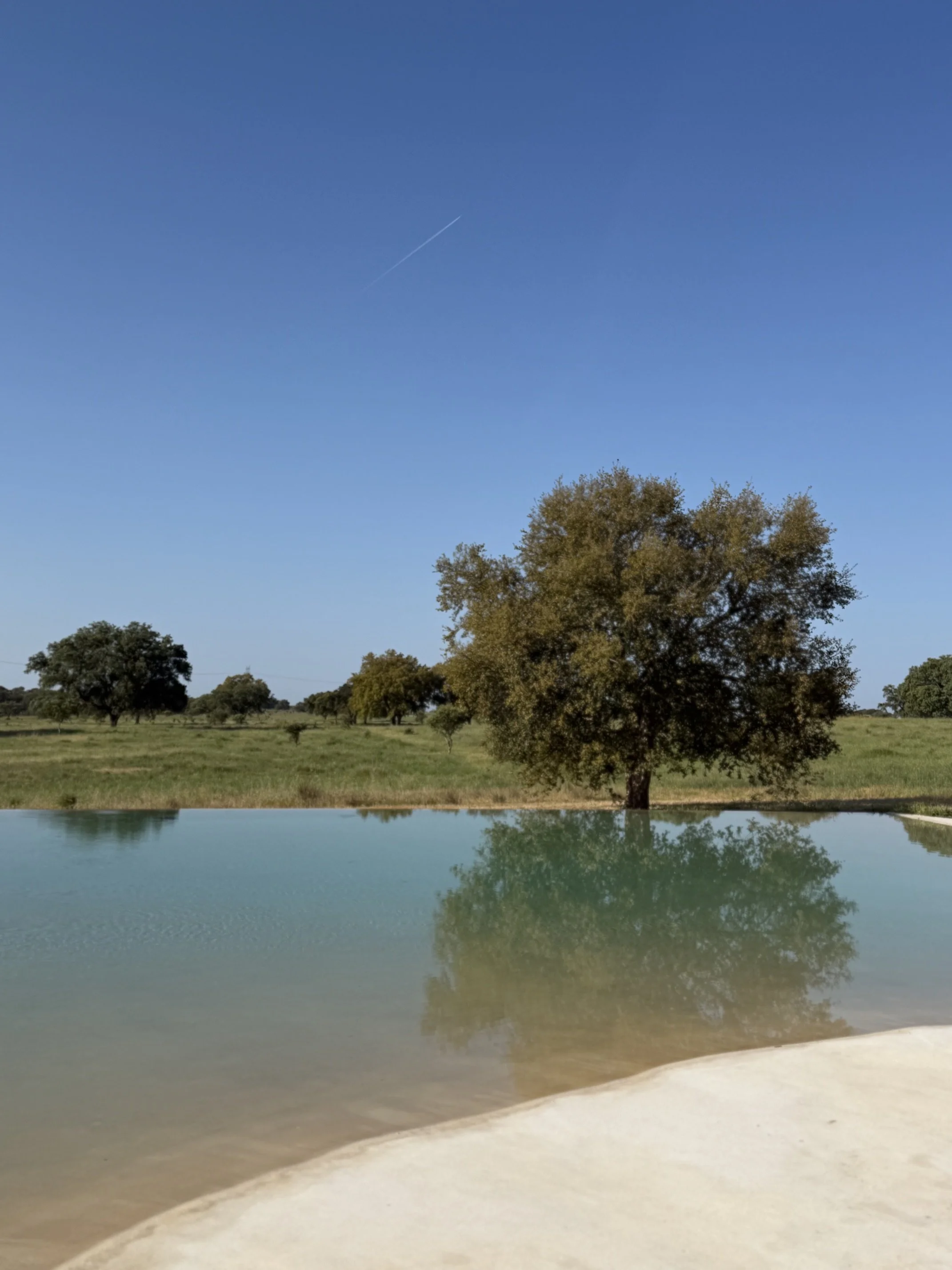
Across the fields opposite the house, horses graze quietly throughout the day. There is also a swimming pool with a gently sloping edge, designed to feel more like a natural shoreline than a conventional pool.
There is a sense that the house is meant to be lived in rather than simply looked at. A few books are left thoughtfully around the rooms, bicycles are there to be taken out across the estate, and an open fireplace sits quietly towards the end of the hallway. These details never feel staged; they simply make the house feel comfortable and inhabited.
Everything feels considered. Nothing feels overdesigned. There are no televisions, and as evening approaches, the soft lighting gently encourages guests to slow down, read, share a meal or simply sit together as daylight fades.
Nothing ever feels missing.
Instead, it feels as though the unnecessary has simply been removed.
Each morning begins around the long outdoor table where breakfast is prepared by two local women from the surrounding community, and served beneath the open sky whenever the weather allows.
Some of the produce comes directly from the estate’s small farm, where seasonal ingredients continue to shape the kitchen. Breakfast feels closely connected to the place itself. What appears on the table is simple and seasonal, and the fact that it is prepared each morning by women from the surrounding community gives it a personal quality that feels entirely in keeping with the house.
During our visit, we wandered through the rows of strawberries, picking berries straight from the farm. The connection between the house, the food and the surrounding landscape never feels forced.
It simply feels natural.
“There is a different sense of time in the Alentejo,” João told us earlier. “People don’t really set a time. They say, ‘I’ll come after lunch,’ or, ‘I’ll see you before the sun sets.’”
Spending time here, it’s easy to understand exactly what he means. Time passes almost unnoticed.
Breakfast stretches into long conversations. A walk across the estate can easily take up an afternoon, with no particular destination or reason to hurry back. There is very little sense that something else should be happening. The house never asks you to do anything. Instead, it leaves you with the time and space to decide for yourself.
That feeling isn’t created through luxury or elaborate service. It comes from a series of thoughtful decisions, each one reinforcing the next.
The absence of televisions.
The soft lighting that follows the natural rhythm of the day.
The architecture that opens towards the landscape rather than competing with it.
The breakfast prepared each morning feels just as personal as everything else at Casa no Tempo. Everything works together to shift your attention back to what is already there.
Silence. Space. Time.
Meals were never hurried, and there was a quiet sense that nothing needed to happen before it was ready. Days seemed to unfold without much attention to the clock — breakfast ending when the conversation did, afternoons taking shape as they went. It’s an increasingly rare feeling, and one that stays with you.
Perhaps that is what Casa no Tempo offers more than anything else. Not an escape from everyday life. But a gentle reminder that it doesn’t always have to move so quickly.
As we leave the house, we find ourselves thinking back to something João said earlier.
“Our aim at Silent Living is this: How can we touch people’s lives during their stay? How can we leave a seed in their lives once they leave?”
After spending time here, it feels less like a philosophy and more like something quietly woven into every part of the experience.